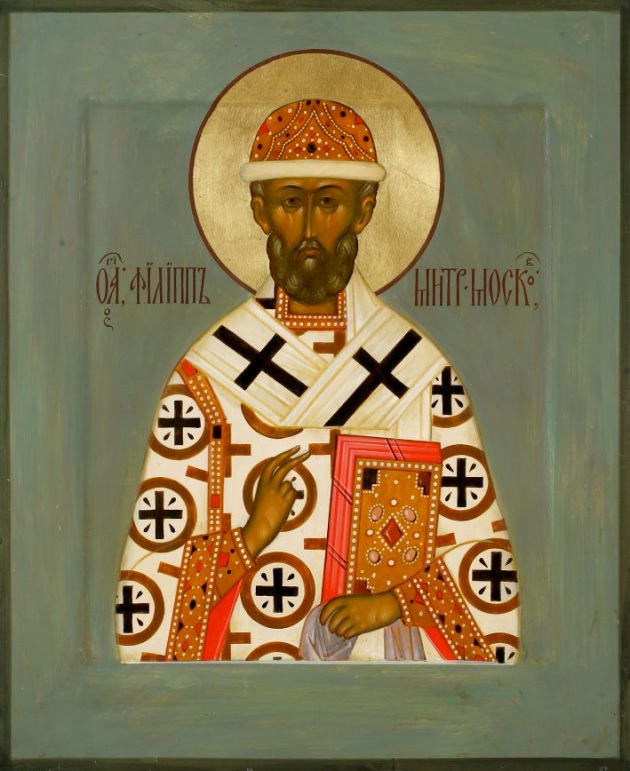
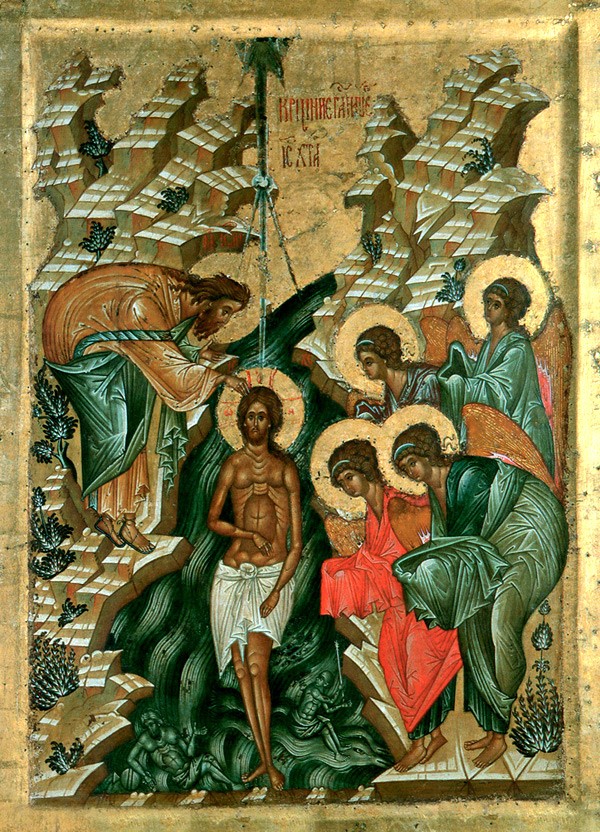
The Advent Journey With the Saints: St Nicholas the Wonderworker

Sunday December 6/19: St Nicholas the WonderworkerThe truth of things hath revealed thee to thy flock as a rule of faith, an icon of meekness, and a teacher of temperance; for this cause, thou hast achieved the heights by humility, riches by poverty. O Father and Hierarch Nicholas, intercede with Christ God that our souls be saved.’

So reads the troparion of St Nicholas, hierarch of the Church of Myra in Lycia (now Demra in Turkey), known as ‘wonderworker’ and ‘father’ throughout the Christian world. He is beloved in the Orthodox Church, and indeed far beyond, for his kindness, almsgiving and aid, meted out both during his earthly life and after. As one of the multitude of English lives of the saint joyously proclaims, ‘he is one of the best known and best loved saints of all time.’ And in another: ‘The name of the great saint of God, the hierarch and wonderworker Nicholas, a speedy helper and suppliant for all hastening to him, is famed in every corner of the earth, in many lands and among many peoples. In Russia there are a multitude of cathedrals, monasteries and churches consecrated in his name. There is, perhaps, not a single city without a church dedicated to his honour.’Childhood and early life

St Nicholas was born (c. 270) in the the region of Lycia (southern Asia Minor), in the city of Patara. His parents, Theophanes and Nonna, were both pious Christians, and being childless until his arrival, consecrated Nicholas to God at his birth (the name Nicholas meaning ‘Conqueror of nations’). His birth considered by both an answer to their prayer, and especially the prayer issued during Nonna’s illness, his mother was said to have been healed immediately after giving birth. Nicholas would always remember his parents’ love and devotion to God, and in his later years promised to come to the aid of those who remembered them in their prayers.

Various traditions recount signs of Nicholas’ future glory as ‘wonderworker’ (Gr. thaumatourgos), apparent already in his earliest childhood. One recalls that as an infant in the baptismal font, Nicholas stood on his feet for three hours in honour of the Trinity. Another proclaims him a childhood faster, not accepting milk from his mother until after the conclusion of evening prayers on Wednesdays and Fridays.

His later life revealed that Nicholas had from a young age been absorbed in the study of the Church’s sacred scriptures. He thrived on reading divine texts, and earned a reputation as a devoted youth who often would not leave the church, reading the sacred texts late into the night.

Such activity soon came to the attention of the local bishop, Nicholas’ uncle (his father’s brother), also called Nicholas. Seeing his nephew’s fervour for the Christian life, this elder Bishop Nicholas of Patara tonsured him reader, and later ordained him priest. At Fr Nicholas’ ordination, the elder Bishop Nicholas remarked:

‘I see, brethren, a new sun rising above the earth and manifesting in himself a gracious consolation for the afflicted. Blessed is the flock that will be worthy to have him as its pastor, because this one will shepherd well the souls of those who have gone astray, will nourish them on the pasturage of piety, and will be a merciful helper in misfortune and tribulation.’

The newly-ordained Fr Nicholas’ special charge as assistant to the bishop of Patara was the instruction of the faithful—a unique and uncommon role, given his young age.

The ministry of Fr Nicholas

Nicholas approached his duties as priest and teacher of the faith with the same fervour his uncle had witnessed in him during his childhood. Despite his youthfulness, many of the faithful considered him an elder, and his ability to respond to questions of the faith in love and wisdom earned him the deep respect of those in the city. He was noted in particular for the fervency of his prayer and kind-hearted nature, and the attention to charitable work that characterised his priestly ministry. Following the injunction of Christ, Fr Nicholas sold his possessions and, following his parents deaths a few years after his ordination, distributed his inheritance to the poor and afflicted, who would often seek him out for assistance.

In one of his most well-known acts of selflessness as a young priest, Fr Nicholas reacted to the intention of a wealthy businessman of Patara who had fallen on hard times and lost his fortune. Desparate, the man had determined to sell the bodies of his three daughters in order to raise funds for the family. Hearing of the plan (in some accounts, through a divine revelation), Fr Nicholas called by his home in secret during the night and threw an offering of gold—three hundred coins wrapped in a handkercheif[1]—through the man’s window. Convinced of the goodness of the gesture, though unaware of the identity of his benefactor, the man used the funds to arrange for his eldest daughter to be married honourably to a nobleman. Later the man arose to find the act had been repeated; and eventually, a third time. In each instance, the priest made his offering secretly, attempting to conceal his works of charity.[2]

Pilgrimage to the Holy Land

Following the example of his bishop, who had made a pilgrimage to the Holy Land a few months before, Fr Nicholas requested to travel to Jerusalem himself, to visit the holy places of the city. Icons today continue to recount the miraculous nature of his voyage there by ship, during which a great storm arose (Nicholas having earlier predicted that it would). Seeing in a vision the devil climbing aboard the ship, Nicholas warned the crew and prayed for the salvation of the craft and its occupants, and the sea shortly calmed.

Arriving in the Holy Land, Nicholas made his pilgrimage of the holy places in Jerusalem, especially Golgotha where Christ was crucified.[3] Overcome by the reality of these places where the incarnate Son of the Father had walked and acted, Nicholas determined to retreat into the desert to live a life of solitude. But he was stopped by a divine voice, which forbad this course and urged him to return home. This he did, though still longing for quiet and the solitary life. Having been moved by his experiences on Mount Sion in Jerusalem, he entered the monastic community of Holy Sion in Lycia (which had earlier been founded by his uncle); but again, the Lord made known to him that this was not to be his path. The voice of the Lord is said to have come to him: ‘Nicholas, if you desire to be vouchsafed a crown from me, go and struggle for the good of the world. This [monastery] is not the vineyard in which you shall bring forth the fruit I expect of you; but turn back, go into the world, and let my Name be glorified in you.'[4]

Desirous above all to follow the command of God, Nicholas departed the brotherhood of Holy Sion and moved to Myra.

Consecration to the episcopate

Shortly after his arrival in Myra, the elder Archbishop of that city, a certain John, died. There was some discussion as to who should succeed him as the chief bishop of the region, the local synod of bishops desirous that the new archbishop should not be an individual chosen by men for the office, but one revealed by God. One of their eldest number beheld a vision of the illumined Christ, who indicated that the old bishop should go into the church, for the one who was first to enter it that night—who would be called Nicholas—was he who should become the new archbishop.

The elder bishop went to the church to await Nicholas’ arrival, in obedience to the vision. When Fr Nicholas arrived, the bishop stopped him.

God’s chosen one replied, ‘My name is Nicholas, Master, and I am your servant.’

The bishop took St Nicholas immediately to the other bishops and exclaimed, ‘Brethren, receive your shepherd whom the Holy Spirit himself anointed and to whom he entrusted the care of your souls. He was not appointed by an assembly of men but by God himself. Now we have the one that we desired, and have found and accepted the one we sought. Under his rule and instruction we will not lack the hope that we will stand before God in the day of his appearing and revelation.'[5]

Nicholas was consecrated to the episcopacy during a tumultuous time in the life of the Church in Lycia. The persecutions under the emperor Diocletian (284-305) effected that region deeply, and for a time, Bishop Nicholas was imprisoned with other Christians for refusing to bow down and worship the idols of the imperial cult. He was remembered later for the exhortations he delivered to his fellow prisoners, urging them to endure with joy all that the Lord lay before them, whether chains, bonds, torture or even death.

Bishop Nicholas’ imprisonment came to an end with the ascension of Constantine to the throne in the early fourth century. He returned to his flock in Myra, which received him with joy, and resumed his episcopal work. He was known as a great ascetic, as he had been since his childhood, and for his gentleness and love. But his kind-hearted spirit was also one of zeal, and with the new freedoms offered under the peace of Constantine (following the ‘Edict of Milan’ in 312), he was known to travel through his city, visiting pagan temples and overthrowing their shrines and idols.

The First Ecumenical Council, Nicaea 325

In the year 325, a great council of bishops—the largest in the history of the Church—was held in the city of Nicaea under the patronage of Emperor Constantine, who had, since his miraculous vision of the cross at Milvian bridge, himself converted to Christianity. This synod, which in later years would come to be known as the First Ecumenical Council (commemorated on the seventh Sunday after Pascha), was attended by over three hundred bishops from throughout the Christian world, to establish various canons of order for the growing Church, affirm the faith, and combat heresy. In particular, the teachings of Arius, a presbyter in Alexandria, were addressed and condemned by the council, which formulated a statement of faith that, with later refinements at Constantinople in 381, became the Creed of the Church.

St Nicholas was a participant at this council, and is particularly remembered for his zeal against Arius. Having openly combatted him with words, Bishop Nicholas, in a fit of fervour (some accounts indicate he was displeased with Arius’ monopolisation of the meeting with his ‘constant arguing’), went so far as to strike Arius on the face. Shocked by this behaviour, especially given that the canons forbid clergy from striking any one at all, yet uncertain of how to react to such actions by a hierarch they knew and respected, the fathers of the council determined to deprive Nicholas of his episcopal emblems (traditionally his omophorion and the Gospel book), and placed him under guard. However, a short time later, several of the assembled fathers reported having a common vision: the Lord and His Mother returning to Nicholas his episcopal items, instructing that he was not to be punished, for he had acted ‘not out of passion, but extreme love and piety’.[6] This was taken as a sign that the extreme behaviour of Nicholas was nonetheless pleasing to God, who was thus restored to the fulness of his episcopal office. [7]

Nicholas the Wonderworker

St Nicholas’ title ‘wonderworker’ comes from the multitude of reports of miracles that issued forth at his intercession, both during his life and after. The renown of his miraculous acts was widespread in his own lifetime. As he had secretly delivered gold, many years before, to the father of three destitute daughters, so he secretly delivered gold to an Italian merchent (by some accounts, this gold was left miraculously by an apparition of the saint appearing to the merchant in Italy), convincing him to sail to Myra with a shipment of grain. And so by his prayers and deeds, his city of Myra was rescued from a terrible famine.

One miracle, particularly widely known, was Bishop Nicholas’ conversion of the local governor, who had been bribed into unjustly condeming three men to death. The saint approached the executioner, who had already raised his sword to issue the death-blow, and swiftly removed it from his hands. He then approached the governor and denounced his unjust action. This latter, convicted by St Nicholas’ words, repented and asked the saint’s forgiveness. This episode is remembered as connected directly to another: for three officers of the imperial military were present to see St Nicholas stay this execution, who were later slanderously accused before the emperor, who condemned them to death. St Nicholas appeared to Emperor Constantine in a dream and urged him to reverse this sentence, which the emperor did.

Many times, the saint’s prayers were said to have saved those drowning in the sea (just a his prayers had calmed the sea on his own journey, as a young priest, to Jerusalem). Prisoners unjustly condemned prayed to him and were delivered. The poor prayed to him and were provided for. And so Nicholas’ reputation as thaumatourgos was established during his life. It continues to this day.

The saint’s departure

Living his life in ascetic labour and zealous ministry, St Nicholas fell asleep in the Lord at an old age (d. 6th December 343), by some accounts quite ill. A church was built in his honour by the residents of Myra, in which his relics were kept for many centuries.

Alexei Cominos ascended the throne of the Byzantine Empire in 1081, in which year Asia Minor suffered various attacks and threats of barbarian invasion. St Nicholas’ relics at this time remained in his city of Myra. However, a priest in the Italian city of Bari soon beheld a vision in which Nicholas appeared and informed him that he did not wish to remain in a city as barren as the defeated Myra. He instructed the priest to remove his body from the city. After informing the residents of Bari of his vision, three ships were sent to Myra to retrieve the saint’s relics.

On their arrival in the city in 1087, the travellers from Bari found the Church of St Nicholas in Myra abandoned, save for the presence of four devoted monks. These led the men to the coffin of the saint, which they had hid to keep it safe from invaders. On opening the coffin, the men found St Nicholas’ relics flowing with myrrh which they collected in vials, before securing the coffin and placing it on one of the ships for the return voyage to Bari, accompanied by two of the Myran monks.

Some time later, the ships arrived in Bari, and were met at the port by throngs of the local faithful. A great festal Liturgy was held in in the Church of St John the Forerunner and Baptist, to which the saint’s relics were taken in procession. Craftsmen had fashioned an ornate silver box, into which St Nicholas’ head and hands were placed, while the remainder of his relics remained in their original coffin from Myra.

A short time later, a large church was built and dedicated to St Nicholas, and the two boxes containing his relics were transferred to it from the Church of St John, where they remain to this day (this event is commemorated on 20th May / 2nd June).[8] Chrism continues to flow from the saint’s relics, as it has for centuries.

Source: Parish of St. Nicholas the Wonderworker,
Oxford, England  5/21/2012

AKATHIST

Kontakion 1: O champion wonderworker and superb servant of Christ, thou who pourest out for all the world the most precious myrrh of mercy and an inexhaustible sea of miracles, I praise thee with love, O Saint Nicholas; and as thou art one having boldness toward the Lord, from all dangers do thou deliver us, that we may cry to thee: Rejoice, O Nicholas, Great Wonderworker!

Ekos 1: An angel in manner though earthly by nature did the Creator reveal thee to be; for, foreseeing the fruitful beauty of thy soul, O most blessed Nicholas, He taught all to cry to thee thus:

Rejoice, thou who wast purified from thy mother’s womb!
Rejoice, thou who wast sanctified even unto the end!
Rejoice, thou who didst amaze thy parents by thy birth!
Rejoice, thou who didst manifest power of soul straightway after birth!
Rejoice, plant of the land of promise!
Rejoice, flower of divine planting!
Rejoice, virtuous vine of Christ’s vineyard!
Rejoice, wonderworking tree of the paradise of Jesus!
Rejoice, lily of paradisaical growth!
Rejoice, myrrh of the fragrance of Christ!
Rejoice, for through thee lamentation is banished!
Rejoice, for through thee rejoicing is brought to pass!
Rejoice, O Nicholas, Great Wonderworker!

Kontakion 2: Seeing the effusion of thy myrrh, O divinely wise one, our souls and bodies are enlightened, understanding thee to be a wonderful, living source of unction, O Nicholas; for with miracles like waters poured out through the grace of God thou fillest them that faithfully cry unto God: Alleluia!

Ekos 2: Teaching incomprehensible knowledge about the Holy Trinity, thou wast with the holy fathers in Nicea a champion of the confession of the Orthodox Faith; for thou didst confess the Son equal to the Father, co-everlasting and co-enthroned, and thou didst convict the foolish Arius. Therefore the faithful have learned to sing to thee:

Rejoice, great pillar of piety!
Rejoice, city of refuge for the faithful!
Rejoice, firm stronghold of Orthodoxy!
Rejoice, venerable vessel and praise of the Holy Trinity!
Rejoice, thou who didst preach the Son of equal honour with the Father!
Rejoice, thou who didst expel the demonized Arius from the council of the saints!
Rejoice, father, glorious beauty of the fathers!
Rejoice, wise goodness of all the divinely wise!
Rejoice, thou who utterest fiery words!
Rejoice, thou who guidest so well thy flock!
Rejoice, for through thee faith is strengthened!
Rejoice, for through thee heresy is overthrown!
Rejoice, O Nicholas, Great Wonderworker!

Kontakion 3: Through power given thee from on high, thou didst wipe away every tear from the face of those in cruel suffering, O God-bearing Father Nicholas; for thou wast shown to be a feeder of the hungry, a superb pilot of those on the high seas, a healer of the ailing, and thou hast proved to be a helper to all that cry unto God: Alleluia!

Ekos 3: Truly, Father Nicholas, a song should be sung to thee from heaven, and not from earth; for how can a mere man proclaim the greatness of thy holiness? But we, conquered by thy love, cry unto thee thus:

Rejoice, model of lambs and shepherds!
Rejoice, holy purification of morals!
Rejoice, container of great virtues!
Rejoice, pure and honorable abode of holiness!
Rejoice, all-luminous lamp, beloved by all!
Rejoice, light golden-rayed and blameless!
Rejoice, worthy converser with angels!
Rejoice, good guide of men!
Rejoice, pious rule of faith!
Rejoice, model of spiritual meekness!
Rejoice, for through thee we are delivered from bodily passions!
Rejoice, for through thee we are filled with spiritual delights!
Rejoice, O Nicholas, Great Wonderworker!

Kontakion 4: A storm of bewilderment confuseth our minds: How can we worthily hymn thy wonders, O blessed Nicholas? For no one could count them, even though he had many tongues and willed to tell them; but we make bold to sing to God Who is wonderfully glorified in thee: Alleluia!

Ekos 4: People near and far heard of the greatness of thy miracles, O divinely-wise Nicholas, for in the air with the delicate wings of grace thou art accustomed to forestall those in misfortune, quickly delivering all who cry to thee thus:

Rejoice, deliverance from sorrow!
Rejoice, channel of grace!
Rejoice, dispeller of unexpected evils!
Rejoice, planter of good desires!
Rejoice, quick comforter of those in misfortune!
Rejoice, dread punisher of wrongdoers!
Rejoice, abyss of miracles poured out by God!
Rejoice, tablets of the law of Christ written by God!
Rejoice, strong uplifting of the fallen!
Rejoice, support of them that stand aright!
Rejoice, for through thee all deception is exposed!
Rejoice, for through thee all truth is realized!
Rejoice, O Nicholas, Great Wonderworker!

Kontakion 5: Thou didst appear as a divinely-moving star, guiding those who sailed upon the cruel sea who were once threatened with imminent death, if thou hadst not come to the help of those who called upon thee, O wonderworking Saint Nicholas; for, having forbidden the flying demons who shamelessly wanted to sink the ship, thou didst drive them away, and didst teach the faithful whom God saveth through thee to cry: Alleluia!

Ekos 5: The maidens, prepared for a dishonourable marriage because of their poverty, saw thy great compassion to the poor, O most-blessed Father Nicholas, when by night thou secretly gavest their aged father three bundles of gold, hereby saving him and his daughters from falling into sin. Wherefore, thou hearest from all thus:
Rejoice, treasury of greatest mercy!

Rejoice, depository of provision for people!
Rejoice, food and consolation of those that flee unto thee!
Rejoice, inexhaustible bread of the hungry!
Rejoice, God-given wealth of those living in poverty on earth!
Rejoice, speedy uplifting of paupers!
Rejoice, quick hearing of the needy!
Rejoice, acceptable care of the sorrowful!
Rejoice, blameless provider for the three maidens!
Rejoice, fervent guardian of purity!
Rejoice, hope of the hopeless!
Rejoice, delight of all the world!
Rejoice, O Nicholas, Great Wonderworker!

Kontakion 6: The whole world proclaimeth thee, O most blessed Nicholas, as a quick intercessor in adversities; for, oftentimes preceding those that travel by land and sail upon the sea, thou helpest them in a single hour, at the same time keeping from evils all that cry unto God: Alleluia!

Ekos 6: Thou didst shine as a living light, bringing deliverance to the generals who received sentence to an unjust death, who called upon thee, O good shepherd Nicholas, when thou didst quickly appear in a dream to the emperor, and didst terrify him and didst order him to release them unharmed. Therefore, together with them we also gratefully cry unto thee:

Rejoice, thou who helpest them that fervently call upon thee!
Rejoice, thou who deliverest from unjust death!
Rejoice, thou who preservest from false accusation!
Rejoice, thou who destroyest the counsels of the unrighteous!
Rejoice, thou who tearest lies to shreds like cobwebs!
Rejoice, thou who gloriously exaltest truth!
Rejoice, release of the innocent from their fetters!
Rejoice, revival of the dead!
Rejoice, revealer of righteousness!
Rejoice, exposer of unrighteousness!
Rejoice, for through thee the innocent were saved from the sword!
Rejoice, for through thee they enjoyed the light!
Rejoice, O Nicholas, Great Wonderworker!

Kontakion 7: Desiring to dispel the blasphemous stench of heresy, thou didst appear as a truly fragrant, mystical myrrh, O Nicholas; by shepherding the people of Myra, thou hast filled the whole world with thy gracious myrrh. And so, dispel from us the stench of abominable sin, that we may acceptably cry unto God: Alleluia!

Ekos 7: We understand thee to be a new Noah, a guide of the ark of salvation, O Holy Father Nicholas, who drivest away the storm of all evils by thy direction, and bringest divine calm to those that cry thus:

Rejoice, calm harbour of the storm-tossed!
Rejoice, sure preservation of those that are drowning!
Rejoice, good pilot of those that sail upon the deeps!
Rejoice, thou who rulest the raging of the sea!
Rejoice, guidance of those in whirlwinds!
Rejoice, warmth of those in frosts!
Rejoice, radiance that dispellest the gloom of sorrow!
Rejoice, light that illuminest all the ends of the earth!
Rejoice, thou who deliverest people from the abyss of sin!
Rejoice, thou who castest Satan into the abyss of Hades!
Rejoice, for through thee we boldly invoke the abyss of God’s compassion!
Rejoice, for as ones rescued through thee from the flood of wrath, we find peace with God!
Rejoice, O Nicholas, Great Wonderworker!

Kontakion 8: A strange wonder is thy sacred church shown to be to those that flock to thee, O blessed Nicholas; for, by offering in it even a small supplication, we receive healing from great illnesses, if only, after God, we place our hope in thee, faithfully crying aloud: Alleluia!

Ekos 8: Thou art truly a helper to all, O God-bearing Nicholas, and thou hast gathered together all that flee unto thee, for thou art a deliverer, a nourisher, and a quick healer to all on earth, moving all to cry out in praise to thee thus:

Rejoice, source of all kinds of healing!
Rejoice, helper of those that suffer cruelly!
Rejoice, dawn shining for prodigals in the night of sin!
Rejoice, heaven-sent dew for those in the heat of labours!
Rejoice, thou who givest prosperity to those that need it!
Rejoice, thou who preparest an abundance for those that ask!
Rejoice, thou who often forestallest requests!
Rejoice, thou who restorest strength to the aged and gray-headed!
Rejoice, convicter of many who have strayed from the true way!
Rejoice, faithful steward of the mysteries of God!
Rejoice, for through thee we conquer envy!
Rejoice, for through thee we lead a moral life!
Rejoice, O Nicholas, Great Wonderworker!

Kontakion 9: Assuage all our pains, O Nicholas, our great intercessor, dispensing gracious healings, delighting our souls, and gladdening the hearts of all that fervently hasten to thee for help and cry unto God: Alleluia!

Ekos 9: The falsely theorizing orators of the ungodly, we see, were put to shame by thee, O divinely-wise Father Nicholas; for thou didst confute Arius the blasphemer who divided the Godhead, and Sabellius who mingled the persons of the Holy Trinity, but thou hast strengthened us in Orthodoxy. Therefore, we cry unto thee thus:

Rejoice, shield that defendest piety!
Rejoice, sword that cuttest down impiety!
Rejoice, teacher of the divine commandments!
Rejoice, destroyer of impious doctrines!
Rejoice, ladder set up by God, by which we mount to heaven!
Rejoice, God-given protection, by which many are sheltered!
Rejoice, thou who makest wise the unwise by thy sayings!
Rejoice, thou who movest the slothful by thine example!
Rejoice, inextinguishable brightness of God’s commandments!
Rejoice, most luminous ray of the Lord’s statutes!
Rejoice, for through thy teaching the heads of heretics are broken!
Rejoice, for through thee the faithful are counted worthy of glory!
Rejoice, O Nicholas, Great Wonderworker!

Kontakion 10
: Desiring to save thy soul, thou didst truly subject thy body to the spirit, O our Father Nicholas; for by silence first and by wrestling with thoughts, thou didst add contemplation to activity, and by contemplation thou didst acquire perfect knowledge with which thou didst boldly converse with God and angels, always crying: Alleluia!

Ekos 10: Thou art a rampart, O most-blessed one, to those that praise thy miracles, and to all that have recourse to thine intercession; wherefore, free also us who are poor in virtue from poverty, temptations, illness, and needs of various kinds, as we cry unto thee thus:

Rejoice, thou who rescuest from eternal wretchedness!
Rejoice, thou who bestowest incorruptible riches!
Rejoice, imperishable food for those that hunger after righteousness!
Rejoice, inexhaustible drink for those that thirst for life!
Rejoice, thou who preservest from revolution and war!
Rejoice, thou who freest us from chains and imprisonment!
Rejoice, most-glorious intercessor in misfortunes!
Rejoice, great defender in temptations!
Rejoice, thou who hast snatched many from destruction!
Rejoice, thou who hast kept countless numbers unharmed!
Rejoice, for through thee sinners escape a frightful death!
Rejoice, for through thee those that repent obtain eternal life!
Rejoice, O Nicholas, Great Wonderworker!

Kontakion 11: A song to the Most Holy Trinity didst thou bring, surpassing others in thought, word, and deed, O most-blessed Nicholas; for with much searching thou didst explain the precepts of the true Faith, guiding us to sing with faith, hope, and love to the one God in Trinity: Alleluia!

Ekos 11: We see thee as a brilliant and inextinguishable ray for those in the darkness of this life, O God-chosen Father Nicholas; for with the immaterial angelic lights thou conversest concerning the uncreated Light of the Trinity, and thou enlightenest the souls of the faithful who cry unto thee thus:

Rejoice, radiance of the Three-sunned Light!
Rejoice, daystar of the unsetting Sun!
Rejoice, lamp kindled by the Divine Flame!
Rejoice, for thou hast quenched the demonic flame of impiety!
Rejoice, bright preaching of the Orthodox Faith!
Rejoice, luminous radiance of the light of the Gospel!
Rejoice, lightning that consumest heresy!
Rejoice, thunder that terrifiest tempters!
Rejoice, teacher of true knowledge!
Rejoice, revealer of the secret mind!
Rejoice, for through thee the worship of creatures hath been abolished!
Rejoice, for through thee we have learned to worship the Creator in the Trinity!
Rejoice, O Nicholas, Great Wonderworker!

Kontakion 12: Knowing the grace that hath been given thee by God, dutifully and joyfully we celebrate thy memory, O most-glorious Father Nicholas, and with all fervency we hasten to thy wonderful intercession; unable to count thy glorious deeds which are like the sands of the seashore and the multitude of the stars, being at a loss to understand, we cry unto God: Alleluia!

Ekos 12: While we sing of thy wonders, we praise thee, O all-praised Nicholas; for in thee God Who is glorified in the Trinity is wondrously glorified. But even if we were to offer thee a multitude of psalms and hymns composed from the soul, O holy wonderworker, we should do nothing to equal the gift of thy miracles, and amazed by them we cry unto thee thus:

Rejoice, servant of the King of kings and Lord of lords!
Rejoice, co-dweller with His heavenly servants!
Rejoice, support of faithful kings!
Rejoice, exaltation of the race of Christians!
Rejoice, namesake of victory!
Rejoice, eminent victor!
Rejoice, mirror of all the virtues!
Rejoice, strong buttress of all who flee unto thee!
Rejoice, after God and the Theotokos, all our hope!
Rejoice, health of our bodies and salvation of our souls!
Rejoice, for through thee we are delivered from eternal death!
Rejoice, for through thee we are deemed worthy of endless life!
Rejoice, O Nicholas, Great Wonderworker!

Kontakion 13: O most-holy and most-wonderful Father Nicholas, consolation of all that sorrow, accept our present offering, and entreat the Lord that we be delivered from Gehenna through thy God-pleasing intercession, that with thee we may sing: Alleluia!

Ekos 1: An angel in manner though earthly by nature did the Creator reveal thee to be; for, foreseeing the fruitful beauty of thy soul, O most blessed Nicholas, He taught all to cry to thee thus:

Rejoice, thou who wast purified from thy mother’s womb!
Rejoice, thou who wast sanctified even unto the end!
Rejoice, thou who didst amaze thy parents by thy birth!
Rejoice, thou who didst manifest power of soul straightway after birth!
Rejoice, plant of the land of promise!
Rejoice, flower of divine planting!
Rejoice, virtuous vine of Christ’s vineyard!
Rejoice, wonderworking tree of the paradise of Jesus!
Rejoice, lily of paradisaical growth!
Rejoice, myrrh of the fragrance of Christ!
Rejoice, for through thee lamentation is banished!
Rejoice, for through thee rejoicing is brought to pass!
Rejoice, O Nicholas, Great Wonderworker!

Kontakion 1: O champion wonderworker and superb servant of Christ, thou who pourest out for all the world the most precious myrrh of mercy and an inexhaustible sea of miracles, I praise thee with love, O Saint Nicholas; and as thou art one having boldness toward the Lord, from all dangers do thou deliver us, that we may cry to thee: Rejoice, O Nicholas, Great Wonderworker!

Hierarch and father, O most holy Nicholas, thou extraordinary Saint of the Lord, our loving defender and ready helper in sorrows everywhere: help us sinners and hapless ones in the present life: entreat the Lord God to grant us remission of all of our sins, that we have committed from our youth and all our life, by deed, word, though and all our senses; and in the passing of our souls, help us wretched ones; entreat the Lord God and Maker of all creation, to deliver us from trials in the air and eternal torment: that we may always glorify the Father, and the Son, and the Holy Spirit, and thy merciful intercession, now and ever, and unto ages of ages. Amen.

O most good father Nicholas, pastor and teacher of all who in faith call upon thy protection and warm prayer, make haste to deliver Christ’s flock from the wolves that attack it; and guard every Christian land, and keep it by thy holy prayers from worldly unrest, upheaval, the assault of enemies and civil strife; from famine, flood, fire, the axe and sudden mortality. And as thou didst take pity on the three men who were imprisoned, and didst deliver them from royal anger and death by the sword, so have mercy also on us, who are in the darkness of sins of mind, word and deed, and deliver us from the wrath of God and eternal punishment, so that, by thine intercession and help, and by His mercy and grace, Christ our God may grant us to lead a quiet life without sin in this age and deliver us in the next from standing at the left side,  but rather grant us to be at His right hand with all the Saints. Amen.

The Advent Journey With the Saints: Venerable Sabbas the Sanctified

Saturday December 5/18: Venerable Sabbas the Sanctified

Saint Sabbas the Sanctified was born in the fifth century at Cappadocia of pious Christian parents, John and Sophia. His father was a military commander. Journeying to Alexandria on military matters, his wife went with him, but they left their five-year-old son in the care of an uncle. When the boy reached eight years of age, he entered the monastery of Saint Flavian located nearby. The gifted child quickly learned to read and became an expert on the Holy Scriptures. In vain did his parents urge Saint Sabbas to return to the world and enter into marriage.

When he was seventeen years old he received monastic tonsure, and attained such perfection in fasting and prayer that he was given the gift of wonder- working. After spending ten years at the monastery of Saint Flavian, he went to Jerusalem, and from there to the monastery of Saint Euthymius the Great (January 20). But Saint Euthymius sent Saint Sabbas to Abba Theoctistus, the head of a nearby monastery with a strict cenobitic rule. Saint Sabbas lived in obedience at this monastery until the age of thirty.

After the death of the Elder Theoctistus, his successor blessed Saint Sabbas to seclude himself in a cave. On Saturdays, however, he left his hermitage and came to the monastery, where he participated in divine services and ate with the brethren. After a certain time Saint Sabbas received permission not to leave his hermitage at all, and he struggled in the cave for five years.

Saint Euthymius attentively directed the life of the young monk, and seeing his spiritual maturity, he began to take him to the Rouba wilderness with him. They set out on January 14, and remained there until Palm Sunday. Saint Euthymius called Saint Sabbas a child-elder, and encouraged him to grow in the monastic virtues.

When Saint Euthymius fell asleep in the Lord (+ 473), Saint Sabbas withdrew from the Lavra and moved to a cave near the monastery of Saint Gerasimus of Jordan (March 4). After several years, disciples began to gather around Saint Sabbas, seeking the monastic life. As the number of monks increased, a lavra sprang up. When a pillar of fire appeared before Saint Sabbas as he was walking, he found a spacious cave in the form of a church.

Saint Sabbas founded several more monasteries. Many miracles took place through the prayers of Saint Sabbas: at the Lavra a spring of water welled up, during a time of drought there was abundant rain, and there were also healings of the sick and the demoniacs. Saint Sabbas composed the first monastic Rule of church services, the so-called “Jerusalem Typikon”, accepted by all the Palestine monasteries. The saint surrendered his soul to God in the year 532.

Canon to the Venerable One, the acrostic whereof is: “Lovingly I hymn Sabbas, most eminent among fasters,” the composition of Theophanes, in Tone VIII.

Ode I, Irmos: The wonderworking staff of Moses, * striking and dividing the sea in the figure of a cross, * once drowned Pharaoh the pursuing charioteer, * while it saved the fleeing people of Israel * as they fled on foot, * chanting a hymn unto God.

Venerable father, Sabbas, pray to God for us.

With the splendour of the Holy Spirit, O Sabbas, illumine us who with devout love praise thee with hymns as the boast of fasters, the glory of monastics, the adorner of the desert and teacher of piety.

Venerable father, Sabbas, pray to God for us.

Having offered all thy love to God from thy youth and made Him the object of all thy desire, rejoicing, thou didst mortify the movements of the flesh and the assaults of the passions, O all-praised God-bearer Sabbas.

Venerable father, Sabbas, pray to God for us.

Conquering the serpent hidden in the fruit, thou didst trample it down and easily pass over his snares, taking flight on wings of piety, O father; and, rejoicing, thou didst partake of life in the garden of the Cross.

Glory be to the Father, and to the Son, and to the Holy Spirit.

Illumined with the light of grace, thou didst enter into the fire and, like the three youths, remained unconsumed, for God preserved thee, revealing to all thine ultimate future progress and perfection, O father.

Now and ever, and unto the ages of ages. Amen.

Death hath laid hold upon us with irresistible assaults; but, drawing nigh to thine Offspring, it perished and, rushing against Him, it was destroyed. For thou didst truly give birth unto everlasting Life incarnate, O Virgin Theotokos.

Ode III, Canon to the Venerable One, Irmos: O Christ fortify me on the rock of Thy commandments, * Thou who in the beginning didst establish the heavens with understanding * and didst establish the earth upon the waters, * for there is none holy save Thee, O only Lover of mankind.

Venerable father, Sabbas, pray to God for us.

Having set thy mind as master over the passions, O thou who art most noetically rich, showing thyself to be a dispenser of justice; for thou didst manifestly subject what is worse to that which is better. Wherefore, thou didst flourish in the desert like a palm tree, O father.

Venerable father, Sabbas, pray to God for us.

Having resolved to follow in the steps of the Master, thou didst forsake thy homeland; and, making thine abode in the desert, thou didst win a victory over the adversaries, strengthened by the power of God.

Venerable father, Sabbas, pray to God for us.

Strengthened by steadfastness of mind, O all-blessed one, thou didst denounce the divers wiles of the enemy, unmasking them in the sight of all, and setting at naught his conceited audacity, O wise one.

Glory be to the Father, and to the Son, and to the Holy Spirit.

Perceiving thee to be sacred of soul and adorned with simplicity of intent and with the virtues, Euthymius, the most radiant star, received thee, prophetically proclaiming thy splendour, O all-blessed one.

Now and ever, and unto the ages of ages. Amen.

O Virgin Mother, thou hast truly been known to be the splendid portal of the dispensation of the Word, Who hath saved us; for thou hast brought forth upon us the noetic Ray of the supremely divine Godhead.

Lord, have mercy. Lord, have mercy. Lord, have mercy. 

Glory be to the Father, and to the Son, and to the Holy Spirit; now and ever, and unto the ages of ages. Amen.

Sessional Hymn, in Tone VIII, Spec. Mel. “Of the Wisdom …”: Having forsaken all earthly things, while on earth in the body thou wast a companion of the angels in spirit; for, having mortified the passions present in thy body, thou wast shown to be a servant of the Trinity, O blessed one. Wherefore, thou dost cure the sufferings of the afflicted and, at thy word, dost drive away evil spirits through grace, O our God-bearing father. Pray thou to Christ God, that remission of sins be granted unto those who celebrate thy holy memory with love.

Glory be to the Father, and to the Son, and to the Holy Spirit.

Sessional Hymn, in Tone VIII: Abandoning the tumults of life and taking thy cross upon thy shoulders, thou didst offer thyself wholly unto God; and, being beyond the flesh and the world, thou didst become a converser with the Holy Spirit. Wherefore, raising men up to zealous deeds, thou didst empty the cities and didst make cities of desert places, O our God-bearing father. Entreat Christ God, that remission of transgressions be granted to those who celebrate thy holy memory with love.

Now and ever, and unto the ages of ages. Amen.

Theotokion in Tone VIII: As the all-immaculate Bride of the Creator, * Mother of the Redeemer, who knewest not a man, * and as the receptacle of the Comforter O all-hymned one, * hasten thou to deliver me, * the vile abode of iniquity and noetic plaything of the demons, * from their evil machinations; * and make me the bright dwelling-place of the virtues, * O thou incorrupt light-bearing one. * Drive away the clouds of the passions and grant that, * by thy supplications, * I may receive a portion on high ** and share in the never-waning light.

Ode IV, Canon to the Venerable One, Irmos: Thou, O Lord, art my strength and Thou art my power, * Thou art my God and Thou art my joy, * Thou Who, while never leaving the bosom of Thy Father, * hast visited our poverty. * Therefore, with the Prophet Habbakuk I cry unto Thee, * ‘Glory to Thy power, O Lover of mankind!’

Venerable father, Sabbas, pray to God for us.

Cleansing and expanding the state of thy soul with divine visions, thou didst truly fashion it into a dwelling-place of divine gifts, O divinely blessed one; and by the laying on of thy hands thou didst heal the afflicted, being an emulator of the Master.

Venerable father, Sabbas, pray to God for us.

He that waxed arrogant against thee, O father, was swallowed up like the wretched Dathan, and like Abiram was destroyed; for the grace of God invisibly preserved thee, intending the salvation of many, O all-blessed, glorious and divinely wise Sabbas.

Venerable father, Sabbas, pray to God for us.

O divinely eloquent one, having chastised thy senses with the Law of God, thou didst direct thy skillful thought to the knowledge of incorporeal and noetic things, passing inexorably from glory to glory and from strength to strength, O father.

Glory be to the Father, and to the Son, and to the Holy Spirit.

Proposing to do good unto thy compatriots, thou didst found magnificent and spiritually profitable cities in the desert, bringing springs of water to the parched land, and most gloriously bringing down rains from heaven upon the waterless fields.

Now and ever, and unto the ages of ages. Amen.

A beauteous paradise newly sprung forth hast thou been shown to be, O thou who most divinely bore within thy womb and gave birth to, the Tree of Life planted therein, Which poureth forth the hope of salvation upon all who with faith know thee to be the Theotokos.

Ode V, Canon to the Venerable One, Irmos: O Light never-waning, * why hast Thou turned Thy face from me * and why hath the alien darkness surrounded me, * wretched though I be? * But do Thou guide my steps I implore Thee * and turn me back towards the light of Thy commandments.

Venerable father, Sabbas, pray to God for us.

Stretching forth unwavering thought toward Him Whom thou didst desire, from Him thou didst receive the sure grace of most wondrous miracles, O father; compassionately healing those who have recourse to thee in faith, O venerable one.

Venerable father, Sabbas, pray to God for us.

Putting away the coarseness of the heaviness of the flesh, thou didst become a divinely wrought and chosen vessel of the Holy Spirit, O wondrous one, adorned with abstinence from foods, patience and chastity.

Venerable father, Sabbas, pray to God for us.

Thou wast appointed the most resounding herald of the divine dogmas of the Councils, O father, and wast a partaker with the saints, enlightening emperors, to whom, O blessed one, thou wast clearly revealed to be protected by divine grace.

Glory be to the Father, and to the Son, and to the Holy Spirit.

O divinely inspired one, the grace given thee by God sounded forth, for it hath been distributed unto all, unto the ends of the earth, manifestly bringing about the divine activity of wondrous revelation in a most godly manner.

Now and ever, and unto the ages of ages. Amen.

O most pure one, intercessor for the faithful, indestructible rampart of those who praise thee, O thou who hast given birth in the flesh unto God, the Salvation revealed to the whole human race: save thou my soul!

Ode VI, Canon to the Venerable One, Irmos: Cleanse me, O Saviour, * for many are mine iniquities; * lead me up from the abyss of evils I pray Thee, * for unto Thee have I cried, * and Thou hast hearkened unto me, * O God of my salvation.

Venerable father, Sabbas, pray to God for us.

Having acquired love for God and neighbour, fulfilling the chief precepts of the Law and the prophets; thou didst achieve unattainable virtue, surpassing all others, O father.

Venerable father, Sabbas, pray to God for us.

Thou didst attain on earth a life equal to that of the angels, and Christ hath given thee honour equal to that of the angels, sending thy soul to accompany the ranks of the holy ones.

Glory be to the Father, and to the Son, and to the Holy Spirit.

Having been shown to be a child of wisdom, thou didst desire the beginning of wisdom, the fear of God; and, strengthened thereby, O father, thou didst attain unto perfection as far is permitted.

Now and ever, and unto the ages of ages. Amen.

O pure Lady, who hast given birth unto God, the Saviour and Redeemer of all, Who took our flesh upon Himself: from misfortune save those who call upon thee!

Lord, have mercy. Lord, have mercy. Lord, have mercy. 

Glory be to the Father, and to the Son, and to the Holy Spirit; now and ever, and unto the ages of ages. Amen.

Kontakion, in Tone VIII, Spec. Mel. “To thee the champion leader …”: In thy virtue didst thou offer thyself from childhood unto God * as an unblemished sacrifice, O blessed Sabbas, * becoming a gardener in the garden of piety. * Therefore, thou wast an adornment for the venerable and a right praiseworthy citizen of the desert. ** Wherefore, we cry to thee: Rejoice, O Sabbas most noetically rich!

Ikos: O leader of the fathers, beauty of the venerable, boldness of fasters before Christ, citizen and gardener of the desert: how can I hymn thy life, O venerable one? for thou dost shine forth in brilliance unto the ends of the earth, like the sun. Wherefore, I cry unto thee: Rejoice, beauteous glory of the Cappadocians! Rejoice, honoured standard of the whole world! Rejoice, most good offspring of the desert! Rejoice, godly delight of the righteous! Rejoice, for thou didst disdain that which is fleeting and corruptible! Rejoice, for thou dost dwell with the angels in the heavens! Rejoice, correction and rule of monastics! Rejoice, rousing of the slothful toward God! Rejoice, divinely flowing fountain of miracles! Rejoice, honoured instrument of the Spirit! Rejoice, thou with whom the East is adorned! Rejoice, thou through whom the Western lands shine forth! Rejoice, O Sabbas most noetically rich!

Ode VII, Canon to the Venerable One, Irmos: Once in Babylon the fire stood in awe * of God’s condescension; * for which sake the youths in the furnace, * dancing with joyous steps as in a meadow, chanted: * O God of our fathers, Blessed art Thou!

Venerable father, Sabbas, pray to God for us.

Thou didst put away transitory things, being rewarded with eternal things; and with the angels dost thou join chorus as one that led an angelic life. And with them hast thou chanted: Blessed is the God of our fathers!

Venerable father, Sabbas, pray to God for us.

In thanksgiving thy great and most honourable Lavra crieth out to the Lord, putting thee forward as its inhabitant, founder and citizen, O wise one, and crying out in praise: Blessed is the God of our fathers!

Glory be to the Father, and to the Son, and to the Holy Spirit.

O Sabbas most wise, entreat the Lord unceasingly on behalf of thy flock, and earnestly pray that thy labours be preserved forever for those who bear fruit and cry out with love: Blessed is the God of our fathers!

Now and ever, and unto the ages of ages. Amen.

Reasoning rightly, we call thee the bridal chamber, the banquet hall and throne of the incarnation of the Word, most pure beyond telling; and, rejoicing, we cry out to thy Son: Blessed is the God of our fathers!

Ode VIII, Canon to the Venerable One, Irmos: In his wrath the Chaldean Tyrant made the furnace blaze, * with heat fanned sevenfold for the servants of God; * but when he perceived that they had been saved by a greater power * he cried aloud to the Creator and Redeemer; * ‘ye children bless, ye priests praise, * ye people, supremely exalt Him throughout all ages’.

Venerable father, Sabbas, pray to God for us.

With gladness the ranks of the saints preceded thy most pure soul to the place of delight among the splendid mansions, where the choirs of the righteous rejoice, O venerable one. With them dost thou now chant: Ye priests, hymn; ye people supremely exalt Christ throughout the ages!

Venerable father, Sabbas, pray to God for us.

Strange are thy wonders, for thou didst tame wild beasts, having quelled the waves of the passions; and with thy prophetic gift thou dost foretell things to come; and, expelling legions of demons, thou dost wound them with thy right powerful vigils, prayers and fasts, and by the invincible power of the Cross, O God-bearer.

Venerable father, Sabbas, pray to God for us.

He, that of old spake to Moses from the pillar of cloud and fire, showed thee to be a most magnificent pillar reaching from the earth, where now thy patient and much-suffering body doth lie, unto heaven. Standing before it in faith, we piously chant: Ye people, exalt Christ supremely forever!

Glory be to the Father, and to the Son, and to the Holy Spirit.

Joyously is thy memory celebrated, O all-praised one; for thou didst robe thyself in the virtue which bringeth joy, the true garment of salvation, the pure and radiant garment of gladness, wherein adorned, thou dost now chant unceasingly: Ye priests, hymn; ye people supremely exalt Christ throughout the ages!

Now and ever, and unto the ages of ages. Amen.

Remaining virgin, thou didst give birth without knowing wedlock, and by thy strange birthgiving thou hast brought all together, abolishing the strife of time and great distance, bearing in thy womb Christ, the Bestower of peace. Him do we faithfully hymn and supremely exalt throughout the ages.

Ode IX, Canon to the Venerable One Irmos: Heaven was stricken with awe, * and the ends of the earth were filled with amazement, * for God hath appeared in the flesh, * and thy womb was rendered more spacious than the heavens. * Wherefore, the ranks of men and of angels * magnify thee as the Theotokos.

Venerable father, Sabbas, pray to God for us.

Thy shrine issueth forth a sweet spiritual fragrance, richly making glad thy children who fervently surround thee, commemorating thine angelic sojourn on earth, O venerable one, and the radiance, glory and everlasting beauty bestowed upon thee.

Venerable father, Sabbas, pray to God for us.

Water broke forth in the desert, and the parched earth became a marsh, transformed by thy prayers, O father; for legions of fasters inhabit it as it were a river valley, and the land of Jordan hath blossomed forth like a lily, watered by thy tears.

Venerable father, Sabbas, pray to God for us.

The splendour of the saints in the heavens shone forth upon thee, in that thou wast a righteous man, O father; for thou didst manifestly love the true righteousness of Christ. Following His manner of life, O all-blessed one, thou didst emulate His life-imparting sanctity as far as thou wast able.

Glory be to the Father, and to the Son, and to the Holy Spirit.

Shining with rich light, O God-bearer, beholding now the choirs of angels standing in splendour around the light of the Trinity, and receiving rays of divine knowledge through grace, pray thou unceasingly that remission of sins be granted to those who hymn thee.

Now and ever, and unto the ages of ages. Amen.

O pure one, thou art more highly exalted than all mortal mankind in thine incomparable pre-eminence; for in thy womb thou didst contain God, the Creator of all creation. Him do thou beseech, in that He is merciful, that He grant to His Churches oneness of mind, peace and serene prosperity.

Troparion of the saint, in Tone VIII: With the streams of thy tears thou didst irrigate the barren desert, * and with sighs from the depths of thy soul thou didst render thy labors fruitful an hundredfold, * becoming a beacon for the whole world, resplendent with miracles. ** O Sabbas our father, entreat Christ God, that our souls be saved.

The Advent Journey With the Saints: The Holy Great-Martyr Barbara & Venerable John Of Damascus

Friday December 4/17: The Holy Great-Martyr Barbara & Venerable John Of Damascus

The Holy Great Martyr Barbara lived and suffered during the reign of the emperor Maximian (305-311). Her father, the pagan Dioscorus, was a rich and illustrious man in the Syrian city of Heliopolis. After the death of his wife, he devoted himself to his only daughter.

Seeing Barbara’s extraordinary beauty, Dioscorus decided to hide her from the eyes of strangers. Therefore, he built a tower for Barbara, where only her pagan teachers were allowed to see her. From the tower there was a view of hills stretching into the distance. By day, she was able to gaze upon the wooded hills, the swiftly flowing rivers, and the meadows covered with a mottled blanket of flowers; by night the harmonious and majestic vault of the heavens twinkled and provided a spectacle of inexpressible beauty. Soon the virgin began to ask herself questions about the First Cause and Creator of so harmonious and splendid a world.

Gradually, she became convinced that the soulless idols were merely the work of human hands. Although her father and teachers offered them worship, she realized that the idols could not have made the surrounding world. The desire to know the true God so consumed her soul that Barbara decided to devote all her life to this goal, and to spend her life in virginity.

The fame of her beauty spread throughout the city, and many sought her hand in marriage. But despite the entreaties of her father, she refused all of them. Barbara warned her father that his persistence might end tragically and separate them forever. Dioscorus decided that the temperament of his daughter had been affected by her life of seclusion. He therefore permitted her to leave the tower and gave her full freedom in her choice of friends and acquaintances. Thus Barbara met young Christian maidens in the city, and they taught her about the Creator of the world, about the Trinity, and about the Divine Logos. Through the Providence of God, a priest arrived in Heliopolis from Alexandria disguised as a merchant. After instructing her in the mysteries of the Christian Faith, he baptized Barbara, then returned to his own country.

During this time, a luxurious bathhouse was being built at the house of Dioscorus. By his orders, the workers prepared to put two windows on the south side. But Barbara, taking advantage of her father’s absence, asked them to make a third window, thereby forming a Trinity of light. On one of the walls of the bath-house Barbara traced a cross with her finger. The cross was deeply etched into the marble, as if by an iron instrument. Later, her footprints were imprinted on the stone steps of the bathhouse. The water of the bathhouse had great healing power. St. Simeon Metaphrastes (November 9) compared the bathhouse to the stream of Jordan and the Pool of Siloam, because by God’s power, many miracles took place there.

When Dioscorus returned and expressed dissatisfaction about the change in his building plans, his daughter told him about how she had come to know the Triune God, about the saving power of the Son of God, and about the futility of worshipping idols. Dioscorus went into a rage, grabbed a sword and was on the point of striking her with it. The holy virgin fled from her father, and he rushed after her in pursuit. His way became blocked by a hill, which opened up and concealed the saint in a crevice. On the other side of the crevice was an entrance leading upwards. St Barbara managed then to conceal herself in a cave on the opposite slope of the hill.

After a long and fruitless search for his daughter, Dioscorus saw two shepherds on the hill. One of them showed him the cave where the saint had hidden. Dioscorus beat his daughter terribly, and then placed her under guard and tried to wear her down with hunger. Finally he handed her over to the prefect of the city, named Martianus. They beat St. Barbara fiercely: they struck her with rawhide, and rubbed her wounds with a hair cloth to increase her pain. By night, St. Barbara prayed fervently to her Heavenly Bridegroom, and the Savior Himself appeared and healed her wounds. Then they subjected the saint to new, and even more frightful torments.

In the crowd where the martyr was tortured was the virtuous Christian woman Juliana, an inhabitant of Heliopolis. Her heart was filled with sympathy for the voluntary martyrdom of the beautiful and illustrious maiden. Juliana also wanted to suffer for Christ. She began to denounce the torturers in a loud voice, and they seized her.

Both martyrs were tortured for a long time. Their bodies were raked and wounded with hooks, and then they were led naked through the city amidst derision and jeers. Through the prayers of St. Barbara, the Lord sent an angel who covered the nakedness of the holy martyrs with a splendid robe. Then the steadfast confessors of Christ, Ss. Barbara and Juliana, were beheaded. Dioscorus himself executed St. Barbara. The wrath of God was not slow to punish both torturers, Martianus and Dioscorus. They were killed after being struck by lightning.

In the sixth century the relics of the holy Great Martyr Barbara were transferred to Constantinople. Six hundred years later, they were transferred to Kiev (July 11) by Barbara, the daughter of the Byzantine Emperor Alexius Comnenos, who married the Russian prince Michael Izyaslavich. They rest even now at Kiev’s St Vladimir cathedral, where an Akathist to the saint is served each Tuesday.

Many pious Orthodox Christians are in the habit of chanting the troparion of St. Barbara each day, recalling the Savior’s promise to her that those who remembered her and her sufferings would be preserved from a sudden, unexpected death, and would not depart this life without benefit of the Holy Mysteries of Christ. St. Barbara is commemorated on December 4.

Saint John of Damascus was born about the year 680 at Damascus, Syria into a Christian family. His father, Sergius Mansur, was a treasurer at the court of the Caliph. John had also a foster brother, the orphaned child Cosmas (October 14), whom Sergius had taken into his own home. When the children were growing up, Sergius saw that they received a good education. At the Damascus slave market he ransomed the learned monk Cosmas of Calabria from captivity and entrusted to him the teaching of his children. The boys displayed uncommon ability and readily mastered their courses of the secular and spiritual sciences. After the death of his father, John occupied ministerial posts at court and became the city prefect.

In Constantinople at that time, the heresy of Iconoclasm had arisen and quickly spread, supported by the emperor Leo III the Isaurian (717-741). Rising up in defense of the Orthodox veneration of icons [Iconodoulia], Saint John wrote three treatises entitled, “Against Those who Revile the Holy Icons.” The wise and God-inspired writings of Saint John enraged the emperor. But since the author was not a Byzantine subject, the emperor was unable to lock him up in prison, or to execute him. The emperor then resorted to slander. A forged letter to the emperor was produced, supposedly from John, in which the Damascus official was supposed to have offered his help to Leo in conquering the Syrian capital.

This letter and another hypocritically flattering note were sent to the Saracen Caliph by Leo the Isaurian. The Caliph immediately ordered that Saint John be removed from his post, that his right hand be cut off, and that he be led through the city in chains.

That same evening, they returned the severed hand to Saint John. The saint pressed it to his wrist and prayed to the Most Holy Theotokos to heal him so that he could defend the Orthodox Faith and write once again in praise of the Most Pure Virgin and Her Son. After a time, he fell asleep before the icon of the Mother of God. He heard Her voice telling him that he had been healed, and commanding him to toil unceasingly with his restored hand. Upon awakening, he found that his hand had been attached to his arm once more. Only a small red mark around his wrist remained as a sign of the miracle.

Later, in thanksgiving for being healed, Saint John had a silver model of his hand attached to the icon, which became known as “Of the Three Hands.” Some unlearned painters have given the Mother of God three hands instead of depicting the silver model of Saint John’s hand. The Icon “Of the Three Hands” is commemorated on June 28 and July 12.

When he learned of the miracle, which demonstrated John’s innocence, the Caliph asked his forgiveness and wanted to restore him to his former office, but the saint refused. He gave away his riches to the poor, and went to Jerusalem with his stepbrother and fellow-student, Cosmas. There he entered the monastery of Saint Savva the Sanctified as a simple novice.

It was not easy for him to find a spiritual guide, because all the monks were daunted by his great learning and by his former rank. Only one very experienced Elder, who had the skill to foster the spirit of obedience and humility in a student, would consent to do this. The Elder forbade John to do anything at all according to his own will. He also instructed him to offer to God all his labors and supplications as a perfect sacrifice, and to shed tears which would wash away the sins of his former life.

Once, he sent the novice to Damascus to sell baskets made at the monastery, and commanded him to sell them at a certain inflated price, far above their actual value. He undertook the long journey under the searing sun, dressed in rags. No one in the city recognized the former official of Damascus, for his appearance had been changed by prolonged fasting and ascetic labors. However, Saint John was recognized by his former house steward, who bought all the baskets at the asking price, showing compassion on him for his apparent poverty.

One of the monks happened to die, and his brother begged Saint John to compose something consoling for the burial service. Saint John refused for a long time, but out of pity he yielded to the petition of the grief-stricken monk, and wrote his renowned funeral troparia (“What earthly delight,” “All human vanity,” and others). For this disobedience the Elder banished him from his cell. John fell at his feet and asked to be forgiven, but the Elder remained unyielding. All the monks began to plead for him to allow John to return, but he refused. Then one of the monks asked the Elder to impose a penance on John, and to forgive him if he fulfilled it. The Elder said, “If John wishes to be forgiven, let him wash out all the chamber pots in the lavra, and clean the monastery latrines with his bare hands.”

John rejoiced and eagerly ran to accomplish his shameful task. After a certain while, the Elder was commanded in a vision by the All-Pure and Most Holy Theotokos to allow Saint John to write again. When the Patriarch of Jerusalem heard of Saint John, he ordained him priest and made him a preacher at his cathedral. But Saint John soon returned to the Lavra of Saint Savva, where he spent the rest of his life writing spiritual books and church hymns. He left the monastery only to denounce the iconoclasts at the Constantinople Council of 754. They subjected him to imprisonment and torture, but he endured everything, and through the mercy of God he remained alive. He died in about the year 780, more than 100 years old.

Saint John of Damascus was a theologian and a zealous defender of Orthodoxy. His most important book is the Fount of Knowledge. The third section of this work, “On the Orthodox Faith,” is a summary of Orthodox doctrine and a refutation of heresy. Since he was known as a hymnographer, we pray to Saint John for help in the study of church singing.

Source: The Orthodox Church in America

Ode I Canon of the Great-Martyr, in Tone II.

Irmos: In the deep of old the infinite Power overwhelmed Pharaoh’s whole army. * But the Incarnate Word annihilated pernicious sin. * Exceedingly glorious is the Lord, * for gloriously hath He been glorified.

Holy Great-Martyr, Barbara, pray to God for us.

O most blessed and honoured Trinity Who givest gifts to Thy servants which are beyond understanding, breathe Thou a ray of splendour into my darkened mind, that I may praise the ever-memorable martyr Barbara.  

Holy Great-Martyr, Barbara, pray to God for us.

O most blessed and honoured Trinity Who givest gifts to Thy servants which are beyond understanding, breathe Thou a ray of splendour into my darkened mind, that I may praise the ever-memorable martyr Barbara.  

Holy Great-Martyr, Barbara, pray to God for us.

The glory of Thy martyrs hath truly passed every bound of praise, O Lover of mankind; yet, accepting the praise we offer thee with faith according to our measure, O Master, send down upon us rich rewards.

Holy Great-Martyr, Barbara, pray to God for us.

A most beauteous rose sprang forth from a thorny root and hath perfumed the Church of Christ: the glorious Barbara, who dyed her vesture in the blood of her suffering. Her do we hymn as is meet.

Canon of the Venerable One, in the same tone, Irmos: In the deep of old the infinite Power overwhelmed Pharaoh’s whole army. * But the Incarnate Word annihilated pernicious sin. * Exceedingly glorious is the Lord, * for gloriously hath He been glorified.

Venerable father, John, pray to God for us.

To me who desirest to begin thy praises, grant me now thy honeyed voice, O venerable one, wherewith thou didst with hymns illumine the Orthodox Church which honoureth thy memory, O father John.

Venerable father, John, pray to God for us.

To me who desirest to begin thy praises, grant me now thy honeyed voice, O venerable one, wherewith thou didst with hymns illumine the Orthodox Church which honoureth thy memory, O father John.

Glory be to the Father, and to the Son, and to the Holy Spirit.

Perceiving the nature of things most excellently, as a wise judge keen of intellect, thou didst prefer eternal things to those which do not last; for thou didst trade transitory things for those which are abiding, O John, where Christ hath now glorified thee.

Now and ever, and unto the ages of ages. Amen.

Thou hast been shown to surpass all creation, visible and invisible, O pure Ever-virgin; for thou gavest birth to the Creator, in that it was His good pleasure to become incarnate in thy womb. Him do thou entreat with boldness, that He save those who hymn thee.

Ode III, Irmos: The desert of the barren Church of the nations * blossomed like a lily * at Thy coming, O Lord, * therein hath my heart been established.

Holy Great-Martyr, Barbara, pray to God for us.

Wounded by the love of Thee, her Bridegroom, O Master, the passion-bearer Barbara rejected all the ungodliness of her father with unrestrained vehemence.

Holy Great-Martyr, Barbara, pray to God for us.

Wounded by the love of Thee, her Bridegroom, O Master, the passion-bearer Barbara rejected all the ungodliness of her father with unrestrained vehemence.

Holy Great-Martyr, Barbara, pray to God for us.

Neither the sweet beauty and comeliness of flowers, nor riches, nor yet the sweetness of youth satisfied thee, O goodly virgin, glorious Barbara, who had become the bride of Christ.

Holy Great-Martyr, Barbara, pray to God for us.

Neither the hindrance of a feminine nature or youthful stature impeded the martyr’s perfect struggles, O Christ; for she was fortified by Thine invisible power.

Canon of the Venerable One Irmos: The desert of the barren Church of the nations * blossomed like a lily * at Thy coming, O Lord, * therein hath my heart been established.

Venerable father, John, pray to God for us.

Thou didst distribute thy wealth, thereby giving it back to God; wherefore, the kingdom in the heavens hath been prepared for thee, and thou hast now received abundant rewards, O John.

Venerable father, John, pray to God for us.

Thou didst distribute thy wealth, thereby giving it back to God; wherefore, the kingdom in the heavens hath been prepared for thee, and thou hast now received abundant rewards, O John.

Glory be to the Father, and to the Son, and to the Holy Spirit.

Receiving a talant of wisdom, O John, thou didst adorn the Church of Christ, adorning it with thy deeds; and, departing this life, thou hast increased it exceedingly.

Now and ever, and unto the ages of ages. Amen.

The ranks of angels were astonished, O most pure one, and the hearts of mortals were filled with awe at thy birthgiving. Wherefore, we honour thee, the Theotokos, with faith.

Lord, have mercy. Lord, have mercy. Lord, have mercy. 

Kontakion of the venerable one, in Tone IV, Spec. Mel. “Having been lifted up upon the Cross …”: Let us hymn John, the honoured and divinely eloquent speaker and hymnographer, * the instructor and teacher of the Church, * the opponent of the enemy; * for taking up the Cross of the Lord as a sword, * he hath cut down all the falsehood of heresies, * and as a fervent intercessor before God ** he bestoweth forgiveness of transgressions upon all.

Ikos: Together let us cry out to the instructor, teacher and priest of the Church, as an initiate of ineffable mysteries: By thy supplications to God open our mouths and grant that we may speak the words of thy doctrines; for thou didst appear in the world as one who shares in the Trinity, shining forth in the world like another sun, illumining all with thy miracles and teachings, like Moses ever instructing in the law of the Lord. And thou wast a luminary in word and deed, praying unceasingly, that forgiveness of transgressions be given to all.

Sedalion, in Tone III, Spec. Mel. “Awed by the beauty of thy virginity …”: In thy suffering thou didst amaze all, for thou didst endure the wounding, bonds, tortures and imprisonment inflicted upon thee by the tormentors, O most praised Barbara. Wherefore, Christ hath given thee a crown in heaven, and it is to Him that thou didst flee, desiring Him earnestly. He hath imparted grace to thee, O martyr, to pour forth healings upon all.

Glory be to the Father, and to the Son, and to the Holy Spirit.

Sedalion of the venerable one, in Tone III: Thou hast been shown to us to be a melodious and sanctified trumpet, O most sacred one, sounding forth in hymnody the teachings of the Lord and Saviour to the ends of the earth; and by thy words thou hast illumined the earth, O venerable John, entreat Christ God, that He grant us great mercy.

Now and ever, and unto the ages of ages. Amen.

Stavrotheotokion in Tone III: The unblemished ewe-lamb of the Word, * the incorrupt Virgin Mother, * beholding Him Who sprang forth from her without pain * suspended upon the Cross, cried out, maternally lamenting: * “Woe is me, O my Child! * How is it that Thou dost suffer willingly, * desiring to redeem mankind ** from the indignity of the passions?”

Ode IV, Canon of the Great-martyr Irmos: From a Virgin didst Thou come forth, not as an ambassador, * nor as an Angel, * but the very Lord himself incarnate, * and didst save me, the whole man; * wherefore I cry unto Thee: * Glory to Thy power, O Lord!

Holy Great-Martyr, Barbara, pray to God for us.

O Thou Who wast born of the Virgin, Thou hast given to virgin maidens the boldness to cast down the deceiver. Wherefore, the right victorious Barbara put his arrogance to shame.

Holy Great-Martyr, Barbara, pray to God for us.

O Thou Who wast born of the Virgin, Thou hast given to virgin maidens the boldness to cast down the deceiver. Wherefore, the right victorious Barbara put his arrogance to shame.

Holy Great-Martyr, Barbara, pray to God for us.

Our first mother, led astray of old by the machinations of the deceiver, wast driven from the food of paradise; but Barbara, putting him to shame, hath now made her abode in the bridal-chamber of heaven.

Holy Great-Martyr, Barbara, pray to God for us.

Thou didst destroy the power of death by Thy Cross; wherefore, the maiden Barbara, sparing not her body, most valiantly endured wounding with steadfast mind.

Canon of the Venerable One, Irmos: From a Virgin didst Thou come forth, not as an ambassador, * nor as an Angel, * but the very Lord himself incarnate, * and didst save me, the whole man; * wherefore I cry unto Thee: * Glory to Thy power, O Lord!

Venerable father, John, pray to God for us.

Thou didst distribute thy wealth, thereby giving it back to God; wherefore, the kingdom in the heavens hath been prepared for thee, and thou hast now received abundant rewards, O John.

Venerable father, John, pray to God for us.

Submitting to the command of Christ, thou didst forsake the beauty, wealth, sweetness and splendour of the world; and taking up thy cross for His sake, O wise John, thou didst follow after Him.

Glory be to the Father, and to the Son, and to the Holy Spirit.

Impoverishing thyself for Christ Who impoverished Himself for the sake of our salvation, thou wast glorified with Him as He promised, and dost now reign with Him Who reigneth for ever, O John.

Now and ever, and unto the ages of ages. Amen.

All of us, the faithful, know thee to be the haven of salvation and an invincible rampart, O Lady Theotokos; for by thy supplications thou dost deliver our souls from tribulations.

Ode V, Canon of the Great-martyr Irmos: O Christ God Thou art a mediator between God and man; * for by Thee, O Master, * have we been led from the night of ignorance, * to Thy Father, the Source of light.

Holy Great-Martyr, Barbara, pray to God for us.

Commanding that the bath-house be lighted by three windows, O Barbara, thou didst mystically describe baptism, which, through the light of the Trinity, is the radiant cleansing of thy soul.

Holy Great-Martyr, Barbara, pray to God for us.

Commanding that the bath-house be lighted by three windows, O Barbara, thou didst mystically describe baptism, which, through the light of the Trinity, is the radiant cleansing of thy soul.

Holy Great-Martyr, Barbara, pray to God for us.

Aflame with zeal for God, the all-praised maiden Barbara spat upon the vile faces of the false deities, putting to shame the prince of this world.

Holy Great-Martyr, Barbara, pray to God for us.

Opening for Barbara, who was fleeing the savagery of her cruel father, the mountain straightway received her, like the ever-memorable protomartyr Thecla of old, Christ having wrought a miracle.

Canon of the Venerable One, Irmos: O Christ God Thou art a mediator between God and man; * for by Thee, O Master, * we have been led from the night of ignorance, * to Thy Father, the Source of light.

Venerable father, John, pray to God for us.

Made steadfast in the divine life by the fear of Christ, O father John, thou didst subject all thy carnal mind to thy spirit, cleansing thy senses.

Venerable father, John, pray to God for us.

Made steadfast in the divine life by the fear of Christ, O father John, thou didst subject all thy carnal mind to thy spirit, cleansing thy senses.

Glory be to the Father, and to the Son, and to the Holy Spirit.

Having assiduously purified body, mind and soul of all defilement, O divinely wise one, thou didst receive the splendour of the threefold Sun, Who hath enriched thee with radiant gifts.

Now and ever, and unto the ages of ages. Amen.

Entreat thy Son and Lord, O pure Virgin; that He grant deliverance from the assaults of the adversary to all captives and peace to those who place their hope on thee.

Ode VI, Canon of the Great-martyr Irmos: I am held fast in the depths of sin O Saviour, * and am overwhelmed by the sea of life, * but as Jonah was delivered from the sea-monster, * so also deliver me from the passions, * and save me.

Holy Great-Martyr, Barbara, pray to God for us.

As Thou didst promise to give divinely inspired wisdom to those who stand before the tyrants’ tribunals for Thy sake, the martyr Barbara was filled therewith.

Holy Great-Martyr, Barbara, pray to God for us.

As Thou didst promise to give divinely inspired wisdom to those who stand before the tyrants’ tribunals for Thy sake, the martyr Barbara was filled therewith.

Holy Great-Martyr, Barbara, pray to God for us.

With divinely wise words thou didst denounce the falsehood of the ungodly, O glorious Barbara, and in enduring the deeds of the torments thou didst astonish the wise.

Holy Great-Martyr, Barbara, pray to God for us.

The blameless spiritual athlete gave her body over to be pitilessly afflicted with wounds and to be scraped thoroughly with rags of horse-hair, for the sake of Christ.

Canon of the Venerable One Irmos: I am held fast in the depths of sin O Saviour, * and am overwhelmed by the sea of life, * but as Jonah was delivered from the sea-monster, * so also deliver me from the passions, * and save me.

Venerable father, John, pray to God for us.

Illumined by the grace of the Spirit, and clearly enriched by the knowledge of secular things, thou didst generously give thy wealth to the needy, O John.

Venerable father, John, pray to God for us.

Illumined by the grace of the Spirit, and clearly enriched by the knowledge of secular things, thou didst generously give thy wealth to the needy, O John.

Glory be to the Father, and to the Son, and to the Holy Spirit.

Like the choirs of heaven didst thou adorn the Church in Orthodox manner, intoning divine harmonious hymns to the Trinity.

Now and ever, and unto the ages of ages. Amen.

Thou gavest birth without knowing a man, O Virgin, and remainest eternally virgin, revealing the true Godhead of thy Son and God in images.

Lord, have mercy. Lord, have mercy. Lord, have mercy. 

Glory be to the Father, and to the Son, and to the Holy Spirit; now and ever, and unto the ages of ages. Amen.

Kontakion of the Great-martyr, in Tone IV, Spec. Mel. “Having been lifted up upon the Cross …”: Following God Who is piously hymned in Trinity, * thou didst dim the pagan temples O spiritual athlete; * and suffering amid thy contest, * O Barbara of manly mind, * thou wast not afraid of the threats of the tyrants, * ever chanting aloud: ** “I worship the Trinity, the One God!”

Ikos: Assembling, let us honour, as is meet, Barbara, who made herself the bride of Christ through martyrdom; for delivered from soul-corrupting danger, destruction and earthquake through her supplications, we lead our life in peace, and are granted Thy mercies, O Saviour, with all the saints who have pleased Thee from ages past, to walk in the light and to chant with them. And Thou hast astonished all those who confess with faith: We worship the Trinity, the One God!

Ode VII, Canon of the Great-martyr Irmos: The godless order of the lawless tyrant * fanned the roaring flame; * but Christ bedewed the God-fearing children with the Spirit, * therefore He is blessed and supremely exalted.

Holy Great-Martyr, Barbara, pray to God for us.

The tyrant who rageth in vain to destroy the earth and annihilate the sea lieth like a plaything beneath the feet of the maiden Barbara; for Christ, having trampled Him down, hath bound him like a vile bird.

Holy Great-Martyr, Barbara, pray to God for us.

The tyrant who rageth in vain to destroy the earth and annihilate the sea lieth like a plaything beneath the feet of the maiden Barbara; for Christ, having trampled Him down, hath bound him like a vile bird.

Holy Great-Martyr, Barbara, pray to God for us.

When thy whole body was wracked with unbearable wounds and empurpled with the drops of thy blood, O all-praised glorious martyr Barbara, thou didst yet endure scorching of thy sides by candles.

Holy Great-Martyr, Barbara, pray to God for us.

O the inhuman and pitiless savagery and exceeding ungodliness of the torments! For with swords they cruelly severed the breasts of the martyr as though in a butcher’s shop, but her mind was set steadfastly on Christ, the Judge of the contest.

Canon of the Venerable One, Irmos: The godless order of the lawless tyrant * fanned the roaring flame; * but Christ bedewed the God-fearing children with the Spirit, * therefore He is blessed and supremely exalted.

Venerable father, John, pray to God for us.

Afire with zeal, thou didst strike down all the false knowledge of God-opposing heresies with thy splendid writings, O John, manifestly making clear what had been sown of old by the wise and written carefully.

Venerable father, John, pray to God for us.

Afire with zeal, thou didst strike down all the false knowledge of God-opposing heresies with thy splendid writings, O John, manifestly making clear what had been sown of old by the wise and written carefully.

Glory be to the Father, and to the Son, and to the Holy Spirit.

With the discourses and the dogmas compiled by thee, thou didst fervently denounce the blasphemous impiety of the abominable disciples of Manes, who strove to infect the Church of Christ, O John.

Now and ever, and unto the ages of ages. Amen.

O undefiled Virgin, Mother unwedded, we know thee to be more holy than the saints, in that thou alone hast given birth to the immutable God; for thou hast poured forth incorruption upon all the faithful by thy divine birth giving.

Ode VIII Canon of the Great-martyr, Irmos: In Babylon, the activity of the fire was once divided, * for, by the command of God it consumed the Chaldeans, * but bedewed the faithful, who chant: * Bless ye the Lord, all ye works of the Lord!

Holy Great-Martyr, Barbara, pray to God for us.

Christ appeared to thee in prison, O Barbara, surrounded by unapproachable light, commanding thee to be of good cheer, healing thy wounds and granting thee joy; wherefore, thou hast lovingly taken wing to thy Bridegroom.

Holy Great-Martyr, Barbara, pray to God for us.

Christ appeared to thee in prison, O Barbara, surrounded by unapproachable light, commanding thee to be of good cheer, healing thy wounds and granting thee joy; wherefore, thou hast lovingly taken wing to thy Bridegroom.

Holy Great-Martyr, Barbara, pray to God for us.

Manifestly hath Thy prophecy been fulfilled, O Christ; for the father gave his own child over to death, the wretched parent having become the instigator of Thy martyr’s slaughter. Wherefore, he was destroyed by fire from heaven.

Holy Great-Martyr, Barbara, pray to God for us.

An angel of light arrayed thee like a bride in brilliant vesture, O Barbara, who wast stripped naked for Christ’s sake and wast subjected to suffering; for thou didst shed thy garments, receiving divine transformation.

Canon of the Venerable One, Irmos: In Babylon, the activity of the fire was once divided, * for, by the command of God it consumed the Chaldeans, * but bedewed the faithful, who chant: * Bless ye the Lord, all ye works of the Lord!

Venerable father, John, pray to God for us.

Thou didst openly denounce the division of Nestorius, the confusion of Severus and the monothelite foolishness, O thrice-blessed John, shining forth the radiance of Orthodoxy upon all the ends of the earth in the one true Faith.

Venerable father, John, pray to God for us.

Thou didst openly denounce the division of Nestorius, the confusion of Severus and the monothelite foolishness, O thrice-blessed John, shining forth the radiance of Orthodoxy upon all the ends of the earth in the one true Faith.

Glory be to the Father, and to the Son, and to the Holy Spirit.

The enemy abundantly sowed the tares of heresy in the Church of Christ, that the worship of Christ in His precious icons might be eliminated; but he did not find thee sleeping, O all-blessed John, who uprooted every seed of evil.

Now and ever, and unto the ages of ages. Amen.

Without seed didst thou conceive Him Who is inseparable from the Father and dwelt in thy womb as God and man, and thou hast given birth to Him ineffably, O most pure Theotokos. Wherefore, we confess thee to be the salvation of us all.

Ode IX Canon of the Great-martyr, Irmos: The Son of the Unoriginate Father, God and Lord, * hath appeared to us incarnate of a Virgin, * to enlighten those in darkness, * and to gather the dispersed; * therefore the all-hymned Theotokos do we magnify.

Holy Great-Martyr, Barbara, pray to God for us.

Meeting the glorious end of thy martyrdom under the sword, O Barbara, and deemed worthy of a crown of martyrdom with Juliana, thou didst hear the voice of God, which filled thee with power.

Holy Great-Martyr, Barbara, pray to God for us.

Meeting the glorious end of thy martyrdom under the sword, O Barbara, and deemed worthy of a crown of martyrdom with Juliana, thou didst hear the voice of God, which filled thee with power.

Holy Great-Martyr, Barbara, pray to God for us.

United now with Christ thy Bridegroom, shining with the glory of the divine light in the mansions of heaven, O Barbara, look down upon those who hymn thee, lightening our sufferings and leading us to the living God.

Holy Great-Martyr, Barbara, pray to God for us.

Christ, fulfilling thy request, O Barbara, granteth healings to those who with faith keep thine annual memorial. For truly thy right glorious miracles have surpassed the sands of the sea in number.

Canon of the Venerable One Irmos: The Son of the Unoriginate Father, God and Lord, * hath appeared to us incarnate of a Virgin, * to enlighten those in darkness, * and to gather the dispersed; * therefore the all-hymned Theotokos do we magnify.

Venerable father, John, pray to God for us.

Thou hast taught all the children of the Church to hymn in an Orthodox fashion the adored Unity in Trinity, and to clearly theologize concerning the divine incarnation of the Word, O John, explaining those things which many find difficult to understand in the sacred Scriptures.

Venerable father, John, pray to God for us.

Thou hast taught all the children of the Church to hymn in an Orthodox fashion the adored Unity in Trinity, and to clearly theologize concerning the divine incarnation of the Word, O John, explaining those things which many find difficult to understand in the sacred Scriptures.

Glory be to the Father, and to the Son, and to the Holy Spirit.

Having hymned the ranks of the saints, the pure Theotokos, the forerunner of Christ, the apostles, the prophets, fasters and wise teachers, the righteous and the martyrs, O John, thou dost now abide in their mansions.

Now and ever, and unto the ages of ages. Amen.

In a manner beyond understanding, O Virgin Theotokos, thou didst become the bridal-chamber of the incarnation of the Word, arrayed and embroidered with the glory of the virtues. Wherefore, we proclaim thee to be the Theotokos, O allimmaculate one.

Troparion of the great-martyr, in Tone VIII: Let us honour the holy Barbara; for the most honored one * broke the snares of the enemy and was delivered from them like a bird, ** with the help and aid of the Cross.

Troparion of the venerable one, in Tone VIII: Teacher of Orthodoxy, instructor of piety and chastity, * luminary of the Church, God-inspired nourishment of monastics, * O supremely wise John, thou spiritual flute illumining all, ** entreat Christ God that our souls be saved.

Eleni: Memory Eternal – Ελένη: Αιωνία η Μνήμη.

Dear brothers and sisters,

I have just received news that our sister Eleni, one of the original members of the Orthodox community in Llanelli has fallen asleep in the Lord. 

This remarkable lady was one of a whole group of Cretan women who came to South Wales and made their home in Llanelli: Tinopolis.

Together with her fellow Cretans – especially the redoubtable Eleftheria – their Welsh spouses and families, she supported Archimandrite Barnabas in bringing the Orthodox Church to Llanelli, and continued to do so for as long as she was able.

Eleni – already a talented linguist – excelled in the Welsh language and loved the Welsh saints as much as those of her native Greece. She was not interested in division, jurisdictionalism or nationalism, for she was with the Holy Apostle in saying, “There is neither Jew nor Greek, slave nor free, male nor female, for you are all one in Christ Jesus.” Guided by this principle, Eleni sought to bring all to the Lord; to encourage everyone in the Faith; to share the Gospel; and to communicate the sacred Tradition of the Church with all of her Orthodox sisters and brothers.

After Father Luke transferred to ROCOR, she still came to services for as long as she could, and said that he had not changed, his Faith had not changed and the chapel was still the one in which she’d prayed since it was built in it’s small initial incarnation.

Elderly, unwell and suffering, Eleni remained a bond between local paishioners who wished to coninue to belong to the the Archdiocese of Thyateira, and the parishioners who supported Fr Luke to form the ROCOR parish, remaining a mother and sister to those in each community.

Beyond this, Eleni showed a remarkable love for all Christians here in Llanelli, where she built her life and raised her family, spending more of her life than in Crete.

She was loved and respected by the members of the local chapels, and even taught Greek to some of the chapel ladies, meeting for coffee and a lesson each week. They would practice their Greek and she would practice her Welsh! Sometimes in the car, she would try to make us practice both, whether we were capable of doing so or not.

Over the decades, she brought so much to our lives, singing and praying together – especially the Akathist Hymn each Lent – sitting drinking Greek coffee or mountain tea, sharing the food she had made for us, telling others so much about the spiritual life and discussing all things Greek, Byzantine and linguistic.

One of our last conversations at Father Luke’s table was about the enkomia for the Dormition of the Mother of God, whom she loved with all her heart and to whom she loved to sing the ‘Axion Estin – It is truly meet…’

It was lovely to introduce her to the internet, sitting to watch the Burial Service of the Mother of God, singing along to the enkomia, and to have her remind us how young we all once were  in the days  when Father Luke (before ordination) and the future Prebytera Cacilia took on the reins of the parish – but, time has passed, we have all grown older, and now this matriarchal figure has departed to the Lord.

Having survived the privations of the war, having seen much suffering even as a child, but also some wonderful miracles, Eleni bore illness and suffering with courage and patience, being greatly inspired by Father Luke’s late much-suffering matushka, Prebytera Cacilia.

Glory to God – Δόξα τω Θεώ for having blessed us with Eleni, and may He grant us to have even an ounce of her lively and fervent faith.

We ask you to remember her in your prayers, as well as her husband Christophoros, her children Giannis, Maria and Natasha, and their families.

Eternal Memory – Αιωνία η Μνήμη.

The Advent Journey With the Saints: St Birinus of Wessex

December 3/16: the repose of St Birinus, Apostle of Wessex

As a result of the invasion of eastern Britain by pagan Angles, Saxons and Jutes, by the 7th century seven small kingdoms had formed on its territory. These were the kingdoms of Kent, Northumbria, East Anglia, Mercia, Essex, Wessex, and Sussex. During the 7th century all of them accepted Christianity one after another. Wessex (the Kingdom of the West Saxons) was founded in the south and south-west of England. It gradually took lands from other kingdoms and by the 10th century it had become so powerful that it had formed the one large Kingdom of England. St Birinus is venerated as the Apostle of the Kingdom of the West Saxons.

The future hierarch was probably born in Lombardy in c. 600. Unfortunately, nothing is known about his childhood and early years, but he lived as a monk in Rome some time before becoming a bishop. In the year 634 in Genoa, Archbishop Asterius consecrated him bishop and in the same year Pope Honorius sent him to Britain, which was then still mostly pagan. In 635 the bishop successfully reached the shores of Albion and landed in the port of Southampton on the south coast of Britain, in the Kingdom of Wessex. He intended to go further inland where there were no missionaries, but since he met only pagans in Wessex, he realized that he must remain there. Moving from settlement to settlement, he preached the Word of God, healing the sick, working numerous miracles and converting many pagans to the Christian faith.

At that time Wessex was ruled by King Cynegils, who was still a pagan. Bishop Birinus made for the royal estates of Wessex, which were situated in the region of the Berkshire Downs. The king allowed him to stay on his lands and even agreed to meet him in a place called Churn Knob—now by the small town of Blewbury in Berkshire. During the meeting Bishop Birinus told the king about Christ for the first time. Soon after this Cynegils, enlightened by the grace of God, decided to embrace Christianity and was baptised; he also gave Bishop Birinus the Roman town of Dorcis (the present-day Dorchester-on-Thames) to found his See there. This town, now in the county of Oxfordshire, became the centre of Bishop Birinus’ mission. Over the 15 years of his active missionary labours in Wessex, Bishop Birinus baptised many people of the kingdom. The hierarch was energetically supported by King Cynegils, whom the saint had converted to Christ. Thanks to the fruitful works of Bishop Birinus the Christian faith spread very quickly all over Wessex and was even taken to other parts of southern and western England.

Among the churches founded by the Apostle of Wessex we should mention the church of the Holy Virgin in Reading (Berkshire), St. Helen’s church in Abingdon (Oxfordshire) as well as the church in the village of Taplow (Buckinghamshire), where the saint performed a mass baptism in Bapsey Pool. (All these churches, though rebuilt during the following centuries, exist to this day, and Bapsey Pool has survived as well). In 648, the successor of Cynegils, King Cenwalh, invited Bishop Birinus to found and consecrate the new cathedral in Winchester. As Winchester was an important political centre, it later became the major spiritual centre of Wessex as well.

Bishop Birinus reposed on 3 December 649 (or 650) and was buried in Dorchester.

Holy Hierarch Birinus, pray to God for us!

Dmitry Lapa

12/16/2013

Source: https://orthochristian.com/66743.html


Canon of the saint, with 4 troparia, the acrostic whereof is “Birinus shepherded the lambs of Christ”, in Tone V.

Ode I, Irmos: Christ, Who hath delivered our race from the madness of idolatry, hath appeared on earth! To Him alone let us chant, for He hath been glorified.

Holy Father, Birinus, pray to God for us.

Blessed Birinus took the easy yoke of Christ upon his shoulders, and set forth for distant Wessex to free men’s souls from the madness of idolatry.

Holy Father, Birinus, pray to God for us.

Imitating the apostles, the holy Birinus journeyed far to preach Christ, our God and Saviour, to Whom alone let us chant, for He hath been glorified.

Glory be to the Father, and to the Son, and to the Holy Spirit.

Raging seas could not keep the holy hierarch from the flock entrusted to his care by Christ, to Whom alone let us chant, for He hath been glorified.

Now and ever, and unto the ages of ages. Amen.

In thy most pure womb, O Virgin, did the Word become incarnate, appearing to men on earth. To Him alone let us chant, for He hath been glorified.

Ode III, Irmos: God is King over the nations. God sitteth on His holy throne. And with understanding we chant unto Him as King and God.

Holy Father, Birinus, pray to God for us.

Never failing in his care for the sheep and lambs of Christ, the wondrous hierarch Birinus taught them to worship Him as King and God.

Holy Father, Birinus, pray to God for us.

Unto the king of Wessex didst thou preach, O saint, uprooting pagan superstitions from his heart and uniting him to the King of kings. Saving the king, O Birinus, thou didst also save his people; for through thy preaching were thousands brought to divine understanding.

Glory be to the Father, and to the Son, and to the Holy Spirit.

Sanctified by thee in the laver of regeneration, Cynegils was illumined by grace divine and was arrayed in a baptismal robe of pure white.

Now and ever, and unto the ages of ages. Amen.

How didst thou, O Virgin, conceive in thy womb God Who is King over the nations, to Whom we all chant as eternal King and God?

Lord, have mercy. Lord, have mercy. Lord, have mercy. 

Sessional hymn, in Tone III: Spec. Mel: “Awed by the beauty of thy virginity…”:  Hallowed by the oil of anointing and the indwelling of the Spirit of God, as a great high priest the holy Birinus faithfully served Christ his Lord, caring for the souls of the people, whom by his preaching he had brought into the light of grace out of the gloom and darkness of ignorance; wherefore, let us praise his godly memory.

Glory be to the Father, and to the Son, and to the Holy Spirit; now and ever, and unto the ages of ages. Amen.

Theotokion: Like a vine which had not been cultivated didst thou put forth the most comely Cluster of grapes which poureth forth upon us the wine which maketh glad the souls and bodies of all. Wherefore, ever blessing thee as the cause of good things, with the angel we cry to thee: Rejoice, O thou Who art full of grace!

Stavrotheotokion: Thy pure Mother who knew not wedlock, beholding Thee hanging dead upon the Cross, O Christ, said, weeping maternally: “How hath the iniquitous and thankless assembly of the Jews, which enjoyed Thy manifold and great gifts, rewarded Thee, O my Son? I hymn Thy divine condescension!”

Ode IV, Irmos: Hearing of Thine advent from the densely wooded mountain, the prophet cried aloud: Glory to Thine ineffable incarnation!

Holy Father, Birinus, pray to God for us.

Edifying his flock with the teachings of the Saviour, the saint taught them to cry unto Him: Glory to Thine ineffable incarnation!

Holy Father, Birinus, pray to God for us.

Praise ye the virtues of Birinus and the wonders he wrought through the power of God, crying: Glory to Thine ineffable incarnation!

Glory be to the Father, and to the Son, and to the Holy Spirit.

Hearing the words of salvation, which fell from thy mouth like precious jewels, all cried out: Glory to Christ’s ineffable incarnation!

Now and ever, and unto the ages of ages. Amen.

Eminent among the angels, Gabriel was sent to the all-holy Mary to proclaim: Glory to God’s ineffable incarnation in thee!

Ode V, Irmos: O almighty Word of God, send peace upon the whole world, enlightening and illumining with the light of truth all who glorify Thee, awakening out of the night.

Holy Father, Birinus, pray to God for us.

Rising at dawn out of each night, the holy hierarch fervently did his Master’s bidding, bringing the light of Truth to all, that they might glorify His incarnation.

Holy Father, Birinus, pray to God for us.

Divine light dawned upon the people of Wessex, for the holy Birinus brought them the light of Christ, Who is the true Light that enlighteneth the whole world.

Glory be to the Father, and to the Son, and to the Holy Spirit.

Exalt ye the honoured memory of the God-bearing hierarch, for he illumined with grace divine a people who sat in darkness and the shadow of death and corruption.

Now and ever, and unto the ages of ages. Amen.

David, thy forefather, called thee a queen, O Lady, and thou art verily the Queen of all that is, having given birth to Christ the King, the preëternal Word of God.

Ode VI, Irmos: Like Jonah I cry to Thee from the depths of the heart of the sea: Let my supplication come unto Thy holy and heavenly Church!  Lead me up from my sins, I pray Thee, O Lord!

Holy Father, Birinus, pray to God for us.

Two holy kings gave thee Dorchester as thy see, O Birinus – Cynegils of Wessex and Oswald of Northumbria; and therein thou didst establish the Church, to deliver men from their sins.

Holy Father, Birinus, pray to God for us.

Heartfelt praise let us utter from the depths of our souls, giving thanks with gladness to the holy Birinus, who dwelleth now in the holy and heavenly Church, where he prayeth for our souls.

Glory be to the Father, and to the Son, and to the Holy Spirit.

Exalted above all earthly things, the holy hierarch standeth now in the Holy Church triumphant, crying out to Christ most fervently: Lead up my people from their sins, I pray Thee, O Lord!

Now and ever, and unto the ages of ages. Amen.

Like as Jonah cried out to the Lord, so do we send up entreaties to His most immaculate Mother, crying: Lead us up out of our sins, O Lady, and pray thou in our behalf to the Lord thy Son!

Lord, have mercy. Lord, have mercy. Lord, have mercy. 

Glory be to the Father, and to the Son, and to the Holy Spirit; now and ever, and unto the ages of ages. Amen.

Kontakion, in Tone IV: Spec. Mel.,: “Thou hast appeared…”: With sacred hymns and spiritual songs we exalt the most blessed hierarch Birinus today, for he was a faithful servant of Christ and a vigilant shepherd of His flock, who ever prayeth in our behalf.

Ikos: With hymns of praise let us exalt Birinus, great among hierarchs, the enlightener of the Saxons and teacher of the Christian Faith; and let us bestow a wreath of honour upon his brow, for he tirelessly uprooted the tares of idolatry from Wessex, and with the light of Christ dispelled the darkness of ignorance from men’s souls. Wherefore, having received an everlasting reward from the Lord, he ever prayeth in our behalf.

Ode VII, Irmos: Blessed, all-hymned and all-glorious art Thou, O God Who lookest upon the depths and sittest upon the throne of glory!

Holy Father, Birinus, pray to God for us.

All-glorious is the sacred memory of the holy hierarch Birinus, who now sitteth upon a throne of glory in the heights of heaven.

Holy Father, Birinus, pray to God for us.

Many who before were drowning in the depths of heathen error did the most blessed hierarch lift up to the heights of heaven.

Glory be to the Father, and to the Son, and to the Holy Spirit.

Blessed and most wondrous is the saint of God, for he put his hand to his Master’s plough and did not turn back.

Now and ever, and unto the ages of ages. Amen.

Sacred hymns let us offer now to the all-hymned Virgin Mary, who in her loving-kindness looketh down upon us with pity.

Ode VIII, Irmos: Him Who bedewed the furnace and preserved the children amid the burning flame do ye hymn, O children, bless, O priests, and exalt supremely, ye people, for all ages!

Holy Father, Birinus, pray to God for us.

O ye children of the Orthodox Church, lift up your voices in praise of God Who is wondrous in His saint, crying. Ye priests and people, exalt Him supremely for all ages!

Holy Father, Birinus, pray to God for us.

For our sins and iniquities we fear the burning of the fiery furnace; but, bedewed by God’s saint, let us cry: Ye priests and ye people, exalt Christ supremely for all ages!

Glory be to the Father, and to the Son, and to the Holy Spirit.

Come, ye who love Birinus, and, burning with zeal to imitate his virtues, let us cry to God: Ye children, hymn; ye priests, bless; ye people, exalt Him supremely for all ages.

Now and ever, and unto the ages of ages. Amen.

Her who was prefigured by the bush, which burned with flame yet was not consumed, do ye children hymn, ye priests bless, ye people exalt supremely for all ages.

Ode IX, Irmos: O most hymned Theotokos, thou rod sprung forth from the root of David, thou hast borne for us a most comely Blossom, the Cause of our ancient blessedness. Wherefore, we all magnify thee with hymns.

Holy Father, Birinus, pray to God for us.

Rivers of grace issued forth from thy tomb, O Birinus, watering Dorchester with blessedness, filling the vale of the River Thames with the souls of the saved, as with comely flowers; wherefore, we magnify thee.

Holy Father, Birinus, pray to God for us.

In royal Winchester did the holy Hædda enshrine the sacred relics of the hierarch Birinus, where they put forth the sweet fragrance of gracious healings for those who approached them with faith and the fear of God.

Glory be to the Father, and to the Son, and to the Holy Spirit.

Sent forth to proclaim the Godhead of the Son of David, Birinus bore to a distant land the words that are able to restore men to their ancient blessedness; wherefore, we glorify him with spiritual songs and hymns of praise.

Now and ever, and unto the ages of ages. Amen.

The most hymned Theotokos is eternally praised in the courts of heaven, for she gave birth in the flesh to the Creator of all things, in manner past understanding and recounting; wherefore, we also dare to magnify her. 

Troparion of the saint, in Tone VI: Taking up the Cross of Christ as it were a battle standard, thou didst set forth for the English lands, to wage war upon the ancient foe of mankind, O Birinus glorious in wonders; and, as a valiant champion of the Christian Faith, thou didst fight the good fight until the end. Wherefore, thou hast received the trophy of victory from the King of kings Whom thou didst serve. Entreat Him, O holy hierarch, that He save our souls.

A Confession of Redemption and a Prayer for the Church

May Thy compassion be praised, O Christ our King, O Son of God worshipped by all! Thouart our King, Thou art our God, Thou art the author of our life and our great hope.

With one soul do both the heavenly hosts and the ranks below praise Thee and sing unto Thee a song of thanks, for Thou Who wast concealed hast in the last days appeared in the flesh of us mortals.

When Thy compassion was aroused and when it pleased Thy love to do so, Thou didst come for our redemption and liberate our race.

Thou didst cure our afflictions, cleanse our sins and, according to Thy Compassion, Thou didst raise those who were dead.

Thou didst establish on earth the holy Church in the image of the heavenly kingdom: Thou didst build her with love, establish her with compassion, and

Thou didst spiritually betroth Thyself to her, and gain her by Thy suffering.
But the hater of mankind, in his shameless impudence, attacks her in the person of her servers.

O Lord, do not leave Thy holy Church without Thy care, that the promise that Thou didst utter concerning her invincibility may not be shown false.

Do not let her majestic beauty be disfigured or her wealth be stolen.

Fulfill Thy promise that Thou didst make to Peter; seal Thy words with deeds.

Fortify her gates, strengthen her bars, exalt her horn, raise up her head.

Bless her sons, preserve her children, give peace to her priests and subdue those who wish her evil.

May Thy peace dwell in her and drive away from her all evil schisms.

Grant that we may lead a calm, peaceful life in fear of Thee.

May we maintain our faith with great confidence and perfect love.

May our life be pleasing to Thee and may we find compassion in Thee in the day of reckoning.

May we ceaselessly bring praise to Thee, O Lord, and to Thy Father and to the Holy Spirit.

‘Psalm’ 86, from ‘A Spiritual Psalter, or Reflections on God Excerpted by Bishop Theophan the Recluse from the works of our Holy Father Ephraim the Syrian.

Icon of Christ ‘The King of Kings and Great High Priest’ by the hand of Konstantin Antonov, cell of Hieromonk Mark.

Parish News Round Up

Dear brothers and sisters, 

I hope that the Advent Fast is proving to be a spiritually fruitful time for all in our Cardiff and Cheltenham parishes. 

It is wonderful that my full-time appointment coincides with this season, allowing me to spend time with parishioners – especially those who have joined us since the summer. Simply having the time to chat and correspond by whatever means suits people is wonderful. 

It has also been good to spend time with friends of the parish, with last week seeing ‘catch-ups’ at the Oratory and the Catholic Chaplaincy, allowing discussion of present Russian Orthodox life and the development of the parish – not to mention some temporary limitations since the community left Nazareth House and moved to St John’s. 

One of the fruits of these discussions is the hope (and intention) to establish regular prayers before the relics of St Alban, who is the de facto patron of the British part of our diocese. It is a great blessing that a portion of his sacred relics are here in Cardiff, and we look forward to regular prayers and veneration at the shrine in the Oratory Church. 

Last weekend saw the celebration of the Kursk-Root Icon in Cheltenham (albeit a day late), with the Divine Liturgy celebrated in Prestbury, where the United Reformed Church remains our temporary home. 

It was a joy to be together, with the gathered congregation witnessing to the parish’s faithfulness to ROCOR and our Diocese, whatever virtual-reality, PR and spin is being propagated in cyber-space. 

Though Cardiff friends of the parish were unable to attend Liturgy this month, the faithful still travelled from North Wiltshire, Exeter, and the Forest of Dean, in addition to our Cheltenham and Gloucester parishioners. It was a great joy to see parishioners who are usually unable to attend on Saturdays, due to work commitments, but who changed their work plans to be able to attend Liturgy during the Fast. 

Though the little chapel is bare, as we would expect in a Nonconformist setting, our faithful brought icons to place on the window-ledges, vases of flowers to place before the icon-stands, and fragrant herbs with which to adorn the icons. 

We very much enjoyed being able to sit down to a hearty lunch after Liturgy, with friendly conversation and social-time together. 

Sunday’s Liturgy, in Cardiff, was especially bright and joyful, reflecting Aleksandra’s return from London. The singing on the kliros was excellent, with Agni Parthene (O Pure Virgin) chanted beautifully during the veneration of the Cross and the parish Kursk-Root Icon. We look forward to the visit of the Kursk-Root Icon itself to Great Britain, hoping that there may be a visit, however short to our Welsh capital and our Cheltenham Community. 

This Friday will see another Advent Moleben and reflection in the parish-room at St Mary Butetown, which provided an excellent venue, last week. 

Having reflected on the many meanings of Christ as the Eternal Logos, last Friday, we will remain with the Prologue of St John’s Gospel, reflecting upon the Saviour as the Creative Word of God: “All things were made by him; and without him was not any thing made that was made.” 

Many thanks to Norman and Georgina for making arrangements with Fr Dean, to whom we are especially grateful for allowing use of the parish-room. 

Though I will confess a few parishioners on Friday, the weekly parish confessions for our locals will be on Saturday, so please let me know, as usual and the clergy will arrange a ‘rota’.  

I will, of course, confess those travelling from farther afield on Sunday, though there will be no ‘over-flow’ after the Liturgy, as we will have the joy of baptising baby Adam from Hereford at 14:00. This will mean that trapeza will not be so long in duration. Support at the baptism would be lovely, and we look forward to seeing Adam, as the last time we saw Ekaterina she still had a few months of pregnancy left. 

I will confess our travelling parishioners from 10:15 before Sunday Liturgy, and ask for advance notice, given that this time is a challenge for us. 

We very much look forward to celebrating the feast of St Nicholas, and the variables for the Liturgy may be found here: 

https://drive.google.com/file/d/1zWuJ3fNC7zmad4RljYYPPBbw1K8Lojry/view

In Christ –

Hieromonk Mark

The Advent Journey With the Saints: the Holy Prophet Habbakuk

Tuesday, December 2/15: the Holy Prophet Habbakuk

The Holy Prophet Habakkuk, the eighth of the Twelve Minor Prophets, was descended from the Tribe of Simeon, and he prophesied around 650 B.C.

The Prophet Habakkuk foresaw the destruction of the Jerusalem Temple, the Babylonian Captivity and the later return of the captives to their native land. During the war with the Babylonians the prophet withdrew to Arabia, where the following miracle occurred. When he was bringing dinner to the reapers, he met an angel of the Lord, and instantly by the strength of his spirit he was transported to Babylon, where at the time the Prophet Daniel was languishing in prison. The food intended for the reapers assuaged the hunger of the exhausted Prophet Daniel (Dan. 14:33-37).

After the end of the war with the Babylonians, the Prophet Habakkuk returned to his homeland and died at a great old age. His relics were found at the time of Emperor Theodosius he Younger (408-450), together with the relics of the Prophet Micah (August 14).

Source: The Orthodox Church in America

Canon of the prophet, the acrostic whereof is: “I hymn thee, O blessed Prophet Habbakuk,” the composition of Theophanes, in Tone IV.

Ode I, Irmos: I hymn Thee, O Lord my God, * for Thou hast led Thy people out of the bondage of Egypt, * and hast drowned in the waters * the chariots and the might of Pharaoh.

Holy prophet of God, Habbakuk, pray to God for us.

Make me wise, O Lord my God, that I may hymn Thy divine Prophet Habbakuk, and illumine my heart with Thy grace O Good One.

Holy prophet of God, Habbakuk, pray to God for us.

“How long, O Lord, will I cry unto Thee, and Thou wilt not hearken?” said the prophet “Wherefore hast Thou shown me the injustice of the judges?”

Glory be to the Father, and to the Son, and to the Holy Spirit.

By thine entreaties, O prophet, deliver from misfortunes and cruel circumstances, those who piously celebrate thine honoured memory.

Now and ever, and unto the ages of ages. Amen.

When the fullness of time drew nigh, our holy God appeared from thee, O Theotokos, becoming a man, that He might save mankind.

Ode III Irmos: The bow of the mighty hath waxed feeble * and the weak have girded themselves with strength: * therefore is my heart established * in the Lord.

Holy prophet of God, Habbakuk, pray to God for us.

Raised on high by elevating thy gaze unto God, and illumined by the effulgence emanating from Him, thou didst foresee the form of things to come, O thou divinely revealed one.

Holy prophet of God, Habbakuk, pray to God for us.

Possessing every virtue, and hating all wickedness of mind, O all-blessed one; thou didst justly revile the iniquitous.

Glory be to the Father, and to the Son, and to the Holy Spirit.

As one pure, O right wondrous one, and entrusted with speech by the Holy Spirit, thou didst clearly prophesy the fulfilment of things to come.

Now and ever, and unto the ages of ages. Amen.

O all-pure one, thou hast been revealed to be the mountain overshadowed by the virtues, from whence the Master hath issued forth as a servant, to free mankind from slavery.

Lord, have mercy. Lord, have mercy. Lord, have mercy. 

Sessional Hymn; in Tone IV, Spec. Mel. “Having been lifted up …”: Thou didst stand on divine watch, O blessed and divinely inspired Habbakuk, and with the eyes of prophecy perceived the coming of God; wherefore, thou didst cry out with fear: O Lord, I have heard of Thy dread coming, and I hymn Thee, Who hast willed to bear the flesh of clay which Thou didst receive from the Virgin!

Glory be to the Father, and to the Son, and to the Holy Spirit; now and ever, and unto the ages of ages. Amen.

Stavrotheotokion: She who in latter times gave birth to Thee in the flesh, * O Christ Who wast begotten of the unoriginate Father, * when she saw Thee hanging upon the Cross, cried out: * “Woe is me, O Jesus most beloved! * How is it that Thou Who art worshipped as God by the angels, * art now crucified by iniquitous men? ** I hymn Thee, O Long-suffering One!”

Ode IV Irmos: Proclaiming the advent of Thine appearance on earth, O Christ God, * the prophet cried aloud with gladness: * Glory to Thy power, O Lord!

Holy prophet of God, Habbakuk, pray to God for us.

Thou wast shown to be radiant in virtue O divinely inspired one, and announced the never-waning Light. To Him do we now cry out with faith: Glory to Thy power, O Lord!

Holy prophet of God, Habbakuk, pray to God for us.

The most radiant grace of the Spirit, dwelling abundantly within thee, O all-wise one, made thee a prophet announcing the Saviour unto all.

Glory be to the Father, and to the Son, and to the Holy Spirit.

Instructed by hearing of the Almighty, O wondrous one, thou wast seized with reverent fear, and, understanding His words, thou wast filled with awe.

Now and ever, and unto the ages of ages. Amen.

The Word Who is equally everlasting with the Father described thee O Virgin, as the ark of witness, truly containing the Bread of life.

Ode V Irmos: O Thou Who hast caused the light to shine, * who hast made bright the dawn and revealed the day; * glory be to Thee, glory be to Thee, * O Jesus Thou Son of God.

Holy prophet of God, Habbakuk, pray to God for us.

The honoured Church doth now see the Sun lifted up upon the Tree, as Thou didst foretell, O most sacred Habbakuk.

Holy prophet of God, Habbakuk, pray to God for us.

The honoured Church doth now see the Sun lifted up upon the Tree, as Thou didst foretell, O most sacred Habbakuk.

Glory be to the Father, and to the Son, and to the Holy Spirit.

Giving wings to thy mind, thou didst stand watch, O thou who art most noetically rich, perceiving the advent of the Lord. “I rejoice aloud in God my Saviour and am glad!” didst thou cry aloud, O wise and all-blessed Habbakuk.

Now and ever, and unto the ages of ages. Amen.

Weighed down by the fetters of my many transgressions, I flee to thee, O Lady Theotokos. Save me, thou boast of the faithful!

Ode VI Irmos: Prefiguring Thy three-day burial * the Prophet Jonah praying in the belly of the sea-monster cried aloud: * Deliver me from corruption * O Jesus Thou King of hosts.

Holy prophet of God, Habbakuk, pray to God for us.

God incarnate hath come from the south as thou didst foretell, O thrice blessed Habbakuk, and, radiantly enlightened by Him, thou hast illumined the world with light.

Holy prophet of God, Habbakuk, pray to God for us.

O God, by the supplications of the honoured and divinely wise Habbakuk illumine the souls of those who hymn Thee, for by divine inspiration Thou didst enlighten his mind.

Glory be to the Father, and to the Son, and to the Holy Spirit.

Thine announcement and the power of thy divine words passed over all the ends of the earth, O divinely eloquent one, prophesying to us the divine advent of the Word.

Now and ever, and unto the ages of ages. Amen.

O Virgin, thou hast given birth to the Son, Who is consubstantial with the Father, is clearly understood to be with Him Who begat Him outside time, and Who in the latter times assumed flesh.

Lord, have mercy. Lord, have mercy. Lord, have mercy. 

Glory be to the Father, and to the Son, and to the Holy Spirit; now and ever, and unto the ages of ages. Amen.

Kontakion, in Tone VIII, Spec. Mel. “To thee, the champion leader …”: Having announced to the world God’s coming forth from the south, from the Virgin, * standing on divine watch O divinely eloquent Habbakuk, * thou didst receive report from the radiant angel: * and proclaimed the resurrection of Christ to the world. * Wherefore, in gladness we cry out to thee: ** Rejoice, O splendid adornment of the prophets!

Ode VII Irmos: Of old the Children of Abraham in Babylon * trampled down the flame of the furnace, * crying aloud with hymns: * O God of our Fathers, blessed art Thou.

Holy prophet of God, Habbakuk, pray to God for us.

Taught understanding which transcendeth all telling, and prophesying concerning the abundantly radiant lamp, O blessed one, thou dost now cry aloud: O God of our fathers, blessed art Thou!

Holy prophet of God, Habbakuk, pray to God for us.

Taught understanding which transcendeth all telling, and prophesying concerning the abundantly radiant lamp, O blessed one, thou dost now cry aloud: O God of our fathers, blessed art Thou!

Glory be to the Father, and to the Son, and to the Holy Spirit.

Christ, Whom thou didst glorify, hath given thee thrice-radiant effulgence and a share in never-waning glory, for thou didst cry aloud: O God of our fathers, blessed art Thou!

Now and ever, and unto the ages of ages. Amen.

Among all generations thou hast been revealed to be the blessed Virgin Mother who, in a manner past understanding, hast given birth to the incarnate Word; wherefore, we hymn thee, O pure one.

Ode VIII Irmos: O all ye works of God and all creation, * bless ye the Lord, * ye venerable and humble of spirit * chant ye and supremely exalt Him throughout all ages!

Holy prophet of God, Habbakuk, pray to God for us.

Illumined with the light of the threefold Sun, O most excellent one, thou wast deemed worthy of divine and supra-natural visions, crying aloud: Supremely exalt ye God throughout all ages!

Holy prophet of God, Habbakuk, pray to God for us.

Drinking from the torrent of sweetness, full of immaterial vision, partaking of the glory and eminence of the prophets, rejoicing, thou dost hymn God throughout the ages.

Glory be to the Father, and to the Son, and to the Holy Spirit.

O divine and honoured is the comeliness of the Prophet Habbakuk! For, joining chorus with the angelic hosts, rejoicing he hymneth Christ throughout the ages.

Now and ever, and unto the ages of ages. Amen.

Thou wast truly shown to be the Mother of Him Who shone forth from the Father before all ages; for thou alone wast more holy than all others. Thee, the pure one, do we supremely exalt throughout the ages!

Ode IX Irmos: Thy birthgiving was revealed to be incorrupt, * God came forth from thy womb, * and He appeared upon earth in mortal flesh * and dwelt among mankind; * Wherefore we all magnify thee, O Theotokos.

Holy prophet of God, Habbakuk, pray to God for us.

Thy memory shineth forth, O prophet, emitting the radiant effulgence of thy divine eloquence, thy mystic teachings and prophecies, for those who honour thee, O most blessed Habbakuk.

Holy prophet of God, Habbakuk, pray to God for us.

Thy memory shineth forth, O prophet, emitting the radiant effulgence of thy divine eloquence, thy mystic teachings and prophecies, for those who honour thee, O most blessed Habbakuk.

Holy prophet of God, Habbakuk, pray to God for us.

Having preached the Lord of glory and clearly foretold His advent from the holy Virgin, O divinely blessed Habbakuk, thou wast filled with gladness, seeing it come to pass.

Glory be to the Father, and to the Son, and to the Holy Spirit.

All the prophets rejoice in gladness on this thy joyous day, O divinely wise one, sharing in thy joy and divine glory. And, praying with them, save those who hymn thee.

Now and ever, and unto the ages of ages. Amen.

With the sprinkling of thy compassions, O pure maiden, wash away the defilement of my soul, and unceasingly cause torrents of tears to pour forth in me, staunching the torrents of my passions.

Troparion, in Tone II: Celebrating the memory of Thy Prophet Habbakuk, O Lord, * through him we entreat Thee: ** Save Thou our souls!

The Advent Journey With the Saints: Righteous Philaret the Merciful

Tuesday, December 1/14: Righteous Philaret the Merciful

Righteous Philaret the Merciful, son of George and Anna, was raised in piety and the fear of God. He lived during the eighth century in the village of Amnia in the Paphlagonian district of Asia Minor. His wife, Theoseba, was from a rich and illustrious family, and they had three children: a son John, and daughters Hypatia and Evanthia.

Philaret was a rich and illustrious dignitary, but he did not hoard his wealth. Knowing that many people suffered from poverty, he remembered the words of the Savior about the dread Last Judgment and about “these least ones” (Mt. 25:40); the Apostle Paul’s reminder that we will take nothing with us from this world (1 Tim 6:7); and the assertion of King David that the righteous would not be forsaken (Ps 36/37:25). Philaret, whose name means “lover of virtue,” was famed for his love for the poor.

One day Ishmaelites [Arabs] attacked Paphlagonia, devastating the land and plundering the estate of Philaret. There remained only two oxen, a donkey, a cow with her calf, some beehives, and the house. But he also shared them with the poor. His wife reproached him for being heartless and unconcerned for his own family. Mildly, yet firmly he endured the reproaches of his wife and the jeers of his children. “I have hidden away riches and treasure,” he told his family, “so much that it would be enough for you to feed and clothe yourselves, even if you lived a hundred years without working.”

The saint’s gifts always brought good to the recipient. Whoever received anything from him found that the gift would multiply, and that person would become rich. Knowing this, a certain man came to Saint Philaret asking for a calf so that he could start a herd. The cow missed its calf and began to bellow. Theoseba said to her husband, “You have no pity on us, you merciless man, but don’t you feel sorry for the cow? You have separated her from her calf.” The saint praised his wife, and agreed that it was not right to separate the cow and the calf. Therefore, he called the poor man to whom he had given the calf and told him to take the cow as well.

That year there was a famine, so Saint Philaret took the donkey and went to borrow six bushels of wheat from a friend of his. When he returned home, a poor man asked him for a little wheat, so he told his wife to give the man a bushel. Theoseba said, “First you must give a bushel to each of us in the family, then you can give away the rest as you choose.” Philaretos then gave the man two bushels of wheat. Theoseba said sarcastically, “Give him half the load so you can share it.” The saint measured out a third bushel and gave it to the man. Then Theoseba said, “Why don’t you give him the bag, too, so he can carry it?” He gave him the bag. The exasperated wife said, “Just to spite me, why not give him all the wheat.” Saint Philaret did so.

Now the man was unable to lift the six bushels of wheat, so Theoseba told her husband to give him the donkey so he could carry the wheat home. Blessing his wife, Philaret gave the donkey to the man, who went home rejoicing. Theoseba and the children wept because they were hungry.

The Lord rewarded Philaret for his generosity: when the last measure of wheat was given away, a old friend sent him forty bushels. Theoseba kept most of the wheat for herself and the children, and the saint gave away his share to the poor and had nothing left. When his wife and children were eating, he would go to them and they gave him some food. Theoseba grumbled saying, “How long are you going to keep that treasure of yours hidden? Take it out so we can buy food with it.”

During this time the Byzantine empress Irene (797-802) was seeking a bride for her son, the future emperor Constantine Porphyrogenitos (780-797). Therefore, emissaries were sent throughout all the Empire to find a suitable girl, and the envoys came to Amneia.

When Philaret and Theoseba learned that these most illustrious guests were to visit their house, Philaret was very happy, but Theoseba was sad, for they did not have enough food. But Philaret told his wife to light the fire and to decorate their home. Their neighbours, knowing that imperial envoys were expected, brought everything required for a rich feast.

The envoys were impressed by the saint’s daughters and granddaughters. Seeing their beauty, their deportment, their clothing, and their admirable qualities, the envoys agreed that Philaret’ granddaughter, Maria was exactly what they were looking for. This Maria exceeded all her rivals in quality and modesty and indeed became Constantine’s wife, and the emperor rewarded Philaret.

Thus fame and riches returned to Philaret. But just as before, this holy lover of the poor generously distributed alms and provided a feast for the poor. He and his family served them at the meal. Everyone was astonished at his humility and said: “This is a man of God, a true disciple of Christ.”

He ordered a servant to take three bags and fill one with gold, one with silver, and one with copper coins. When a beggar approached, Philaret ordered his servant to bring forth one of the bags, whichever God’s providence would ordain. Then he would reach into the bag and give to each person, as much as God willed.

Saint Philaret refused to wear fine clothes, nor would he accept any imperial rank. He said it was enough for him to be called the grandfather of the Empress. The saint reached ninety years of age and knew his end was approaching. He went to the Rodolpheia (“The Judgment”) monastery in Constantinople. He gave some gold to the Abbess and asked her to allow him to be buried there, saying that he would depart this life in ten days.

He returned home and became ill. On the tenth day he summoned his family, he exhorted them to imitate his love for the poor if they desired salvation. Then he fell asleep in the Lord. He died in the year 792 and was buried in the Rodolpheia Judgment monastery in Constantinople.

The appearance of a miracle after his death confirmed the sainthood of Righteous Philaret. As they bore the body of the saint to the cemetery, a certain man, possessed by the devil, followed the funeral procession and tried to overturn the coffin. When they reached the grave, the devil threw the man down on the ground and went out of him. Many other miracles and healings also took place at the grave of the saint.

After the death of the righteous Philaret, his wife Theoseba worked at restoring monasteries and churches devastated during a barbarian invasion.

Canon to the holy and righteous Philaret the Merciful, with four Troparia, the acrostic whereof is: “I praise the sun-like remembrance of Philaret,” the composition of Valeria, Tone II.

Ode I Irmos: Come, O ye people, * let us sing a song to Christ our God, * Who divided the sea, * and made a way for the nation * which He had brought up out of the bondage of Egypt; * for He hath been glorified.

Holy and righteous, Philaret, pray to God for us.

Come ye, and let us celebrate today the memory of Philaret, radiant in our gladness, forming an harmonious chorus, for Christ God hath wondrously glorified him.

Holy and righteous, Philaret, pray to God for us.

Thou didst give thy property to God in loan, O Philaret, purchasing things eternal with that which is transitory, O wise one. Wherefore, thou wast deemed worthy to receive a twofold reward, being crowned with honour on earth and with glory in heaven.

Glory be to the Father, and to the Son, and to the Holy Spirit.

Being truly a beacon of the love of Christ, in no wise extinguished by the winds of tribulations and temptations, with divine love thou hast enkindled the hearts of the faithful that they may cry to thee: Rejoice, O Philaret, beloved of God!

Now and ever, and unto the ages of ages. Amen.

Unceasingly we cry unto thee, chanting the archangel’s greeting: Rejoice! For thou art the cause of all joy, O Lady, who hast given birth unto the Salvation of the world.

Ode III, Irmos: The bow of the mighty hath been broken * by Thy might, O Christ, * and the enfeebled * have girded themselves with power.

Holy and righteous, Philaret, pray to God for us.

Thou didst open thy hands unto the poor and the wretched, and thy lips unto the praise of thy Creator and God, O righteous one. Wherefore, the gates of paradise have been opened unto thee with joy.

Holy and righteous, Philaret, pray to God for us.

When thou didst beggar thyself for a while, when God tested thy love, O Philaret, in no wise despondent, thou didst place all thy trust in God, Who humbleth, exalteth and bestoweth wealth.

Glory be to the Father, and to the Son, and to the Holy Spirit.

Thou didst not set thy heart on fleeting riches, but established it in the will of God, O wise Philaret, truly well-beloved.

Now and ever, and unto the ages of ages. Amen.

Rejoice radiantly with Joachim, O righteous Anna, for in but a few days thou shalt joyously cry out: Lo! the most glorious root of the Tree of life hath been sown within me!

Lord, have mercy. Lord, have mercy. Lord, have mercy. 

Sessional Hymn, in Tone VII: Come ye, and let us prepare a great feast, and a banquet of honour, thus didst thou say to thy household, O Philaret, announcing the arrival at thy house of the King Himself and His servants; and when the time was come, thou didst go forth to meet those who were invited: the poor and wretched of the imperial city; and to all who marvelled, beholding them, thou didst cry aloud: These are the servants of the King, and in them the King Himself hath arrived! Truly, therefore, Christ, the King of kings, came invisibly to thy feast, and with love dost thou now serve Him in unwaning light, reclining with the saints at His banquet and chanting the awesome thrice-holy hymn sung by the seraphim.

Glory be to the Father, and to the Son, and to the Holy Spirit; now and ever, and unto the ages of ages. Amen.

Theotokion, in Tone VII: Thou hast surpassed the hosts of heaven, * O blessed Theotokos, * for thou hast been shown to be a divine temple, * in that thou hast given birth unto Christ, ** the Saviour of our souls. Or this Stavrotheotokion: Ever protected by the Cross of thy Son, O Virgin, we escape the demons’ assault. Wherefore, raising a song as is meet, we glorify thee, O all-hymned Theotokos.

Ode IV, Irmos: I have heard report of Thy dispensation, O Lord, * and have glorified Thee * Who alone art the Lover of mankind.

Holy and righteous, Philaret, pray to God for us.

Distributing silver, gold, and copper coins unto the people who begged of thee, thou didst spiritually perceive the need of each, O merciful one, wisely managing the property of Christ, the almighty Master of the house.

Holy and righteous, Philaret, pray to God for us.

The right loving and divinely wise Philaret showed himself to be a father to orphans and paupers and made love the dominion of his might.

Glory be to the Father, and to the Son, and to the Holy Spirit.

Bearing reproaches and insults with love, and deprived of thy wealth as was Job, thou didst cry aloud: The Lord is my God and my power, and He will set my feet toward perfection!

Now and ever, and unto the ages of ages. Amen.

Thou didst come forth unto the salvation of Thy people, O Saviour, willingly incarnate of the foreordained Virgin, whom we unceasingly glorify.

Ode V, Irmos: The burning Ember was revealed to Isaiah, * and the Sun hath shone forth from the Virgin’s womb, * granting the enlightenment of the knowledge of God * to those who in darkness have gone astray.

Holy and righteous, Philaret, pray to God for us.

Being a kinsman of the emperor, O Philaret, thou didst not exalt thyself, honouring the King of kings in the guise of the orphaned and the wretched, and adorning thyself with love, the queen of the virtues.

Holy and righteous, Philaret, pray to God for us.

Living in accordance with the Gospel, O Philaret, and bearing fruit an hundredfold for the Saviour, thou didst show thyself to be a good and fertile land for Him.

Glory be to the Father, and to the Son, and to the Holy Spirit.

Thou hast shown us an example of godly mercy, letting thy light shine before all in accordance with the word of the Lord, moving them to glorify the heavenly Father.

Now and ever, and unto the ages of ages. Amen.

Magnifying the Theotokos, the Mother of Emmanuel, with unceasing hymns, and beholding Him Who was born of her, we cry out: God is with us!

Ode VI, Irmos: O Master, hearkening unto the sound of entreaties * from a soul in pain, * do Thou deliver me from my grievous sins, * for Thou alone art the Cause of our salvation.

Holy and righteous, Philaret, pray to God for us.

Thou didst sanctify thy hands with the blessings of almsgiving, enkindling thy heart with mercy, putting an end to sorrows, comforting the afflicted and bringing joy to all in place of grief.

Holy and righteous, Philaret, pray to God for us.

Emulating Abraham the hospitable, O Philaret, thou didst honour the life-creating Trinity, which did not reveal itself to thee in the guise of three strangers, but in the guise of a multitude of the wretched to whom thou didst zealously minister.

Glory be to the Father, and to the Son, and to the Holy Spirit.

Accepting tribulations from the hand of the Lord as blessings, thou didst show forth the patience of Job; and, tempest-tossed by tribulations and deprivation, thou didst bless God, inheriting the blessing of all the righteous.

Now and ever, and unto the ages of ages. Amen.

We have no hope; there is no hope for us, if thou dost not help us and deliver us from misfortunes O Theotokos, by thine all-powerful intercession, which Thy mighty Son doth not disdain.

Lord, have mercy. Lord, have mercy. Lord, have mercy. 

Glory be to the Father, and to the Son, and to the Holy Spirit; now and ever, and unto the ages of ages. Amen.

Kontakion, in Tone III: Truly thy most excellent commerce * is seen and judged to be wise * by all the divinely wise, * for thou didst forgive transitory debts, * seeking that which is lofty and eternal. * Wherefore, thou hast acquired eternal glory as is meet, ** O merciful Philaret.

Ikos: Every virtue acquired for Christ’s sake is comely and loving; fasting is honorable, and abstinence is pleasing to God; meekness doth inherit the earth, and humility leadeth to the heavens; repentance doth conquer every sin, and vision of God is granted to the pure of heart; yet charity and love are exalted above all of these, and, before all else, are received back from the righteous Judge at the dread tribunal of Christ; and on that day shalt thou hear from Him, O righteous one: Come, thou blessed of the heavenly Father, inherit eternal glory and the Kingdom prepared for thee from before the ages, O merciful Philaret!

Ode VII, Irmos: Of old the youths revealed themselves to be rhetors * with a supreme love for wisdom, * for from the depths of their God-pleasing souls, * they theologized with their lips as they sang: * O supremely divine God of our fathers, blessed art Thou!

Holy and righteous, Philaret, pray to God for us.

Having prepared a great feast, thou didst announce to thy household the coming of the King and His servants; and having filled thy house with the poor and wretched, thou didst cry aloud: Behold the servants of the King!

Holy and righteous, Philaret, pray to God for us.

In their midst hath the most divine King, the blessed God of our fathers, come invisibly unto me! Young men and elders, orphans and widows, blessed thy compassionate right hand, O Philaret, giving thanks unto Christ God for thee; and they cried out in compunction: O supremely divine God of our fathers, blessed art Thou!

Glory be to the Father, and to the Son, and to the Holy Spirit.

Come, ye blessed of My Father, inherit the Kingdom, for ye ministered unto Me in the thirsty, the hungry and the sick! Thus shall Christ the Judge cry to the merciful at His dread Judgment. And at that time, O father, thou shalt be exceeding glad.

Now and ever, and unto the ages of ages. Amen.

O Virgin Theotokos, entreat thou the Lamb of God, that taketh away the sins of the world and hath washed Christians in His Blood, that He take away our sins; for, lo! with contrite heart we seek the countenance of Him Who is blessed by all creation.

ODE VIII, Irmos: Disdaining the golden image, the thrice-blessed children, * beholding the immutable and living image of God, * chanted in the midst of the flame: * Let all existing creation hymn the Lord * and supremely exalt Him throughout all ages!

Holy and righteous, Philaret, pray to God for us.

Emulating the merciful Samaritan, pass me not by, for I have fallen among thieves through my many sins, O Philaret, and pour forth the oil of thy prayers upon my grievously wounded soul, O merciful one, that, healed, I may thankfully chant unto God: Let all creation hymn the Lord Who is wondrous in His saints!

Holy and righteous, Philaret, pray to God for us.

Thou wast revealed to us to be a wise gatherer of treasures which rust doth not corrupt, nor worm devour, and which thou dost lay up in the treasuries of heaven. Wherefore, thy heart doth abide there, and thy mouth, knowing not satiety, doth hymn the Lord throughout the ages.

Glory be to the Father, and to the Son, and to the Holy Spirit.

They, that of old did foolishly worship the golden calf, were condemned, and the most-wise youths, that did not bow down before the golden image set up by the king in Babylon, were blessed; and thou, O Philaret, didst emulate the latter and not the former, joyously casting down the idol of wealth, and chanting: Let all creation hymn the Lord throughout the ages!

Now and ever, and unto the ages of ages. Amen.

The cherubim bow down before thee in awe, O Theotokos, and the seraphim hymn thee unceasingly, for truly the King of heaven hath desired thy beauty, calling thee His own Mother. Wherefore, the people confess thee always, and unto the ages of ages.

Ode IX, Irmos: Thou art all desire, Thou art all sweetness, * O Word of God, Son of the Virgin, * God of gods, most holy Lord of the saints. * Wherefore, we magnify Thee * and her who hath given birth to Thee. Pouring forth thy wealth in faith, thou didst receive all of it back again from God.

Holy and righteous, Philaret, pray to God for us.

And receiving and nourishing the wretched with faith, thou didst receive God Himself. Having lived by faith, and through faith passed on to the eternal mansions, thou dost ever magnify God with the choirs of the righteous.

Holy and righteous, Philaret, pray to God for us.

As an emulator of Abraham and entertainer of the beginningless Trinity, a servant and most intimate friend of the Master, thou didst have mercy on every creature, thereby inclining the mercy of God toward thyself. Wherefore, in thy mercy do thou also visit us who magnify thee with all our heart.

Glory be to the Father, and to the Son, and to the Holy Spirit.

Enlighten us with thy love, O Philaret, who shone like the sun in thy righteous repose, that, radiantly rejoicing in thee, we may magnify God, Who is wondrous in His saints.

Now and ever, and unto the ages of ages. Amen.

Young men and elders, rich men and paupers, monks and laymen, righteous and penitents: Come ye, let us fall down before the Mother of God, crying out to her: Ever preserve under thy protection, us who magnify thee O Lady.

Troparion, in Tone IV: Emulating Abraham in faith and following after Job in patience, * O father Philaret, * thou didst distribute the blessings of the earth to the needy * and didst manfully endure the lack thereof. * Wherefore, Christ our God, the Judge of the contest, * hath crowned thee with a crown of light. ** Him do thou entreat, that our souls be saved.

Nameday Greetings

Dear Brothers and Sisters,
Though it’s rather late in the day, as I went out without my laptop and have only just returned home, this is the first chance to post nameday greetings to our brother and elder of the parish, Andrew (Allan).
We send him our congratulations and warmest regards, praying that God will grant him ‘Many blessed years!’

Многая и Благая лѣта!