As with every weekend, we must thank all who contributed to Sunday’s Liturgy and all who have been such a help and source of support whilst Deacon Mark has been away for a few weeks.
Despite a much-reduced kliros, we celebrated a prayerful and well-attended Liturgy, welcoming new Ukrainian faithful, parishioners from Swansea and other new faces – having over forty worshippers. It was also a great joy to have several of our students back after time away.
Our thanks are also due to our parish sisters for feeding everyone so well, with food still remaining for the enjoyment of our ever-hungry young people!
I was very pleased that parishioners were able attend Saturday’s ‘March For Life’, in London, making the Orthodox voice audible among other Christians. Our parishioners reported that Cardiff sent the largest parish group, and it was good that ROCOR Cardiff parishioners were able to be part of this defence of the unborn.
Having heard some confessions on Thursday, I was glad to be able to hear confessions yesterday, thanking Father Dean for his hospitality, and I was grateful for the kindness represented by the food brought to church, enjoying this with parishioners in the evening.
This week sees the resumption of our study sessions in the Church of St Mary the Virgin, North Church Street, Butetown, starting at 19:00.
Having started as catechesis sessions for those we have baptised over the last Church Year, we have very much enjoyed the sessions and the conversations and fellowship that has grown out of these meetings.
Over the coming months, we would like to combine the sessions with common-prayer, chanting compline some weeks, when a shorter talk will follow the liturgical night-prayer of the Church.
As usual, I will hear confessions before our 19:00 start-time, and would welcome emails requesting confessions by Wednesday 22:00. Once I know how many people there are for confessions, I will communicate times. Email: otetzmark@hotmail.com
Looking forward to September and the New Church Year, we have three child baptisms and an adult baptism, and another adult baptism in October.
Next Sunday we will celebrate the Beheading of the Holy Prophet, Forerunner and Baptist, John. This day is a fast, and food for trapeza should be vegan, with wine and oil permitted.
Thursday will see the feast of the Meeting of the Vladimir Icon, and I hope that Wednesday evening’s service in Llanelli will be Great Vespers for the feast, at 19:00 in the Chapel of St David and St Nicholas, in the garden of Father Luke’s home.
“A humble man is never rash, hasty or perturbed, never has any hot and volatile thoughts, but at all times remains calm.
Even if heaven were to fall and cleave to the earth, the humble man would not be dismayed.
Not every quiet man is humble, but every humble man is quiet.
There is no humble man who is not self-constrained; but you will find many who are self-constrained without being humble. This is also what the meek humble Lord meant when He said, ‘Learn of Me, for I am meek and humble of heart, and ye shall find rest unto your souls.’ [Matt 11:29]
For the humble man is always at rest, because there is nothing which can agitate or shake his mind.
Just as no one can frighten a mountain, so the mind of a humble man cannot be frightened.
If it be permissible and not incongruous, I should say that the humble man is not of this world. For he is not troubled and altered by sorrows, nor amazed and enthused by joys, but all his gladness and his real rejoicing are in the things of his Master.
Humility is accompanied by modesty and self-collectedness: that is, chastity of the senses; a moderate voice; mean speech; self-belittlement; poor raiment; a gait that is not pompous; a gaze directed towards the earth; superabundant mercy; easily flowing tears; a solitary soul; a contrite heart; imperturbability to anger; undistributed senses; few possessions; moderation in every need; endurance; patience; fearlessness; manliness of heart born of a hatred of this temporal life; patient endurance of trials; deliberations that are ponderous, not light, extinction of thoughts; guarding of the mysteries of chastity; modesty, reverence; and above all, continually to be still and always to claim ignorance.”
May I ask those requiring confessions this weekend to email me by Thursday evening. I shall hear local confessions on Saturday afternoon in St Mary’s, and the timing will depend on the number of those confessing.
As some of the faithful are in London on the March for Life, on Saturday, I will arrange an alternative time for their confessions. Anyone else not free on Saturday should also email me (realistically needed by Wednesday lunchtime to allow weekday arrangements to be made).
Several Sundays each month will see Father Luke celebrating in Llanelli, so please do not presume that it will simply be possible to turn up to church on Sundays and join the confession queue. On these Sundays, once the proskomedia begins, there will be no confession queue, as the only priest will be celebrating Liturgy.
Also, I will be limiting confessions after Liturgy, as the parish priest MUST be able to spend time with the faithful. Once again, this is becoming difficult, as shown by the Sunday before last, when I did not finish till 15:30, by which time everything was packed away and parishioners gone.
This coming Sunday, with no deacon, as per last Sunday, I must lay the prokomedia table and arrange the altar, limiting my time to hear confessions. I already have four confessions to hear, with the possibility of a few more. However, these should be confessions for non-locals, who travel a significant distance to Liturgy or our older parishioners.
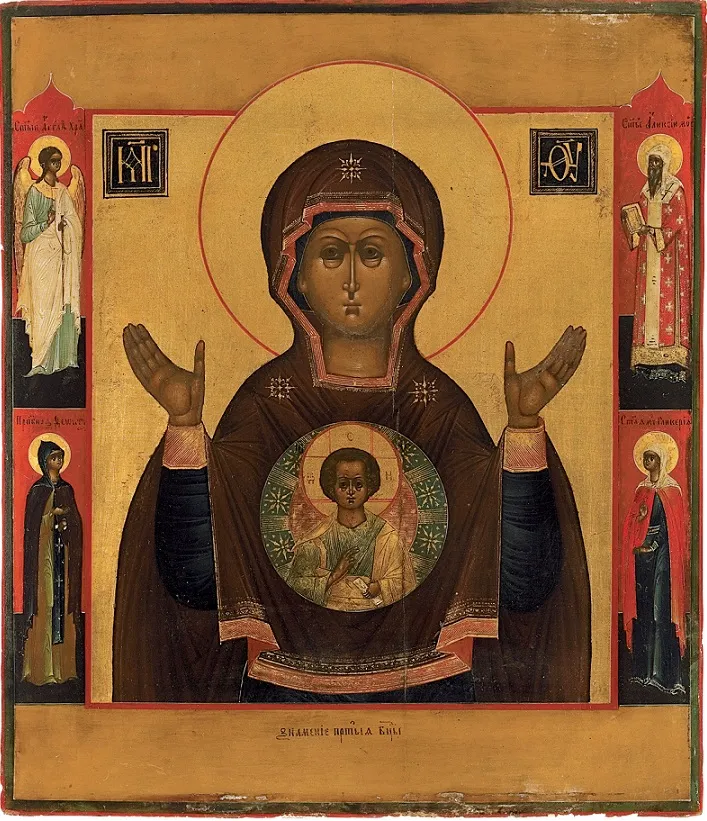
As this Sunday will be the Sunday after Dormition, we will celebrate the icon of the Mother of God ‘Прибавление ума / Pribavlenie Uma’, known in English as the ‘Giver of Reason’ or ‘Addition of Mind’. A short moleben to the Mother of God in honour of her icon will be offered at the end of the Liturgy.
May God bless you, and may your week continue in the joy of the Dormition.
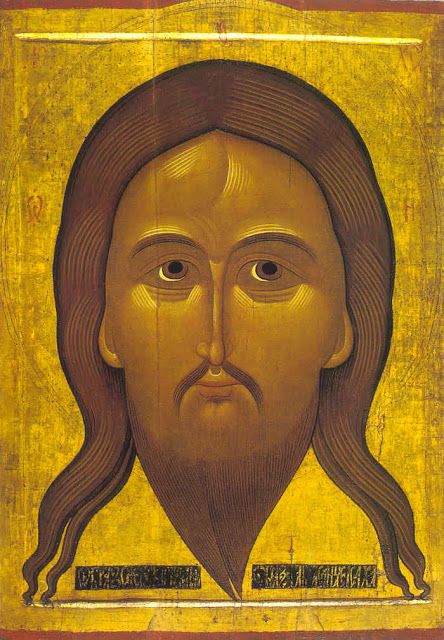
Greetings for the Dormition of the Mother of God and the feast of the icon of the Saviour ‘Not made by human hands’: the Holy Mandylion.
Many thanks to all who made the weekend’s services so joyful – the latest of our summer festal celebrations, which unlike the previous ones also included a baptism.
We congratulate the newly-enlightened handmaiden of God, Mary, named to honour the Mother of God and her Dormition.
Saturday afternoon’s baptism and celebratory tea preceded the celebration of vespers of the feast, and the beginning of the nameday for our newly-baptised sister.
We pray that the Lord will grant Mary and her sponsors, Melangell and Peter, many, blessed years!
Our Sunday Liturgy was blessed with the presence of Father Luke, who heard many confessions, and when we counted we reckoned that we had heard at least thirty confessions between Friday afternoon and Sunday morning.
Our Dormition Liturgy was very joyful, with around forty adults, plus the children, with most staying for the lovely festal lunch at which we broke the Dormition Fast.
Many thanks to our singers and servers, to the sisters who cooked and catered and to all who brought flowers and herbs for blessing – including the Marsh children who – with Grandma Georgina – made lavender bags to be blessed and distributed as evlogia from the feast.
The feast will continue until its octave, next Sunday, when we will celebrate the icon of the Mother of God, the ‘Giver of Reason’: Pribavlenie Uma.
Wishing you a joyful ongoing celebration of the feast!
In the Name of the Father and of the Son and of the Holy Spirit.
Dear brothers and sisters, greetings on this feast of the Dormition of the Most Holy Mother of God.
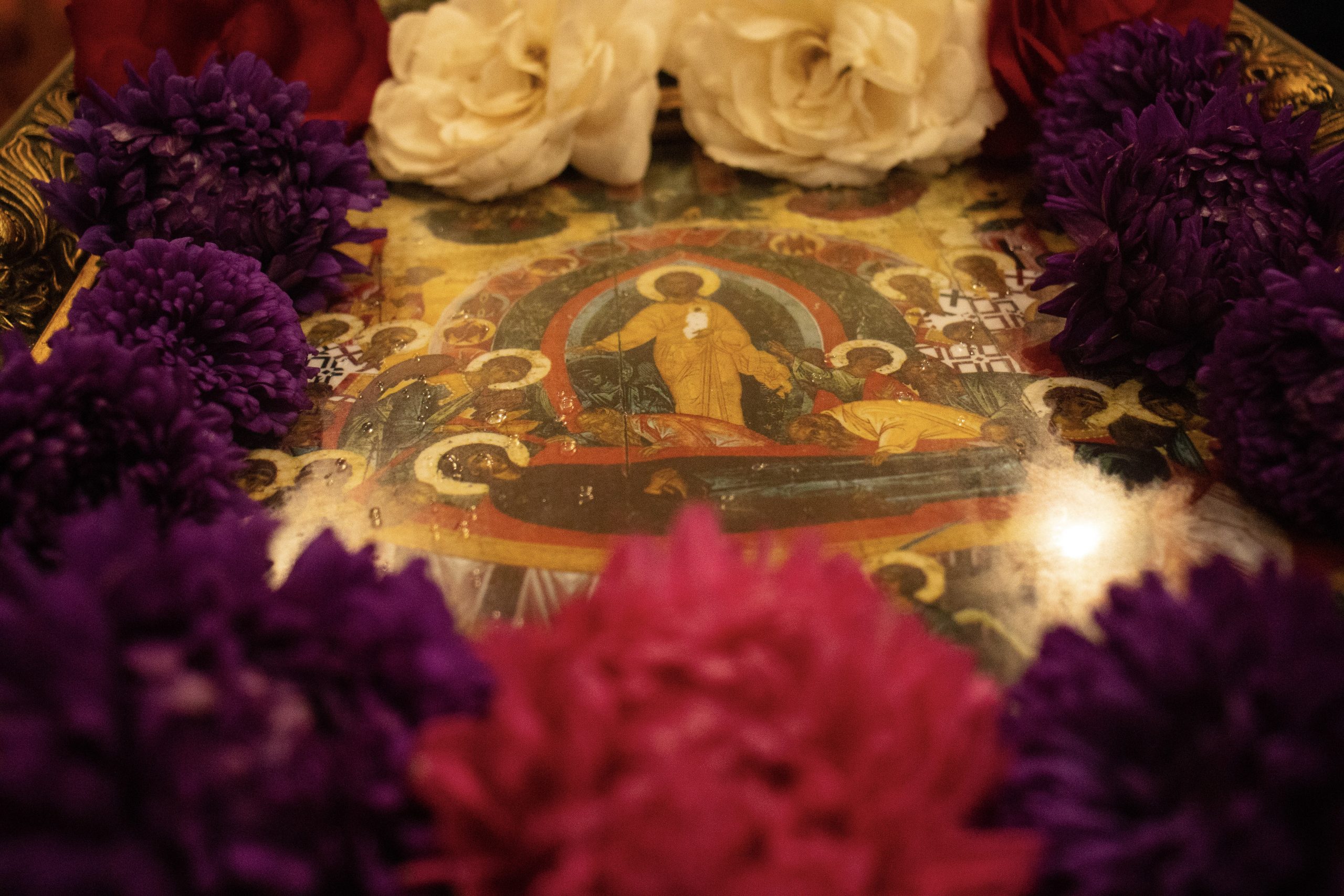
On this Summer Pascha, we celebrate the falling-asleep and resurrection of the Theotokos as the firstborn of the children of Adam and Eve, truly risen in body and soul, and assumed into the glory of the Kingdom of Heaven.
As the Hodegetria, ‘she who shows the way’, the Virgin is glorified in the totality of the resurrection, going physically as well as spiritually before the faithful-departed of every generation into the radiant eternity of the Eighth Day, which shall have no end.
Despite the heavenly nature of this feast, we are sometimes so earth-bound as we look at the plashchanitsa and icon.
Though mindful of the Lord taking His Mother – body and soul – into heaven, and though rejoicing at the empty tomb in Gethsemane, we often fail to reflect on the celestial joy of the glorious reception of the Mother of God into heaven.
In his poetic homily for the feast, Mar Jacob of Serugh reminds us that it is not only the company of the apostles that gathers at the Dormition of the Mother of God, but also the whole throng of the angelic hosts, who rejoice at her translation from death to life.
“Ranks and companies, also choirs of the sons of light; a clamour of watchers and a multitude of burning flames.
Fiery seraphim with wings closely covered by flames, with legions and their heavenly divisions.
Mighty cherubim who were yoked beneath his throne are moved by wonder to give praise with their Hosannas.
Followers of Gabriel, a glowing fiery multitude, and variously transformed in their natures.
Followers of Michael full of movement in their dissent, feasting, rejoicing, making merry this day with their Alleluias.
Heaven and the air of glory were filled with celestial beings, who journeyed and came down to the place of earth.”
Mar Jacob then turns to the saints of the Old Testament – the patriarchs, prophets, judges, kings and righteous ones who are not only the forefathers of Christ, but also of the Mother of God, through whom the Saviour was clothed in the flesh of Adam in His Incarnation.
By the victory of the Cross, Christ harrowed hell and stripped it of the righteous held by the chains and shackles of death, but it was only in spirit that their exodus led them from death life, and from the depths of Hades to the heights of heaven.
As they behold the full realisation of the resurrection, which they still await, Mar Jacob paints a poetic picture of their rejoicing as they see their daughter according to the flesh enter Heaven in that very flesh that has been received from them as her forebears.
“On this day Adam rejoices and Eve his wife, because their daughter rests in the place where they are gathered.
On this day the righteous Noah and Abraham rejoiced that their daughter has visited them in their dwelling-place.
On this day Jacob, the honourable old man, rejoices that the daughter who sprouted from his root has called him into life.
On this day the twelve just sons of the lame one rejoiced greatly and are glad in that she visited them.
On this day let also Judah rejoiced greatly, for behold the daughter who has given life, went forth from his loins.
On this day let Joseph rejoice in the great Moses, for one young maiden has called all mankind to life.
On this day let Aaron rejoice in Eliezar and all the tribes of the sons of Levi with their priesthood.
On this day let David the renowned forefather rejoice, because the daughter who was from him, has placed a glorious crown on his head.
On this day let Samuel rejoice with Jeremiah, because the daughter of Judah dropped dew on their bones.
Come Ezekiel, trained in prophetic revelation, if the thing that has occurred is described in your prophecy.
On this day let also Isaiah the prophet rejoice, because she whom he prophesied, behold she visits him in the place of the dead.
On this day all the prophets lifted their heads from their graves, because they saw the light which shone forth on them.
They saw that death is disquieted and flees from within them; and that the gates of heaven and the depths of the earth are opened again.”
Despite their greatness, these Old Testament saints only encountered God in veiled-appearances, types and shadows, with the Lord telling Moses, “Thou canst not see my face: for there shall no man see me, and live.”
In the harrowing of hell they spiritually beheld the Lord, whose body rested in the sepulchre even as He descended in soul to liberate their souls from death. In his Ascension, they – abiding in heaven awaiting the physical resurrection – beheld Him in His glorified flesh.
In their earthly sojourn, they had prophetically looked forward through the centuries to the virgin-mother, the rod of the root of Jesse, who would bear Immanuel – God with us.
In the glory of the Dormition and Assumption they welcomed their daughter, whose childhood entrance into the Holy of Holies of the Temple foreshadowed this day, when she entered the eternal sanctuary on high, following her Son’s translation of glorified human-nature to the right hand of the Father in his Ascension.
Though the forefathers, like all of the departed other than the Theotokos, must await the fulness of the resurrection, they rejoiced with the bodiless powers of heaven as they witnessed her Assumption as the fulfilment of the promise that they await.
With the passing of the centuries, new generations of the faithful are added to the synaxis of angels and humans who celebrate the heavenly translation of the Mother of Life, who leads us from death to life, and our own aspiration to the glorious reality of the Dormition and Assumption demands that we look to the example of the Mother of God in our hope to follow her heavenward-journey.
Striving to embrace the simplicity, humility, purity and God-centred obedience of her life, and imitating her by bowing before the Lord’s will each day, we must constantly echo her words, “Be it unto me according to Thy word”, whilst obeying her command at the marriage of Cana, “Whatsoever he saith unto you, do it.”
Just as her selfless life always pointed to the Saviour, so that she reflected Him as the moon reflects the light of the sun, His teachings and life-in-Him must be the existential reality and narrative of our lives, reflected and realised in each thought, word and deed.
If we are prepared to follow her example, the Theotokos already shows us the way from death to life, and from all that is earthly, temporal and transitory to the eternal glory of heaven, where the saints rejoice – radiant in the resurrection of Christ for all eternity.
Striving to emulate the Mother of God, and to follow her, let us struggle to mount the heights of heaven, rejoicing in the words of Mar Jacob “that death is disquieted and flees… and that the gates of heaven and the depths of the earth are opened again.”
A Canon of Supplication to the Most Holy Theotokos.
Ode 1, Irmos: Let us all chant a triumphant hymn unto God * Who wrought wondrous miracles * with His upraised arm, * and saved Israel, * for He hath been glorified.
Holy Theotokos, save us.
Thou art a haven of salvation and protection for those who call upon thee, О most pure Theotokos. Wherefore, I fervently cry out to thee from the depths of my soul: О Lady, save me!
Most Holy Theotokos, save us.
O most pure Mary, Mother of the Creator, in that thou art good and easy to reconcile, heal thou my lowly soul which hath been corrupted by the passions and transgressions.
Glory be to the Father, and to the Son, and to the Holy Spirit.
О Lady unwedded, cease thou never to entreat my Creator and God on behalf of one who ever flees to thy protection, that I may receive mercy.
Now & ever, and unto the ages of ages. Amen.
О animate palace and fiery throne of the King, with the holy martyrs and apostles do thou ever entreat Christ, that He deliver us from perils.
Ode III, Irmos: The stone which the builders have rejected, * the same hath become the cornerstone: * this is the rock upon which Christ hath established the Church, * which He hath redeemed from among the nations.
Most Holy Theotokos, save us.
The darkness of transgressions surroundeth my heart, О Lady, and I dare not lift up mine eyes to heaven. Wherefore, I cry: Enlighten my mind, soul and heart with the precepts of Christ!
Most Holy Theotokos, save us.
I gaze upon thy divine image, and I honor thee, the seal of the Master, the most pure Mother, as the prototype. And I kiss it, and bow down, and praise it, knowing thine honor and His alone.
Glory be to the Father, and to the Son, and to the Holy Spirit.
Halt the cruel assaults of the body, and quench thou the flame of the passions, О Virgin, wherewith the cruel serpent weaves greatly tangled bonds offenses round about me, desiring to drag me down to destruction.
Now & ever, and unto the ages of ages. Amen.
Issuing forth bodily, the Word clothed Himself wholly in Adam through thee. Him do thou therefore beseech, that He deliver us from the passions, from divers perils and everlasting fire.
Ode IV, Irmos: Foreseeing in the Spirit O Prophet Habbakuk, * the incarnation of the Word, * thou didst proclaim, crying aloud: * When the years draw nigh, Thou shalt be known; * when the season cometh, Thou shalt be shown forth! * Glory to Thy power, O Lord!
Most Holy Theotokos, save us.
Having given birth to the Creator and Fashioner of all, О Virgin, thou hast ineffable power and invincible might, and savest those who approach thee with faith. Wherefore, I cry to thee: О Sovereign Lady of the world, help me!
Most Holy Theotokos, save us.
Set at naught the battles of the invisible and noetic foe who assail in vain my wretched heart, О Lady, and grant me divine serenity and peace, that I may hymn thee in gladness.
Glory be to the Father, and to the Son, and to the Holy Spirit.
Thou art the hope of the hopeless, helper of the poor, consolation of those who weep, cleansing of the sinful, guide of the lost, healer of the sick and righting of the fallen.
Now & ever, and unto the ages of ages. Amen.
О pure and blessed Virgin Mary, who alone hast done away with the curse of all; with the apostles, martyrs and prophets entreat Him Who issued forth from thy womb, that He save the souls of those who hymn thee.
Ode V, Irmos: Grant us Thy peace, O Son of God, * for we know no other God than Thee, * and we call upon Thy Name, * for Thou art the God of the living and the dead.
Most Holy Theotokos, save us.
Save me from the abyss of perils, tribulations, griefs and bodily passions, О Lady, and preserve my soul in divine tranquility.
Most Holy Theotokos, save us.
Thou art my fervent and steadfast preservation all throughout my life, О most immaculate one. Wherefore, I beseech thee; even after my death, extend unto me thy rich loving-kindness.
Glory be to the Father, and to the Son, and to the Holy Spirit.
О thou who hast given birth to the Creator and Redeemer of all, deliver me from the bodily passions which consume my heart and drag me into unseemly deeds.
Now & ever, and unto the ages of ages. Amen.
In that thou hast been revealed to be a place of noetic sanctity, О Virgin Lady, wholly sanctify me, and with the holy and wise apostles pray that I be saved.
Ode VI, Irmos: Emulating the Prophet Jonah, I cry aloud: * Free Thou my life from corruption, O Good One; * and save me who crieth out: * O Savior of the world, Glory be to Thee!
Most Holy Theotokos, save us.
Thou preservest me alive, delivering me from dangers. In thy loving-kindness do thou also stand before me when I depart this earth for life everlasting, О Virgin Mother.
Most Holy Theotokos, save us.
Thou art an indestructible rampart, thou art a firm wall of protection, thou art a mighty intercessor for thy servant, О good Theotokos; wherefore, I ever call upon thee.
Glory be to the Father, and to the Son, and to the Holy Spirit.
Having acquired powerful supplications before God, О good Theotokos, disdain not me who fervently flee to thy protection and cry aloud: Have mercy on me, О Mother of the God of all!
Now & ever, and unto the ages of ages. Amen.
Reject me not, neither spurn me, О Savior, for the ewe-lamb who gave Thee birth in the flesh entreateth Thee with Thine apostles, prophets and passion-bearers.
Lord, have mercy. Lord, have mercy. Lord, have mercy.
Glory be to the Father, and to the Son, and to the Holy Spirit; now & ever, and unto the ages of ages. Amen.
Sessional hymn, Tone I: О most pure Maiden, the prophets foretold thee as the cloud of the eternal light of God, the ark, the candlestand and jar, and the unquarried mountain; for in the latter times Christ our God came forth from thee without seed, as was the Father’s good pleasure.
Ode VII, Irmos: Thy children who were in the furnace O Savior, * were neither touched nor troubled by The fire. * Whereupon the three sang, as with a single mouth * Thy praises and blessed Thee, saying: * ‘O God of our fathers, Blessed art Thou.’
Most Holy Theotokos, save us.
Hastening in thy loving-kindness, О most pure Lady, deliver me, who am brought to despondency by transgressions and the pleasures of the flesh and who am thrust into the abyss of destruction, О pure one.
Most Holy Theotokos, save us.
О Theotokos, thou art the refuge and mighty protection of all the faithful. Be thou for me a guide to the Creator, granting me deliverance from transgressions in thy compassion.
Glory be to the Father, and to the Son, and to the Holy Spirit.
Thou hast destroyed the curse, О pure one who hast given birth to Christ our joy. By thy power, О most immaculate one, break thou also the curse which I have incurred through sin, and grant me joy.
Now & ever, and unto the ages of ages. Amen.
О most holy and pure one, thy servants ever entreat thee day and night, praying with contrite thoughts. Grant us deliverance from our offences by thy supplications.
Ode VIII, Irmos: Him of whom the angels and all the hosts of heaven are in awe * as their Lord and Creator, * ye priests hymn, ye children praise, * ye peoples bless and supremely exalt * throughout all ages.
Most Holy Theotokos, save us.
Arise, go forth and do battle against the enemies who trouble and oppress us in vain, delivering us by thy power, О holy virgin, thou helper of the world!
Most Holy Theotokos, save us.
Thou hast saved the world from death and corruption by thy divine birthgiving, О good Virgin; and now, by thy supplications, rescue from the passions and save us who praise thee.
Glory be to the Father, and to the Son, and to the Holy Spirit.
Great and ineffable is thy might, О Virgin, and many and invincible are thy divine compassions and loving-kindness. Wherefore, save us who call upon thee in truth.
Now & ever, and unto the ages of ages. Amen.
As an animate vine, О Virgin, thou didst put forth for us the ripe Cluster, Who hath poured forth the wine of remission and dried up the drunkenness of sin.
Ode IX, Irmos: The light-bearing cloud upon whom * the beginningless Master of all descended from heaven, * like the dew upon the fleece, * and of whom He was incarnate, * becoming a man for our sake, * let us all magnify as the pure Mother of God.
Most Holy Theotokos, save us.
Greatly tempest-tossed upon the sea of life by carnal pleasures, I fall down before thee and cry aloud: Have mercy on me, who flee unto thee, О Lady, and extend to me a hand of salvation, delivering me from the abyss of destruction!
Most Holy Theotokos, save us.
To thee do I confess my sins, О Virgin; before thy face do I disclose my shame; and I cry to thee from the depths of my soul “Have mercy and take pity, О most pure one, for on thee and God have I set my firm hope”!
Glory be to the Father, and to the Son, and to the Holy Spirit.
With all my soul I call upon thee who hast given birth without seed to the Creator and Master, and I cry out earnestly: Save me from the corruption of manifold transgressions, and deliver me from the unquenchable fire, О most holy and good Theotokos!
Now & ever, and unto the ages of ages. Amen.
О pure one, thou impassable door, gate of paradise, path of the saved, way of salvation: with the martyrs and prophets, the righteous and venerable, and the divine apostles, pray thou, that our souls be saved.
A Canon of Supplication to the Most Holy Theotokos.
Ode 1, Irmos: Having been delivered from bitter slavery, * Israel traversed the impassable as though dry land; * and beholding the enemy drowned, * they chanted unto God as to their Redeemer, * Who worketh wonders with His upraised arm, * for He hath been glorified.
Most Holy Theotokos, save us.
I am held fast in despondency as I consider the multitude of my transgressions and the answer I must make to the Judge, О Lady Theotokos. Yet be thou for me a divine mediator, placating Him by thy loving-kindness.
Most Holy Theotokos, save us.
О most pure one, thou refuge of Christians, setting aright of the fallen and cleansing offenses; at the hour of the dread judgment deliver me from the ever-burning fire,
granting me life everlasting.
Glory be to the Father, and to the Son, and to the Holy Spirit.
Thee, О Virgin, have we all, the faithful, acquired as our only sure helper; for thou hast given birth unto God. Wherefore, all of us, all the generations of the earth, bless thee, as thou didst foretell, О pure one.
Now & ever, and unto the ages of ages. Amen.
Beholding thy Creator and Son upon the Cross, О pure and all-immaculate one, thou wast filled with awe and didst say: “What is this, О my Child? How have the wicked repaid Thee with evil for the good which Thou didst show them?”
Ode III, Irmos: To the Son who was begotten of the Father * without change before all ages, * and in the last times, without seed, was made flesh of the Virgin, * to Christ our God let us cry aloud: * Thou hast raised up our horn, holy art Thou, O Lord.
Most Holy Theotokos, save us.
All the prophets proclaimed thee the Mother of God in most glorious images; and we, clearly beholding their fulfillment, also believe, and ask that through thee we may receive divine serenity.
Most Holy Theotokos, save us.
О Sovereign Lady of the world, salvation and help of the faithful; accepting the signs which issue forth from the depths of my heart and the streams of my tears, deliver me who am bound by many transgressions, and save me, О pure one.
Glory be to the Father, and to the Son, and to the Holy Spirit.
Possessed of boldness before Christ God, in that thou art His Mother, О pure one, pray thou ever that we be delivered from the children of Hagar and from all harm, and make us steadfast, that we may glorify Him with thanksgiving, О most immaculate one.
Now & ever, and unto the ages of ages. Amen.
Beholding her Son lifted up upon the Cross, the most pure one exclaimed, and, crying out, gave utterance from the depths of her heart: “What have the wicked and iniquitous ones, who were filled to repletion with Thy gifts, done to Thee, О my Son?”
Ode IV, Irmos: Rod of the root of Jesse, * and flower that blossomed from his stem, * O Christ, Thou hast sprung from the Virgin. * From the Mountain overshadowed by the forest * Thou hast come, made flesh from her that knew not wedlock, * O God who art not formed from matter. * Glory to Thy power, O Lord.
Most Holy Theotokos, save us.
Cast down the savagery of the wicked foe and the machinations they direct against me, and invest me with thy might, О all-immaculate one, ever preserving me unharmed, whole and unvanquished, who radiantly hymn thee.
Most Holy Theotokos, save us.
Vanquished by the law of the flesh, full of the passions, I do unseemly and iniquitous things. And I dare not in anywise lift up mine eyes to thee, О pure Lady. But do thou save me, wretch that I am, by the law of thy tender compassions. Do thou save me!
Glory be to the Father, and to the Son, and to the Holy Spirit.
О Lady, we the faithful have thee and God alone as our hope unashamed and our help. By thy supplications deliver us from all enemies, visible and invisible, from harm and temptations, that we may unceasingly glorify thee.
Now & ever, and unto the ages of ages. Amen.
Beholding the Son to Whom thou hast given birth without seed nailed to the Cross, О all-immaculate one, thou didst cry out maternally and, lamenting, didst say: “What is this new, most glorious and incomprehensible wonder which I behold in Thee, О my Son?”
Ode V, Irmos: As Thou art the God of peace and Father of compassions, * Thou hast sent unto us Thine Angel of great counsel, * granting us peace. * Wherefore guided towards the light of the knowledge of God, * and watching by night we glorify Thee, * O Lover of mankind.
Most Holy Theotokos, save us.
As thy supplication is tireless and thy helping of thy servants fervent, О Virgin, rescue and save us, anticipating our needs amid all the perilous misfortunes of life, that we not fall victim to grief and become corrupt.
Most Holy Theotokos, save us.
О Mary, dwelling-place of God, show me forth through repentance to be a habitation for God, for I have become the haunt of wicked demons through my vile deeds, mindlessly carrying out their will.
Glory be to the Father, and to the Son, and to the Holy Spirit.
As thou art the compassionate Mother of God, heal us, who are cruelly afflicted in body and soul with sinful passions; for thou truly hast given birth to Christ, the Physician of souls and bodies, the abundant Wellspring of life.
Now & ever, and unto the ages of ages. Amen.
Beholding her Son upon the tree of the Cross, the most immaculate one was stricken with pain in her womb, and with tears she cried out: I am in awe to see Thy long-suffering, О my Son, beholding this new wonder! How is it that Thou, Who art sinless, dost endure an unjust death?”
Ode VI, Irmos: The sea monster spat forth Jonah as it had received him, * like a babe from the womb: * while the Word, having dwelt in the Virgin and taken flesh, * came forth from her yet kept her incorrupt. * For being Himself not subject to decay. * He preserved His Mother free from all harm.
Most Holy Theotokos, save us.
Thou wast the receptacle of the noetic Myrrh Who hath perfumed the whole earth with the sweet fragrance of His divinity, О most holy Bride of God. Wherefore, with the fragrance of thy supplication dispel all the stench of my transgressions from my soul.
Most Holy Theotokos, save us.
The fire of pleasures doth utterly consume me, afflicting my lowly heart, and iniquitously moving me to commit unseemly deeds. Hasten thou to extinguish it, in that thou hast given birth to the divine Fire, my salvation, О Bride of God.
Glory be to the Father, and to the Son, and to the Holy Spirit.
Deliver us from the temptations of enemies visible and invisible, О all-hymned Virgin, and preserve those who with Orthodox Faith truly confess thee to be the Theotokos, О Mother of God; for thou dost ever possess might, in that thou hast given birth to Him Who hath created all things.
Now & ever, and unto the ages of ages. Amen.
Standing before the Cross and beholding her Son hanging thereon in the flesh, the most immaculate one felt her womb burn with grief, and, shedding tears, she cried: “O my Child, truly ineffable is Thy compassion for all men!”
Lord, have mercy. (Thrice).
Glory be to the Father, and to the Son, and to the Holy Spirit; now & ever, and unto the ages of ages. Amen.
Sessional hymn, Tone I: Upon seeing the Lamb and Shepherd hanging dead upon the Tree, * the unblemished ewe-lamb, cried aloud, weeping * and exclaiming maternally: * “How is it that Thou dost willingly endure abasement and sufferings * which surpass all telling, ** O my Son, and supremely good God?”
Ode VII, Irmos: Scorning the impious decree of the godless one, * the Children brought up together in godliness * feared not the threat of fire, * but standing in the midst of the flames, they sang: * O God of our fathers, blessed art Thou.
Most Holy Theotokos, save us.
cannot bear the assaults and tumult of the demons, for the flame of carnal passions darkens my mind. Yet disdain me not, О holy Theotokos, for I set all my hope on thee.
Most Holy Theotokos, save us.
О Virgin who knewest not wedlock, О all-holy Bride and Lady of God, through thy prayers loose thou the bonds of my transgressions, and bind me to Christ with bonds of love, that I may bring forth the virtues as fruit.
Glory be to the Father, and to the Son, and to the Holy Spirit.
Thou art the helper, the bulwark and sure refuge of all Orthodox Christians, О pure Mary. Wherefore, honouring thee with faith, we cry out to Christ: О God of our fathers, blessed art Thou!
Now & ever, and unto the ages of ages. Amen.
The most holy virgin, beholding her Son suspended upon the Cross, was stricken with awe, and marveling, said: “How can I bear the sight of Thee slain, Who art the Author and Bestower of life?”
Ode VIII, Irmos: The furnace moist with dew * was an image and prefiguring of a wonder past nature, * burning not the Children whom it had received, * so the fire of the Godhead consumed not the Virgin’s womb * into which it had descended. * Therefore in song let us sing: * Let the whole creation bless the Lord * and supremely exalt Him throughout all ages.
Most Holy Theotokos, save us.
О Theotokos, Sovereign Lady of the world, do thou alone, by thy lovingkindness, lead me up, who by my wicked mind have been plunged into the abyss of perdition and evils by carnal pleasures and my passionate attachment to the things of life. For I in nowise have any hope of salvation, being wholly despondent, О pure one.
Most Holy Theotokos, save us.
Thou art the salvation of all, having given birth ineffably to God. Thou art the saviour of the faithful, О Theotokos, the guide of the blind and the setting aright of the fallen. Wherefore, praising thee, we cry out to Christ: Bless the Lord, all ye works! Hymn and supremely exalt Him throughout the ages!
Glory be to the Father, and to the Son, and to the Holy Spirit.
Having acquired thee as a most firm bulwark, we have placed in thee our hope of salvation, О Mother of God. Be thou for thy servants a haven and an unshakable rampart, and guide us continually, that we may chant: Let all creation bless the Lord and supremely exalt Him throughout all ages!
Now & ever, and unto the ages of ages. Amen.
Her womb was rent maternally, and filled with a multitude of tears, when she who gave birth to Thee in purity beheld Thee on the Cross, she cried out with inconsolable groaning: “Having escaped pain in Thy birth, О my Son, I am now held fast by pain, beholding Thy countenance dishonoured.”
Ode IX, Irmos: Ineffable is the mystery of the Virgin: * for she is heaven and the throne of the cherubim, * and hath been revealed as the radiant bridal-chamber * of Christ God Almighty. * Wherefore we piously magnify her as the Theotokos.
Most Holy Theotokos, save us.
I have besmirched my soul with dishonourable passions, wretch that I am, and have defiled all my flesh with soul-corrupting passions; yet as thou art pure and undefiled, cleanse me by the magnitude of thy mercy.
Most Holy Theotokos, save us.
I have not acquired any other refuge than thee, О pure Lady, neither do I know any other steadfast helper and protection on earth. Wherefore, I have fled with fervour to thee, asking that through thee I might receive deliverance from offences.
Glory be to the Father, and to the Son, and to the Holy Spirit.
From on high thou dost now look mercifully upon thy servants, О all-hymned one, preserving us with pious faith and delivering from every evil circumstance by thy prayers those who honour thee as the true and honoured Theotokos.
Now & ever, and unto the ages of ages. Amen.
When she who knew a seedless birthgiving saw Thee suspended upon the tree of the Cross, О Thou Who lovest mankind, she cried aloud: “O my Son and almighty God, in Thy desire to save mankind how hast Thou now accepted crucifixion?”
A Canon of Supplication to the Most Holy Theotokos.
Ode1, Irmos: Let us all chant a triumphant hymn unto God * Who wrought wondrous miracles * with His upraised arm, * and saved Israel, * for He hath been glorified.
Most Holy Theotokos, save us.
The bush prefigured thee, О Birthgiver of God; for, remaining unconsumed, thou didst truly hold the unbearable Fire. Wherefore, with faithful voices we ever hymn thee.
Most Holy Theotokos, save us.
God the Word, clothing Himself in human nature, became incarnate from thee in a manner transcending understanding, О most pure one. Wherefore, every breath doth glorify thee and renders thee homage, and honour, as is meet.
Glory be to the Father, and to the Son, and to the Holy Spirit.
О most pure one, thou didst conceive the ineffable Word Who upholdeth all the ends of the earth, and thou hast given birth to Him. Him do thou earnestly beseech, that He have mercy on us.
Now & ever, and unto the ages of ages. Amen.
In that thou alone hast given birth within time to the timeless God incarnate, О most pure Lady, heal thou the immemorial sufferings of my passion-plagued soul.
Ode III, Irmos: Let my heart be established in Thy will O Christ God, * Who hath established a second heaven over the waters, * and founded the earth upon the waters, * O all-powerful One.
Most Holy Theotokos, save us.
That He might deify humanity, God became man through thee, О pure Virgin, in a manner past all telling and understanding. Wherefore together we, the faithful, call thee blessed.
Most Holy Theotokos, save us.
He Who by nature is uncircumscribable became circumscribed, incarnate from thee, О pure one who art full of the grace of God. Him do thou unceasingly entreat, that He take pity and enlighten the souls of those who bless thee.
Glory be to the Father, and to the Son, and to the Holy Spirit.
Dispel all the fruitlessness of mine unfruitful thoughts, and show forth my soul as fruitful in the virtues, О most holy Theotokos, thou helper of the faithful.
Now & ever, and unto the ages of ages. Amen.
Deliver me from every evil circumstance, from the many temptations of the serpent, and from eternal fire and darkness, О most immaculate one who for us hast given birth to the never-waning Light.
Ode IV, Irmos: : Foreseeing in the Spirit O Prophet Habbakuk, * the incarnation of the Word, * thou didst proclaim, crying aloud: * When the years draw nigh, Thou shalt be known; * when the season cometh, Thou shalt be shown forth! * Glory to Thy power, O Lord!
Most Holy Theotokos, save us.
Christ made His abode within thy most pure womb, О all-holy Lady, and deified us, assuming animate flesh. Wherefore O pure Mother, we hymn thee in an Orthodox manner, О Lady, thou helper of the world.
Most Holy Theotokos, save us.
Sanctify us, О holy Theotokos who hast given birth in the flesh to the Most holy One Who desired to become like unto men; and by thy supplications, О most pure one, show us all to be partakers of the heavenly kingdom.
Glory be to the Father, and to the Son, and to the Holy Spirit.
О Virgin Theotokos, undefiled tabernacle, with the pure beams of thy compassions cleanse me who have defiled myself with transgressions, and grant me a helping hand, that I may cry: Glory to Thy power, О Lord!
Now & ever, and unto the ages of ages. Amen.
Thou wast revealed to be a temple sanctified for God, О Virgin, and He made His abode in thee in a manner transcending understanding. Him do thou beseech, that He wash away the defilement of our sins, that we may be shown to be temples and habitations of the Spirit.
Ode V, Irmos: Grant us Thy peace, O Son of God, * for we know no other God than Thee, * and we call upon Thy Name, * for Thou art the God of the living and the dead.
Most Holy Theotokos, save us.
The wicked eating which once was done in Eden made me mortal; but do thou, О pure one who hast given birth to Life, restore me to life who have been slain by the tree of old, that I may lift up my voice in hymns, glorifying thee.
Most Holy Theotokos, save us.
О all-pure one, save me from cruel tribulations! Raise me up from the vile passions, and from the captivity and oppression of the evil demons deliver me who honour thee with love.
Glory be to the Father, and to the Son, and to the Holy Spirit.
О pure Virgin Mother, we know thee to be the cloud and garden of paradise, the portal of the Light, the table and fleece, and the jar holding within thee the Manna which is the delight of the world.
Now & ever, and unto the ages of ages. Amen.
О most immaculate one who hast given birth to God, Emmanuel, Who in His loving-kindness manifestly became a man: Him do thou beseech, that He have pity on sinful people, in that He is the Lover of mankind, О pure one.
Ode VI, Irmos: Lead my life up from corruption O Christ God, * as didst Thou the Prophet Jonah, * I cry to Thee O Lover of mankind, * for with Thee is life, incorruption and might.
Most Holy Theotokos, save us.
I entreat thee who art the good and undefiled tabernacle: By thy mediation wash away all defilement from me who have been defiled by many sins.
Most Holy Theotokos, save us.
О pure one, be thou guidance for me who am tempest-tossed upon the cruel abyss of the perils of life; direct me to the harbor of salvation, and save me.
Glory be to the Father, and to the Son, and to the Holy Spirit.
The threefold billows of evil thoughts, the assaults of the passions and the abyss of sins bestorm my wretched soul. Heal me, О holy Lady!
Now & ever, and unto the ages of ages. Amen.
О Mary who art called the tabernacle of sanctification, sanctify my wretched soul which hath been defiled by pleasures, and make me a partaker of divine glory.
Lord, have mercy. (Thrice).
Glory be to the Father, and to the Son, and to the Holy Spirit; now & ever, and unto the ages of ages. Amen.
Sessional hymn, Tone I: О Virgin who gavest nourishment to One of the Trinity, О beauteous garden of paradise, salvation of mortals: by thy protection save those who piously hymn thee, for thou hast given birth to Him Who spake in the prophets, and didst bear Him Who upholdeth all things, in that thou art the Mother of Christ God.
Ode VII, Irmos: Thy children who were in the furnace O Saviour, * were neither touched nor troubled by The fire. * Whereupon the three sang, as with a single mouth * Thy praises and blessed Thee, saying: * ‘O God of our fathers, Blessed art Thou.’
Most Holy Theotokos, save us.
The Son of the beginningless Father made His abode within thy womb, receiving a beginning, that He might deliver us who worship Him from the evil princes of darkness, in that He is God, О pure Birthgiver of God.
Most Holy Theotokos, save us.
Arrayed in divine virtues, О pure Virgin, thou hast given birth to the Word Who with the Father is beginningless, and hath truly covered the heavens with virtues. Him do thou ever entreat, that He have pity on us.
Glory be to the Father, and to the Son, and to the Holy Spirit.
Sanctify our thoughts, make steadfast the souls of all, О Mother of God, that we may execute well the judgments of the Word of the beginningless Father Who, in His ineffable loving-kindness, became incarnate from thee, О Virgin.
Now & ever, and unto the ages of ages. Amen.
Revive my mind which hath been slain by many passions, О most immaculate one, and strengthen me to do God-pleasing works, that I may magnify thee ever as the helper and hope of Christians.
Ode VIII, Irmos: Him of whom the angels and all the hosts of heaven are in awe * as their Lord and Creator, * ye priests hymn, ye children praise, * ye peoples bless and supremely exalt * throughout all ages.
Most Holy Theotokos, save us.
By thy vigilant supplications to God, О most immaculate one, we who acknowledge thee to be the blessed and all-joyous Theotokos are delivered from all manner of temptations.
Most Holy Theotokos, save us.
In a godly manner the Incorporeal One became incarnate from thee. Him do thou entreat, О most pure one, that He mortify the passions of my flesh and revive my soul, which hath been slain by sins.
Glory be to the Father, and to the Son, and to the Holy Spirit.
О most pure one who hast given birth to God the Savior, Who hath healed the abasement of Adam: Him do thou beseech, that He heal the incurably painful wounds of my soul.
Now & ever, and unto the ages of ages. Amen.
Raise me up who lie in the abyss of evils, and vanquish the enemies who now assail me, the unseemly pleasures which eat away my soul. Disdain me not, О pure one, but have pity and save me!
Ode IX, Irmos: The light-bearing cloud upon whom * the beginningless Master of all descended from heaven, * like the dew upon the fleece, * and of whom He was incarnate, * becoming a man for our sake, * let us all magnify as the pure Mother of God.
Most Holy Theotokos, save us.
О most immaculate one who hast given birth to the divine Light Who shone forth from the Father, have pity on my soul, which hath become darkened by the deceptions of life and is become an object of mockery to mine enemies; and grant unto me the light of saving repentance, О pure one.
Most Holy Theotokos, save us.
О most immaculate one, Isaiah beheld thee as a luminous cloud from whence the Sun of righteousness hath shone forth upon us, mystically to enlighten creation. Wherefore, with faith we hymn thee who art beautiful among women.
Glory be to the Father, and to the Son, and to the Holy Spirit.
Loving sin, I live in slothfulness, О pure one. I tremble before the unfailing judgment, at which do thou preserve me uncondemned by thy holy prayers, О Virgin Bride of God, that I may ever bless thee as my helper.
Now & ever, and unto the ages of ages. Amen.
I tremble before the judgment and the inescapable eye of thy Son, having committed many sins on earth. Wherefore, I cry to thee: О most merciful Lady, help me! О pure one, rescue me uncondemned from my need at that time
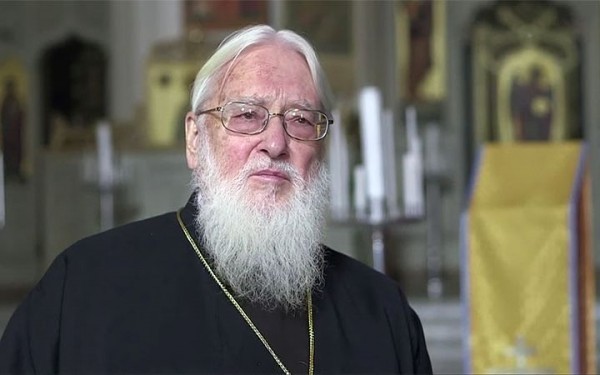
By now, many of you will have heard the news of the repose of Metropolitan Kallistos of Diokleia in the early hours of the morning.
It feels like we have a lost a landmark that has been there for so long, and that we took for granted, despite his venerable age and deteriorating health: a spiritual equivalent to the White-Cliffs of Dover or the Tower of London… an enduring part of our Orthodox consciousness as believing-people in this corner of God’s world. But, all flesh is grass…
We cannot even begin to describe the debt that the Orthodox Church owes him, especially for the fine translations of the Festal Menaion and Lenten Triodion (undertaken with Mother Mary) that have served English speaking parishes and faithful so well over the decades.
Just over fifty years on from the publication of the Festal Menaion, it is so easy to forget what an ’English language desert’ it was for English speaking people coming to Orthodoxy, with only a handful of translated liturgical texts having been printed.
Fr Luke has described the elation people felt when they were able to have the festal and Lenten texts in English, with those living far from the few Orthodox churches then existing being able to buy these books to celebrate and pray at home.
As such a very English figure, Metropolitan Kallistos’s life and labours demonstrated that Orthodoxy was not the preserve of ethnic enclaves, and this is where his text translations where so vital, in opening the prayer and rich liturgical wealth of Orthodoxy to English speaking people.
Like Metropolitan Anthony of Sourozh, he showed Orthodoxy to the English-speaking world, but he did so as an insider – as the most English of Englishmen – and though serving and lecturing in Oxford may not have brought contact with the broadest spectrum of society, his writings (especially ‘The Orthodox Church’ and ‘The Orthodox Way’) and the liturgical translations made him a household name in Orthodoxy: a name known by all who have explored Orthodox Christianity.
Perhaps his impact could have been greater had his patriarchate made greater use of such an inspiring and talented bishop, but such was his life as an English hierarch in an ethnic ecclesiastical setting that clearly prefers to advance ethnic mediocrity and fund-raisers to men of wisdom, prayer and elevated spiritual-life.
Many clergy now serving the Church, and many members of the laity were inspired by Metropolitan Kallistos, following his journey and making their own spiritual home in the Orthodox Church where, with a deft lightness of touch he managed to transcend jurisdictional divides and avoid conflict, making him a loved and revered pan-Orthodox figure in an increasingly fractious Orthodox world.
May the Lord grant him a place in the heavenly mansions and may his memory be eternal.
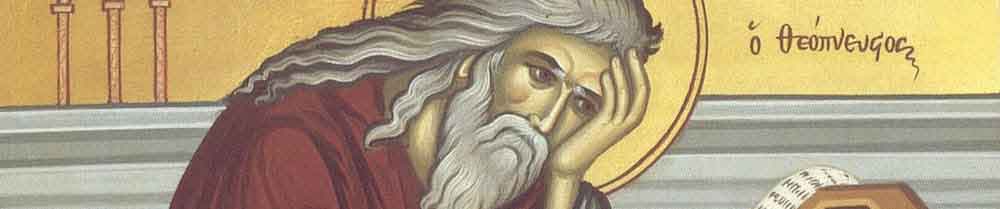
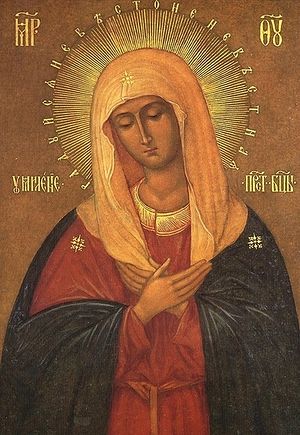 He looked on her humility and her gentleness and her purity, and dwelt in her because it is easy for Him to dwell within the humble.