Ode I, Irmos: Having traversed the water as though it were dry land, and escaped the evil of Egypt, the Israelite cried aloud: Let us chant unto our Deliverer and God!
Venerable fathers of Optina, pray to God for us.
Ye are a rule for monastics, O healers of the infirm and sorrowful. O shepherds of lost sheep, teach us to offer hymnody worthily unto you.
Venerable fathers of Optina, pray to God for us.
Rejoice, O honoured Paisius our father, chief shepherd of the monastic folds, who guided ranks of monks to the heavenly pasture and hast instructed the ends of the Russian land!
Glory be to the Father, and to the Son, and to the Holy Spirit.
Theodore, the monk of Svir, with many tears and a life of sorrow endured evils; yet, being steadfast and strong of mind, he spiritually begat a son, Leo, amid his pangs.
Now and ever, and unto the ages of ages. Amen.
O Virgin Mother Theotokos, entreat Christ Who was incarnate of thee, that He preserve the Russian land, and that He save our souls, in that He is merciful.
Ode III, Irmos: O Lord, Fashioner of the vault of heaven and Creator of the Church: establish me in Thy love, O Summit of desire, confirmation of the faithful, Who alone lovest mankind.
Venerable fathers of Optina, pray to God for us.
Thou didst set Christ, the Chief Cornerstone, as the firm foundation of thy struggles, and didst become the first of the company of elders, O Leo; and thou didst receive the grace to dispel the infirmities of those who suffer cruelly.
Venerable fathers of Optina, pray to God for us.
O Leo, thou didst cry out thus to those who oppressed thee: “I shall chant unto my God for as long as I have my being! Who will separate me from His love? Therein will I remain until the end, doing His will with boldness!”
Glory be to the Father, and to the Son, and to the Holy Spirit.
Truly blessed was the venerable Macarius, for he fed the souls of the hungry, freely nourishing all with his grace-filled discourse, doing away with their spiritual starvation, and bringing peace to souls beset by the tempest of the passions.
Now and ever, and unto the ages of ages. Amen.
From thee, O Mother of God, hath a torrent of sweetness poured forth, watering all men and washing away the defilement of their souls, O Virgin Theotokos; wherefore, from all tribulations do thou save those who venerate thy precious image.
Lord, have mercy. Lord, have mercy. Lord, have mercy.
Sessional Hymn, Tone IV, Spec. Mel. “Thou hast appeared…”: Ye have been shown to be instruments of the Holy Spirit, O venerable fathers, and have been vouchsafed gifts of prophecy; for in your souls the unapproachable light shone forth. (Twice)
Glory be to the Father, and to the Son, and to the Holy Spirit; now and ever, and unto the ages of ages. Amen.
Theotokion: At a loss how to hymn thee worthily, who art more exalted than all creation, O Theotokos, we beseech thee: Freely have mercy upon us!
Ode IV, Irmos: I have heard, O Lord, the mystery of Thy dispensation; I have understood Thy works, and have glorified Thy divinity.
Venerable fathers of Optina, pray to God for us.
O most wise Macarius, thou didst glean spiritual grain from the writings of the holy fathers, and didst feed hungry souls.
Venerable fathers of Optina, pray to God for us.
As the instructor of monks in the Monastery of the Forerunner, by thy life of abstinence, O Anthony, pray thou for those who praise thee.
Glory be to the Father, and to the Son, and to the Holy Spirit.
As brethren in the flesh and spirit, O divinely wise pastors Moses and Anthony, ye guided your sheep to the pasture.
Now and ever, and unto the ages of ages. Amen.
O pure Theotokos, divine flower and root which put forth a Shoot, unceasingly pray for us who hymn thee as the Theotokos.
Ode V, Irmos: Enlighten us with Thy commandments, O Lord, and with Thine upraised arm grant us Thy peace, O Thou Who lovest mankind.
Venerable fathers of Optina, pray to God for us.
Elisha received a twofold measure of grace from Elijah, and upon thee, O father Ambrose, did the grace of fathers Leo and Macarius rest.
Venerable fathers of Optina, pray to God for us.
O Ambrose, thou didst acquire within thyself love, the perfection of the virtues; for thou wast all things to all men, and a refuge for the poor.
Glory be to the Father, and to the Son, and to the Holy Spirit.
O Ambrose, with divine food thou didst nourish starving hearts, and didst nurture thy sheep on the pasture of the Word.
Now and ever, and unto the ages of ages. Amen.
O Mother of God, our fervent helper: illumine us who pray to thee, ever making entreaty for us, thine unworthy servants.
Ode VI, Irmos: I pour forth my prayer unto the Lord, and to Him do I declare my grief; for my soul is full of evil and my life hath drawn nigh unto hell, and like Jonah I pray: Lead me up from corruption, O God!
Venerable fathers of Optina, pray to God for us.
Thou wast a true son, O Joseph, having acquired unfeigned obedience, the begetter of dispassion; and as one meek, pure and merciful, thou didst humbly say: “I am useless without my father!”
Venerable fathers of Optina, pray to God for us.
The chaste-minded Joseph faithfully followed in the steps of his father: he humbled himself even unto death, thus emulating Christ the Master. Wherefore, we beseech him: Teach thou humility even to us sinners!
Glory be to the Father, and to the Son, and to the Holy Spirit.
Having acquired the love of thy father, O Anatolius, with him thou didst shepherd the reason-endowed flock; and now, O father, forget us not, but be thou mindful of thy sheep and guide them, seeking thy lost children and leading us all to salvation.
Now and ever, and unto the ages of ages. Amen.
I know thee to be the helper of my life and my steadfast preserver, O Virgin, who doest away with the tumult of temptations and fendest off the assaults of the demons; and I ever pray thus, that thou mayest deliver me from my passions.
Lord, have mercy. Lord, have mercy. Lord, have mercy.
Glory be to the Father, and to the Son, and to the Holy Spirit; now and ever, and unto the ages of ages. Amen.
Kontakion, VIII: Spec. Mel. “To thee, the champion leader…”: Having withdrawn from this vain world and discovered a treasure through your pure life, ye have not ceased your care for sinners in this world; but, as guides for the lost, deliver us from the vanity of this world, that we may say: Rejoice, O divinely wise elders!
Ikos: Emulating the angels, ye withdrew from the world, desiring to make your abode in the wilderness; yet forget us not who are still in the world, we sinners pray, that, delivered from delusion, we may address you thus: Rejoice, physicians of spiritual sicknesses; rejoice, healers of bodily ailments! Rejoice, ye who transcended the understanding of the wise; rejoice, ye who guided the unwise to understanding! Rejoice, ye who offered up unceasing prayers; rejoice, mediators before God for sinners! Rejoice, O divinely wise elders!
Ode VII, Irmos: Once, in Babylon, the youths who had come forth from Judæa trod down the flame of the furnace with their faith in the Trinity, chanting: O God of our fathers, blessed art Thou!
Venerable fathers of Optina, pray to God for us.
O father Hilarion, having withdrawn from the world, abandoning all that is therein and considering it but dung, thou didst cleave unto the elders Leo and Macarius, and hast received from Christ the authority to drive out evil spirits.
Venerable fathers of Optina, pray to God for us.
Isaacius, the compassionate monk, comforted those who came to him, helping them in every way, as parents help their children.
Glory be to the Father, and to the Son, and to the Holy Spirit.
No prophet is without honor, save only in his own house, for they drove away all the prophets; and thou, O venerable father Barsanuphius, being driven out, wast vouchsafed blessedness, having endured exile for righteousness’ sake.
Now and ever, and unto the ages of ages. Amen.
O Virgin Theotokos, pray to thy Son for us who with faith have recourse to thy mercy and worship Him, that we may be delivered from tribulations and temptations.
Ode VIII, Irmos: The King of heaven, Whom the hosts of angels hymn, praise and exalt ye supremely for all ages!
Venerable fathers of Optina, pray to God for us.
Nectarius hath come to share in eternal glory, having spurned the glory of this life; for every one who humbleth himself will be exalted.
Venerable fathers of Optina, pray to God for us.
Let the fathers Anatolius, Nectarius, Isaacius and Nicon be blessed; for, having suffered lawfully, they join chorus for all ages.
Glory be to the Father, and to the Son, and to the Holy Spirit.
Driven out by apostates, the fathers were not troubled, but cried aloud: “Our life is in the heavens!”
Now and ever, and unto the ages of ages. Amen.
Disdain not those who require thine aid, O Virgin, and who hymn and exalt thee supremely forever.
Ode IX, Irmos: Saved by thee, O pure Virgin, we confess thee to be in truth the Theotokos, magnifying thee with the incorporeal choirs.
Venerable fathers of Optina, pray to God for us.
Truly ye acquired every virtue, and every gift was given you. Yet save your flock, praying for them.
Venerable fathers of Optina, pray to God for us.
We have accepted the commandment, Give thanks for all things, that we may praise God, in that He hath given you to us, O holy guides to His kingdom.
Glory be to the Father, and to the Son, and to the Holy Spirit.
O our intercessors, pray ye earnestly for the land of Russia, and save all who celebrate your memory with faith.
Now and ever, and unto the ages of ages. Amen.
O holy Mistress, help us sinners, and deliver our homeland from the evil foe. We beseech thee: keep us under the shelter of thy wings.
Troparion, Tone I: Abiding in unceasing prayer, and embracing the wicked as well as the good with love, O venerable elders of Optina, ye served God and your neighbours, and through vigils, tears and fasting received the gift of divers miracles. Glory to Him Who hath given us such mediators! Glory to Him Who hath glorified you! Glory to God Who is wondrous in His saints!
Thanks to all who contributed to our services over the last week, in which it was a blessing to celebrate a service every day other than Monday – Friday seeing an unplanned chanting of the akathist to the precious Cross, after extra confessions. Yesterday saw a belated celebration of the Protecting Veil of the Mother of God, in Cheltenham, and today saw a litia to honour the feast after Liturgy.
Two of the week’s services were molebny (supplicatory services) offered for our parish in its present unsure circumstances: one to honour the feast of the Protecting Veil and the other to honour the Cross.
Each week, one of our services in the Oratory Church will be for the welfare of the parish, with the chanting of the canon and akathist for the Protecting Veil of the Mother of God.
We continue to ask that parishioners pray the akathist hymns in honour of the Kursk Root Icon and St John the Wonderworker on behalf of our community.
Parallel English/Slavonic text of the akathist in honour of the Kursk-Root icon:
Today saw our second Sunday with time pressure on the parish and we are extremely grateful for all who are working hard to make things work.
It was good to have so many in church, with more new faces and so many young people. Please make sure you say hello and welcome our visitors!
We must insist that next week ONLY FINGER FOOD is brought to trapéza, and nothing needing cutlery or china from the kitchen is brought to the table. We need to avoid washing up and keep cleaning straight forward and easy. Our senior sister will need to be strict on this front, so please work with us to make things work! Thank you.
As announced, this week will be slightly different.
The need for me to stay on Wednesday for a Thursday morning funeral will mean that we have afternoon services in the Oratory Church on Wednesday and Thursday at 15:00.
Parishioners will head to Lazarica in Bournville on a parish pilgrimage this weekend, with the Liturgy at 09:00. I will hear confessions before the Liturgy.
Finger food for post Liturgy refreshments will be greatly appreciated.
As Father Mark the Younger explained, he is away for the next two Sundays. This will make usual confessions impossible, so those who confessed today are blessed to commune next weekend. I have a few prearranged confessions next Sunday morning, but these will be the only ones heard. This is unfortunately unavoidable.
I will hear confessions on Wednesday and Thursday, with the opportunity to hear evening-confessions on Thursday if needed, but please message me to arrange this.
The next few weeks will be a challenge, and require flexibility and generosity.
Please pray for Father Mark, Matushka and Yuriy as they head away for a break, and forward any prayer requests to be offered before the relics of St Nicholas, St Spyridon and St Theodora the Empress.
Finally, may I again request prayers for the newly departed Nun Joanna, Natalia (fortieth day on Wednesday), Mykola (funeral on Thursday), Sveta’s aunt Halina, and for Igor, Lydia and Halyna? Memory Eternal!
Asking your forgiveness for Christ’s sake, with thanks for your labours.
In this week following the feast of the Protecting Veil of the Most Holy Mother of God, we are continuing to celebrate the Intercession of the Queen of Heaven in our communities, and I would encourage all of our parishioners to continue to turn to the Theotokos for her protection and help for a parish in a time of trial and difficulty.
With this in mind we are posting the canon and akathist combined for use in home prayers, starting with the text in English, as we already have this published and on file.
Ode I, Irmos: I will open my mouth, and with the Spirit will it be filled; and I shall utter discourse unto the Queen and Mother, and shall be seen keeping splendid festival; and, rejoicing, I shall hymn her wonders.
Most Holy Mother of God, save us.
Having entered the church in great glory today as the Mother of God, with the ranks of the holy angels and the assemblies of the prophets and apostles, thou prayest for all Christians and deliverest them from perils and grief, covering them with thy mercy.
Most Holy Mother of God, save us.
Moses called thee the tabernacle and the rod of Aaron, for thou didst put forth Christ, the Tree of life; and as thou hast boldness before Him, O Queen, pray thou for us who honour thee, that He deliver us from all evil, that we may glorify the feast of thy protection.
Glory be to the Father, and to the Son, and to the Holy Spirit.
Assembling choirs, David doth dance, not as he did before the ark of old, but even more now, hastening into thy presence in the church with the ranks of the saints. And bowing down before thee, we say: Pray thou for us, the people who honour thee, that, glorifying thy protection, we may celebrate it with honour.
Now and ever, and unto the ages of ages. Amen.
The ranks of the angels hymn thee, O Theotokos, and the patriarchs and holy hierarchs glorify thee, hastening into thy presence in the church. And the holy Andrew then beheld thee with them, praying to God for us sinners, that He have mercy upon the people who glorify the feast of thy protection.
Ode III, Irmos:O Theotokos, thou living and abundant fountain, in thy divine glory spiritually establish those who hymn thee, forming themselves into a choir, and vouchsafe unto them crowns of glory.
Most Holy Mother of God, save us.
Like an unploughed field thou didst manifestly produce the divine Grain. Rejoice, O animate table holding the Bread of life! Rejoice, O Mistress, thou inexhaustible wellspring of the Water of life!
Most Holy Mother of God, save us.
O Mistress, we, thy people, standing before thee with faith in thy church, await thy mercy. Visit our lowliness, and with thy holy protection defend the Orthodox people from all evil.
Most Holy Mother of God, save us.
O far-famed Virgin who was honourably prefigured by the prophets, with the angels they now do thee homage. Pray thou to God with them, that, rejoicing, we may all splendidly celebrate thy holy protection today.
Glory be to the Father, and to the Son, and to the Holy Spirit.
Gideon prefigured thee as a fleece, for Christ God descended upon thee like dew. Pray thou to Him, O Theotokos, that He grant victory to our Orthodox hierarchs over all heresies, that, casting them down like the Midianites, they may glorify thy holy feast.
Now and ever, and unto the ages of ages. Amen.
O Theotokos, with thy radiant omophorion thou lightest the church and the people more than the rays of the sun, and by thy visitation drivest away the darkness of our sins, praying for us to thy Son and God.
Lord, have mercy. Lord, have mercy. Lord, have mercy.
Kontakion, Tone 3: Today the Virgin standeth forth in the church, and with the choirs of the saints she invisibly prayeth to God for us. Angels and hierarchs offer homage, and the apostles and prophets join chorus; for, for our sake the Theotokos entreateth the pre-eternal God.
Ikos: Come, O ye people, let us delight in her all-glorious miracles; for through her hath Adam been delivered from corruption. She is the ark fashioned, not by Noah, but by God. Of old, Moses was unable to see God in the fiery bush; but now the whole earth doth acknowledge the Son of God Who was born of her and to Whom she prayeth for us. Wherefore, we glorify her as the Mother of God; for, for our sake the Theotokos entreateth the pre-eternal God.
Sedalion, Tone 5: O pure Ever-virgin, fervent and invincible intercessor, excellent and unashamed hope, bulwark, protection and refuge of those who have recourse to thee: with the angels beseech thy Son and God, that He grant compunction, salvation and great mercy to the world.
Glory …, Now & ever …, The foregoing sedalion is repeated.
Ode IV, Irmos: Seated in glory upon the throne of the Godhead, Jesus most divine is come upon a light cloud, and with His incorrupt arm hath saved those who cry: Glory to Thy power, O Christ!
Most Holy Mother of God, save us.
O most hymned Virgin, we cry out to thee in voices of hymnody: Rejoice, thou butter mountain, curdled by the Spirit! Rejoice, O lampstand, O jar bearing the Manna which sweeteneth the senses of all the pious!
Most Holy Mother of God, save us.
O Theotokos, God hath sanctified thee wholly, more than the ark of Aaron, and hath commanded the saints and angels to do thee homage. With them pray for the city and people who glorify thine honoured feast.
Most Holy Mother of God, save us.
O Theotokos, come now in glory unto thy church, with the councils of all the saints, as once the holy Andrew beheld thee in the air, radiantly praying for Christians; and grant us thy mercy.
Glory be to the Father, and to the Son, and to the Holy Spirit.
Strengthen our Orthodox hierarchs against all heresy and schism, as God did David against Goliath, O Mistress, that in gladness we may cry to thee: Rejoice, O holy protection and helper of our city!
Now and ever, and unto the ages of ages. Amen.
With faith do we fall down before thee, O Lady, and, rendering homage with thanksgiving, we cry out to thee: Rejoice, O Virgin full of the grace of God, our protection and wall of defence, the helper of those in misfortune! Save us who have recourse to thee, for in thee do we place our trust!
Ode V, Irmos: All things are filled with awe by thy divine glory; for thou, O Virgin who knewest not wedlock, didst hold in thy womb Him Who is God over all, and thou gavest birth to the timeless Son, granting peace to all who hymn thee.
Most Holy Mother of God, save us.
Of old, Solomon described thee as the marriage-couch and bed of the King of heaven, and spake of thee as surrounded by the seraphim, O Theotokos. Wherefore, we now beseech thee, O most holy Mother of God: Protect us from all misfortunes!
Most Holy Mother of God, save us.
To thee do the foremost among the angels and the honoured prophets and apostles render service with honour as the Mother of God, beholding thee making supplication for the world; and the Lord, hearkening to thine entreaties, doth save thy city and people who place their trust in thee.
Glory be to the Father, and to the Son, and to the Holy Spirit.
Isaiah, great among the prophets, prophesied thee, saying that without knowing wedlock thou wouldst give birth to God; for thou, O pure Mary, wast more holy than all, in that thou didst bear God in thy womb and in thine arms. To Him pray thou for us, with thy protection covering those who faithfully glorify thee.
Now and ever, and unto the ages of ages. Amen.
Spreading spiritual wings, the councils of the saints came mystically to do thee homage, O Theotokos, beholding thee on the light cloud of glory, praying to Christ the Saviour, that He grant victory to our Orthodox hierarchs, to prevail over all heresy and schism.
Ode VI, Irmos:Celebrating this divine and most honoured festival of the Mother of God, come, ye divinely wise, let us clap our hands and glorify God Who was born of her!
Most Holy Mother of God, save us.
Divinely wise priests, standing in thy church with the pious people, await thy mercy, O Theotokos. Transform our grief into joy, in that thou gavest birth to the Joy Who hath done away with the sins of all men.
Most Holy Mother of God, save us.
To thee doth all the earth offer gifts as to the Queen and Mother of God. Kings and princes bow down in homage, and all the people are glad, protected from all evil by thy supplications, O Theotokos.
Glory be to the Father, and to the Son, and to the Holy Spir
Daniel described thee beforehand as a great mountain; for from thee was Christ born without seed. He hath destroyed all the falsehood of the demons, and hath filled all the earth with His Faith. To Him do thou pray for us who glorify the feast of thy protection, O Theotokos.
Now and ever, and unto the ages of ages. Amen.
O all-pure one, we utter unto thee the cry of the angel: Rejoice, O throne of God, whereon Ezekiel beheld the Lord in the guise of a man, borne up by the cherubim! With them pray thou for us, O Theotokos, that He save our souls.
Lord, have mercy. Lord, have mercy. Lord, have mercy.
Glory be to the Father, and to the Son, and to the Holy Spirit; now and ever, and unto the ages of ages. Amen.
Kontakion 1: O Chosen by the Pre-Eternal God, Queen of Heaven and Earth, higher than all creation, who hast in days past entered praying into the Church of the Blachernae we, offering Thee with thanksgiving due veneration, flee with faith and compunction under Thy shining vestment for we lie in darkness. And as Thou who hast invincible power dost set us free from every affliction that we may cry to Thee: Rejoice, our Joy, protect us from every ill by Thy precious veil.
Ikos 1: Archangels and angels with John the Forerunner, John the Divine and the choir of all the saints, were present with Thee, their Queen, in the Church of the Blachernae and hearing Thy moving supplication for all the world, they cried out with wonder as follows:
Rejoice, O pre-eternal good will of God the Father Who has no beginning of days.
Rejoice, timeless and most pure one who contained God the Son.
Rejoice, Thou chosen dwelling-place of God the all-Holy Spirit.
Rejoice, Thou never ceasing wonder of the angelic hosts on high.
Rejoice, Thou all-threatening terror of the dark forces of hell.
Rejoice, Thou whom the many-eyed cherubim meet in the air.
Rejoice, Thou to whom the six-winged seraphim ascribe praises.
Rejoice, Thou whose most precious veil we born on earth thankfully venerate.
Rejoice, our Joy, protect us from every ill by Thy precious Veil.
Kontakion 2: Saint Andrew with Epiphanios having seen Thee inside the Church praying to God in the air all Christians, acknowledged Thee to be the Mother of Christ our God Who ascended into heaven and falling to the ground they joyfully venerated Thine all-precious veil, crying: Alleluia!
Ikos 2: Thou O Theotokos Virgin art knowledge unknowable in defence of Orthodox people. Therefore our enemies know not how strong is the prayer of the Mother of God: while we well aware of Thine all-mighty protection cry to Thee with tender feeling:
Rejoice, Most merciful Comforter of all the afflicted and heavy laden.
Rejoice, never sleeping Guide of all those who have strayed and gone blind.
Rejoice, Thou who by Thy supplication dost swiftly appease the wrath of God rightly poured out on us.
Rejoice, Thou who by an all-powerful behest dost tame out evil passions.
Rejoice, strong waker of sleeping consciences.
Rejoice, easy overcomer of sinful practices.
Rejoice, Thou for whose sake hell groans and the spirits of evil tremble.
Rejoice, Thou for whose sake the gates of paradise are opened to all.
Rejoice, our Joy, protect us from every ill by Thy precious Veil.
Kontakion 3: Power from on high overshadows those who run for refuge with faith and reverence to Thy precious protection: for to Thee alone, O all holy and all pure only Mother of God is it given that every petition of Thine be fulfilled. Therefore the faithful of all ages glorify Thee and Thy Son, crying: Alleluia!
Ikos 3: O Lady, having a never-failing wealth of mercy, Thou dost stretch the hand of help to all the ends of the earth: and dost give healing to the sick, relief to the suffering, sight to the blind, and to all everything that is expedient for them as they cry aloud in thanksgiving:
Rejoice, indestructible fortress and bulwark of Orthodox rulers.
Rejoice, principle adornment of holy churches and altars.
Rejoice, truest guard of holy monasteries.
Rejoice, vigilant Helper of stouthearted civil authorities.
Rejoice, unconquerable Leader of Christian captains and armies.
Rejoice, holy mirror of justice for judges who take no bribes.
Rejoice, perfect knowledge for teachers and those who bring up children.
Rejoice, Blessing of pious homes and families.
Rejoice, our Joy, protect us from every ill by Thy precious Veil.
Kontakion 4: O Lady, Thou dost help us held fast by a storm of many afflictions: for Thou dost stand before the altar of the Lord, lifting Thine hands and praying that the Lord of glory look down on our unworthy prayer and hearken to the petitions of those who call upon Thy holy Name crying to Thy Son: Alleluia!
Ikos 4: The Lord God heard Joshua, son of Nun, praying and He commanded the sun to stand still until he defeated the enemy. The Lord Jesus now hears Thy supplication, O chosen dwelling of the Holy Spirit. Therefore we sinners, putting our trust in Thy protection, make bold to say to Thee, Mother of God:
Rejoice, Thou who are lit by the Sun of the mind and who dost enlighten us with the light that never sets.
Rejoice, Thou who hast illumined the whole earth by the brightness of Thy most pure soul.
Rejoice, Thou who hast made glad the whole heavens by the purity of Thy body.
Rejoice, Protector and Provider of the holy monasteries of Christ.
Rejoice, Thou who art the strength and understanding of the pastors of the Church.
Rejoice, Guide of God-fearing monks and nuns.
Rejoice, untroubled rest of the pious aged.
Rejoice, secret gladness of pure virgins and widows.
Rejoice, our Joy, protect us from every ill by Thy precious Veil.
Kontakion 5: When Moses who saw God lifted his arms while the battle with Amalek raged, Israel overcame and when he let his hands fall, Amalek was victorious and strengthened by those who hold up his arms, Israel defeated the enemy; and Thou, O Mother of God, having raised Thine hands in supplication, even though no man hold them up, dost always conquer the enemies of Christ and art an invincible shield for us who cry: Alleluia!
Ikos 5: The assemblies of saints when they had seen Thee in the air inside the church of the Blachernae stretching Thy hands in prayer to Thy Son and God, sang Thee a song in Thanksgiving with the archangels and angels: while we, our hands fortified by Thee made stronger than the arms of Moses, cry aloud with compunction:
Rejoice, Thou whose love and mercy towards us alone hold out Thine hands for us.
Rejoice, Thou before Whom our enemies, visible and invisible, cannot stand.
Rejoice, Thou who drivest away the dark hordes of our passions and lusts.
Rejoice, Thou who holdest in Thine hand without being consumed, the divine fire of Christ, and who with it dost set us in our coldness aflame.
Rejoice, Thou who crownest with a fair crown of chastity those who fight against the flesh.
Rejoice, Thou perpetual Converser with those who strive in fasting and silent prayer.
Rejoice, Thou speedy Comforter of those who fall from despair and sadness.
Rejoice, Thou who dost by grace provide us with humility and patience.
Rejoice, our Joy, protect us from every ill by Thy precious Veil.
Kontakion 6: Saint Roman the Melodist, appeared as an unfailing proclaimer of Thy grace and mercy when he had received from Thee in a dream a paper roll to swallow: for thereby made wise, he began to sing with skill in Thine honor and to write praises for the saints, calling out with faith: Alleluia!
Ikos 6: O Virgin, Maid of God, who hast shone forth the Dawn from the true Sun of righteousness, enlightening all with the wisdom of Thy God and Son and who leadest all to knowledge of the truth those who cry to Thee:
Rejoice, Thou who hast given birth to Christ in the flesh, the power of God and wisdom of God.
Rejoice, Thou who hast confounded the foolish wisdom of this world and who hast guided those blinded by it on the way of truth.
Rejoice, Preserver of our holy faith and teacher of Orthodox dogma.
Rejoice, Uprooter of impious heresies and corrupting divisions.
Rejoice, Thou who well knowest secret and unforeseen difficulties and dost tell those whom it is proper about them.
Rejoice, thou who puttest to shame false seers and vain divining.
Rejoice, Thou who in the hour of perplexity dost put a good thought in our hearts.
Rejoice, Thou who dost turn us from perilous purposes and senseless desires.
Rejoice, our Joy, protect us from every ill by Thy precious Veil.
Kontakion 7: The all-seeing, long suffering Lord, wishing to manifest the unsearchable deep of His mercies and love for mankind, chose Thee alone to be His Mother, and made Thee into an invincible defence for His people: that even though one of them appear worthy of condemnation by the righteous judgment of God, yet all the more shall he be preserved for repentance by Thy mighty protection, crying: Alleluia!
Ikos 7: O Lord, Thou hast shown in Thine all-pure Mother, how wonderful are Thy works when Her most marvellous veil was revealed in Her hand shining brighter than the rays of the sun and with it She protected the people in the Church of Blachernae: for hearing of such a sign of Her defence, held by fear and joy, all say:
Rejoice, thou veil not made by hand of man that is spread over the whole world like a cloud.
Rejoice, Thou who dost hold in Thine hands the banner of Thy Son, the Pre-Eternal High-Priest.
Rejoice, Thou who hast thereby made manifest a new mercy and new grace in the Orthodox Church.
Rejoice, pillar of cloud who protectest all of us in the world from temptations and scandals.
Rejoice, pillar of fire amidst the darkness, showing us all the path of salvation.
Rejoice, visible strength of manifest strivers for godliness.
Rejoice, secret Giver of understanding to the secret servants of God in this world.
Rejoice, Thou who also leavest not without Thy grace and protection me who am stripped of all good works.
Rejoice, our Joy, protect us from every ill by Thy precious Veil.
Kontakion 8: Angels sang Thy praises when Thou didst appear in wondrous wise from heaven in the Church of the Blachernae and apostles gave Thee glory. The choir of holy bishops and monks and the band of holy women extolled Thee, the Forerunner with John the Theologian venerated Thee, and the people present in the Church cried aloud with joy: Alleluia!
Ikos 8: The Lord Who reignest over all things above and below, when He had seen Thee, His Mother, standing in the Church and praying with tender feeling to Him, said: Ask, O my Mother, because I shall never turn from Thee but will fulfil all Thy petitions and teach all to sing to Thee in thanksgiving:
Rejoice, Ark of the law in which is kept the sanctification of all mankind.
Rejoice, all-holy Jar in which the bread of eternal life is preserved for those who hunger for righteousness.
Rejoice, all-golden Vessel in which the flesh and blood of the divine Lamb are prepared for us.
Rejoice, Thou who dost receive in Thine all-powerful arms those foresaken by the physicians.
Rejoice, Thou who dost raise from their bed of sickness those crippled in body, but not in spirit and faith.
Rejoice, Thou who givest a new and better understanding to those who are perishing from infirmity of mind.
Rejoice, Thou who dost wisely trip us up on the stubborn path of sin and passion.
Rejoice, Thou who dost turn to mercy the cruelty of our unrepentant hearts.
Rejoice, our Joy, protect us from every ill by Thy precious Veil.
Kontakion 9: The whole assembly of angels offers Thee praises, Thou true Mother of God and Defender of all who run to Thee, knowing how with Thine unfailing protection Thou dost rejoice the righteous, protect and deliver the poor, and pray for all the faithful crying: Alleluia!
Ikos 9: The wordy orators, become as dumb fish, are at a loss as to how to praise as is due, the great feast of Thine all-precious protection: for all the things said by them about Thee suffice not to number Thy mercies alone. And we, seeing Thy good works without number, cry with gladness:
Rejoice, Thou who dost guard us from the deadly plague in which all perish.
Rejoice, Thou who dost preserve cities and villages from sudden earthquakes.
Rejoice, Thou who dost lead us out with Thy strong arm from flood and drowning.
Rejoice, Thou who by the dew of Thy prayers dost deliver us from the kindling of fire.
Rejoice, Thou who dost provide against hunger of soul and body by the Bread of Life.
Rejoice, Thou who dost lead away from our heads the blows of lightening and thunder.
Rejoice, Thou who dost save us from the attacks of strangers and secret murderers.
Rejoice, Thou who dost guard us with peace and love against family quarrels and enmities of those of our own blood.
Rejoice, our Joy, protect us from every ill by Thy precious Veil.
Kontakion 10: Wishing to save mankind from the error of the enemy, the Lord Who lovest mankind gave us on earth Thee His Mother to be our help, protection and defence, for Thee to be the Comforter of those that sorrow, the Joy of the afflicted, the Defender of the injured, and to raise all from the depth of sin, singing: Alleluia!
Ikos 10: “O King of Heaven”, spoke the all-pure Queen in prayer as She stood with the angels, “do Thou accept every man praying to Thee and calling upon my name for help, that he go not away from my face empty and unheard.” Hearing this most good supplication, the assemblies of the saints cried in thanksgiving:
Rejoice, Thou who crownest with blessed fruits the husbandman pure in hand and heart.
Rejoice, Succour and righteous Rewarder for all those who honestly trade.
Rejoice, Reprover before all nations of those who keep not their oaths and whose gains are unjust.
Rejoice, unexpected Helper of those in distress in travels by land and water.
Rejoice, Thou who makest childless couples glad with the fruits of faith and spirit.
Rejoice, unseen Tutor of motherless orphans.
Rejoice, strong Defender of those in captivity and exile.
Rejoice, ever-watchful Guardian of those sitting in bonds and prison.
Rejoice, our Joy, protect us from every ill by Thy precious Veil.
Kontakion 11: Hearing a most moving song and attending to Thy prayer for us, we beg Thee, O Virgin Theotokos, look not away from the voices of Thy servants for we run to Thee in assaults and affliction and in our distress we pour out our tears before Thee, crying: Alleluia!
Ikos 11: Seeing Thee in the air inside the Blachernae Church burning in prayer as a candle aflame with light, I gave voice together with a multitude of people there present: “how can this be that the Mother of my Lord has come to me?” And Saint Andrew with Epiphanios prayed warmly to Thee, crying:
Rejoice, abundant Giver of all spiritual and bodily gifts.
Rejoice, true Advocate of sinners who have started to repent.
Rejoice, perpetual Champion of those fighting with enemy passions and intents.
Rejoice, invisible Tamer of cruel and bestial masters.
Rejoice, secret Rest and Consolation of humble and suffering servants.
Rejoice, most longed-for Fulfiller of blessed marriages.
Rejoice, swift and painless relief of mothers in childbirth.
Rejoice, our only Help in the hour of death.
Rejoice, our Joy, protect us from every ill by Thy precious Veil
Kontakion 12: Ask Thy Son to give us divine grace; stretch towards us a helping hand; ward off from us every enemy and adversary and give our lives peace that we perish not grievously, without repentance, but accept us, O our Protector, in the eternal mansions, that, rejoicing we may cry to Thee: Alleluia!
Ikos 12: Singing the praises of Thy mighty protection, we praise Thee for Thou art to us all our firm Advocate and we venerate Thee who dost pray for us: for we believe and we trust that Thou wilt beg of Thy Son and God eternal and temporal good things for all who cry thus to Thee with love:
Rejoice, strong Defence of the whole inhabited earth.
Rejoice, sanctification of all the earthly and heavenly elements.
Rejoice, Thou Blessing of all the seasons of the year.
Rejoice, Thou Conqueror of all assaults and temptations that come from the world, the flesh and the devil.
Rejoice, unhoped for Reconciliation of those who are at daggers drawn.
Rejoice, Amendment without their knowledge of unrepentant sinners.
Rejoice, Thou who dost not turn away those despised and forsaken by all.
Rejoice, Thou who dost pluck from the pit of destruction those that indeed despair.
Rejoice, our Joy, protect us from every ill by Thy precious Veil.
Kontakion 13: O all-praised Mother, Most pure Lady, Virgin, Theotokos, to Thee do I lift up the eyes of my soul and body, to Thee do I stretch forth my hands grown feeble and I cry from the depth of my heart: look down on the faith and humility of my soul; shelter me with Thy almighty protection, that I be saved from all assault and distress, and in the hour of my death, be by me, O Thou all-blessed, and deliver me from the torment prepared for me because of my sins, that venerating Thee, I may ever cry: Alleluia! Alleluia! Alleluia! (Thrice)
Ikos 1: Archangels and angels with John the Forerunner, John the Theologian and the choir of all the saints, were present with Thee, their Queen, in the Church of the Blachernae and hearing Thy moving supplication for all the world, they cried out with wonder as follows:
Rejoice, O pre-eternal good will of God the Father Who has no beginning of days.
Rejoice, timeless and most pure one who contained God the Son.
Rejoice, Thou chosen dwelling-place of God the all-Holy Spirit.
Rejoice, Thou never ceasing wonder of the angelic hosts on high.
Rejoice, Thou all-threatening terror of the dark forces of hell.
Rejoice, Thou whom the many-eyed cherubim meet in the air.
Rejoice, Thou to whom the six-winged seraphim ascribe praises.
Rejoice, Thou whose most precious veil we born on earth thankfully venerate.
Rejoice, our Joy, protect us from every ill by Thy precious Veil.
Kontakion 1: O Chosen by the Pre-Eternal God, Queen of Heaven and Earth, higher than all creation, who hast in days past entered praying into the Church of the Blachernae we, offering Thee with thanksgiving due veneration, flee with faith and compunction under Thy shining vestment for we lie in darkness. And as Thou who hast invincible power dost set us free from every affliction that we may cry to Thee: Rejoice, our Joy, protect us from every ill by Thy precious veil.
Ode VII, Irmos: The divinely wise would not worship a created thing instead of the Creator, but, manfully trampling the threat of the fire underfoot, they rejoiced, chanting: O all-hymned Lord God of our fathers, blessed art Thou!
Most Holy Mother of God, save us.
O Virgin, thou wast not described by the many prophets and wast also unknown to the angels of heaven who minister to God; but now we all know thee to be the Theotokos, and require thy help and aid, O blessed one.
Most Holy Mother of God, save us.
O Virgin Theotokos, thou mountain curdled by the Spirit which Habbakuk saw pouring forth the sweetness of healing upon the faithful, heal us who cry out to thy Son: Blessed is the God of our fathers!
Glory be to the Father, and to the Son, and to the Holy Spirit.
He Who bowed down the heavens made His abode within thee, O Virgin, and now regardeth thy supplication, fulfilling thy petitions, O pure Queen and Theotokos. To Him do thou now earnestly pray, for we place our hope in thee, O blessed one.
Now and ever, and unto the ages of ages. Amen.
O Christ God, our Creator and Saviour, accept the entreaty of Thy Mother, which she offereth to Thee for us sinners, that, rejoicing, we may chant to Thee: O all-hymned God of our fathers, blessed art Thou!
Ode VIII, Irmos: The birth giving of the Theotokos saved the pious children in the furnace – then in figure, but now in deed, – and it moveth the whole world to chant to Thee: Hymn the Lord, O ye works, and exalt Him supremely for all ages!
Most Holy Mother of God, save us.
With the ranks of the angels, the honourable and glorious prophets, the preeminent apostles, the hieromartyrs and holy hierarchs, O Mistress, pray thou to God for us sinners who glorify the feast of thy protection in this land.
Most Holy Mother of God, save us.
Cast down pride and arrogance, scatter the councils of unjust princes, and destroy those who instigate wars, O Mother of God, most honoured Queen! And exalt the horn of our Orthodox hierarchs, that we may glorify thy feast, O all-pure Virgin Theotokos, crying: Hymn the Lord, ye works, and exalt Him supremely for all ages!
Glory be to the Father, and to the Son, and to the Holy Spirit.
Offering thee hymnody with our mouths, we bow down before thee spiritually with our souls; for our hearts burn within us. O all-pure Mother of God, have mercy upon us who pray to thee, who hymn the Lord and exalt Him supremely for all ages.
Now and ever, and unto the ages of ages. Amen.
I have been weighed down by many sins, and am at a loss how to write in praise of thy protection, O Theotokos; but as thou art the Mother of God, adorn thy feast with miracles, that, rejoicing, we may all hymn the Lord and exalt Him supremely for all ages.
Ode IX, Irmos: Let every earthborn man leap up, enlightened by the Spirit; and let the nature of the incorporeal intelligences hold festival, honouring the sacred feast of the Mother of God, and let it cry aloud: Rejoice, O most blessed Theotokos, thou pure Ever-virgin!
Most Holy Mother of God, save us.
O exalted King Who sittest with the Father and art hymned by the seraphim: look down upon the supplication of Thy Mother, which she offereth to Thee for us sinners, and wash away our sins. Save this city and multiply the people. Grant health of body and victory over all adversaries to the Orthodox through the prayers of her who gave Thee birth.
Most Holy Mother of God, save us.
O divinely chosen Virgin, we cry out to thee with the voice of the angel: Rejoice, thou who hast led Adam back into paradise! Rejoice, thou who drivest the demons away with thy name! Rejoice, O hope of Christians! Rejoice, sanctification of souls! Rejoice, preserver of our city!
Glory be to the Father, and to the Son, and to the Holy Spirit.
Remember us in thy supplications, O Virgin Lady and Theotokos, that we not perish because of the multitude of our sins. Protect us from all evil and grievous perils, for in thee do we place our trust, and, honouring the feast of thy protection, we magnify thee.
Now and ever, and unto the ages of ages. Amen.
As Mother of God, thou hast received from God the gift to heal the infirmities of all Christians, to deliver them from misfortunes, to forgive their sins and save them from captivity and all want. Disdain us not, O Lady, for thou knowest that we are in need of health for our bodies and salvation for our souls.
First Prayer: O all-holy Virgin, Mother of the Lord of the hosts on high, Thou Queen of heaven and earth and almighty Defender of our country, accept from us Thine unworthy servants this song of praise and thanksgiving and bring our prayer up to the throne of Thy God and Son, that He be merciful towards our unrighteousness, and extend His grace to those who honor Thy name and venerate with faith and love Thy wonder-working ikon. For we are not worthy to be forgiven by Him hadst Thou, O Lady, not made Him merciful towards us, for all things from Him are possible to Thee. Therefore we run to Thee as Thou art our swift and undoubted Protector. Hear us who pray to Thee: overshadow us with Thine almighty veil and ask from Thy God and Son zeal and vigilance for our shepherds, wisdom and strength for the souls of those who govern our cities, righteousness and impartiality for our judges, understanding and humility for our leaders, love and concord for the married, obedience for our children, patience for those who have been offended, the fear of God for those that offend, stoutheartedness for the afflicted, restraint for those that rejoice, and for all of us the spirit of understanding and godliness, the spirit of mercy and meekness, the spirit of chastity and truth. Yea, O all-holy Lady, be merciful towards Thy feeble people: gather together the dispersed, guide on the right way those that have gone astray, uphold old age, make the young pure, bring up the children and look down upon all of us with the care of Thy merciful protection. Raise us from the depth of sin and enlighten the eyes of our hearts to see salvation. Be merciful to us both here and yonder, during our wandering in the land of this earth and at the Last Judgement of Thy Son: and make our fathers and brothers who have departed this life live the eternal life with the angels and all the saints. For Thou, O Lady, art the glory of those in heaven and the trust of those on earth. After God, Thou art the hope and Defender of all who flee to Thee with faith. We then pray to Thee and to Thee as our almighty Helper, do we commend ourselves and one another, now and for ever and unto the ages of ages. Amen.
Second Prayer: O my most blessed Queen, my all-holy hope, Receiver of orphans and Defender of the strangers, Helper of those in poverty, Protector of the sick, behold my distress, behold my affliction. On all sides am I held by temptation, and there is none to defend me. Help me then as I am weak, feed me as I am a pilgrim, guide me as I have strayed, heal and save me as I lie without hope. For I have no other help, nor advocate nor comforter, save Thee, O Mother of all the afflicted and heavy laden. Look down then on me, a sinner lying in sickness, and protect me with Thine all-holy Veil, that I be delivered from all the ills surrounding me and may ever praise Thy Name that all men sing. Amen.
Troparion, Tone 4: Overshadowed by thy coming, O Mother of God, * we, the right faithful people, celebrate today with splendour, * and gazing upon thy most precious image, we cry aloud with compunction: * Cover us with thy precious omophorion, * and deliver us from all evil, * entreating thy Son, Christ our God, ** that He save our souls.
Dear brothers and sisters, having discussed book club with parishioners today, and the idea of it moving to Lazarus and Liz’s flat, I suggested that as parishioners are reading “On Christian Doctrine and Practice”, by St Basil the Great, it would be good to pray the canon to the great Cappadocian father at the beginning of each meeting.
So… I have formatted and published the canon, below.
Anyone wishing to buy a copy of the book might want to make the most of Blackwell’s on-line sale!
Through the prayers of our holy fathers, Lord Jesus Christ, Son of God, have mercy upon us. Amen.
O Heavenly King… Holy God etc.
Our Father…
Lord Jesus Christ, Son of God, have mercy upon us. Amen.
O come, let us worship…
Psalm 50
Creed.
The Canon to St Basil the Great, Archbishop of Caesarea in Cappodocia
Ode I, Irmos: Come, ye people, let us chant a hymn to Christ God, Who divided the sea and guided the people whom He had led forth from the bondage of Egypt, for He hath been glorified.
Hierarch of Christ, Basil, pray to God for us.
It hath been fitting that thy voice come unto those desiring to sing thy praises, O father Basil. Accepting their entreaty, grant us grace in abundance.
Hierarch of Christ, Basil, pray to God for us.
Thou didst tread the difficult path of the virtues, and didst attain unto the smooth and pleasant entry to heaven, O Basil, and hast shown thyself to be a model for all.
Hierarch of Christ, Basil, pray to God for us.
By thy desire for the love of wisdom thou didst suppress the uprising of the passions which tormenteth the flesh; wherefore, thou dwellest in the incorrupt mansions of heaven, O father Basil.
Hierarch of Christ, Basil, pray to God for us.
With the sword of the Spirit thou didst right profitably cut down the passions of both soul and body, O Basil; and thou didst bring thyself to the Master as a sacrifice.
Glory be to the Father, and to the Son, and to the Holy Spirit.
As an initiate of the ineffable mysteries, O sacred father Basil, thou didst manifestly instruct the Church of Christ in His mysteries and hast shone upon us the light of the Trinity.
Now and ever, and unto the ages of ages. Amen.
Who can fittingly describe thy conceiving, which is beyond words? For thou hast given birth in the flesh to God Who hath shown Himself to be our Saviour and Lord, O most pure one.
Ode III, Irmos: Establish us in thee, O Lord Who hast slain sin by the Tree, and plant the fear of Thee in the hearts of us who hymn Thee.
Hierarch of Christ, Basil, pray to God for us.
Thy memorial hath arrived and shone forth at the same time as the nativity of Christ, the ineffable mystery whereof thou didst manifestly reveal by thy teachings.
Hierarch of Christ, Basil, pray to God for us.
Made steadfast in the fear of God, in that it is the beginning of wisdom, thou didst soar aloft in the highest love of wisdom, O Basil.
Hierarch of Christ, Basil, pray to God for us.
Full of all instruction, O Basil, thou wast shown to be a light unto the world, not only that which is below and is trodden upon by our feet, but that which is more sublime.
Glory be to the Father, and to the Son, and to the Holy Spirit.
O all-wise Basil, thou hast shown activity to be the entry into vision most divine, and by activity thou didst enter therein; and thou hast manifestly taught the understanding of all that existeth.
Now and ever, and unto the ages of ages. Amen.
Without seed thou didst conceive in thy womb, and didst ineffably give birth to God incarnate, upon Whom the hosts of heaven dare not gaze, O pure Ever-virgin.
Lord, have mercy. Lord, have mercy. Lord, have mercy.
Sessional Hymn, Tone VIII, Spec. Mel. “Of the Wisdom…”: Having learned the wisdom of the Word and set aside the writings of the law, thou didst proclaim to all the word of grace, and by thy words thou didst erase the tablets of men’s souls, and thereon didst inscribe divine doctrines. Wherefore, passing through the darkness, a cloud protecting thy body, thou didst shine forth in the Spirit, O holy hierarch Basil. Entreat Christ God, that He grant remission of sins unto those who with faith honor thy holy memory.
Glory be to the Father, and to the Son, and to the Holy Spirit; now and ever, and unto the ages of ages. Amen.
Repeat the Sessional Hymn
Ode IV, Irmos: I have heard report of Thy dispensation, O Lord, and have glorified Thee Who alone lovest mankind.
Hierarch of Christ, Basil, pray to God for us.
As the Church of Christ is adorned like a bride by His nativity, so is it also adorned by thy memorial, O most blessed one.
Hierarch of Christ, Basil, pray to God for us.
Doing battle for God, thou wast shown to be invincible, O Basil, making all subject to His precepts.
Hierarch of Christ, Basil, pray to God for us.
Thou hast been given to the Church by God as a firm rampart and bulwark, O most blessed Basil.
Glory be to the Father, and to the Son, and to the Holy Spirit.
O father Basil, thou hast been shown to be a scythe cutting down the adversary, and a fire consuming falsehood.
Now and ever, and unto the ages of ages. Amen.
We beseech thee, O pure one who didst conceive God without seed: Pray thou ever for thy servants.
Ode V, Irmos: O Lord, Bestower of light and Creator of the ages: guide us in the light of Thy commandments, for we know none other God than Thee.
Hierarch of Christ, Basil, pray to God for us.
Today the Church doth truly introduce a twofold feast: that of the Master Who hath appeared on earth as a babe, and the memorial of His wise and thrice-blessed servant.
Hierarch of Christ, Basil, pray to God for us.
Christ, the Light unapproachable, resting in thee, O venerable one, hath shown thee to be a radiant lamp unto the world; wherefore, we hymn thy memory, O Basil.
Hierarch of Christ, Basil, pray to God for us.
The Genesis described by Moses on Sinai amid great darkness hast thou described for all, giving utterance from the storehouses of divine wisdom, O all-blessed Basil.
Glory be to the Father, and to the Son, and to the Holy Spirit.
Neither Moses the law-giver, nor Joseph, the chief of pharaoh’s granaries, who lived before the law, were like unto thee; for thou, O Basil, didst show thyself to break the Flesh of God.
Now and ever, and unto the ages of ages. Amen.
To thee, who gavest birth to Christ, the Creator of all, do we cry: Rejoice, O pure one! Rejoice, O thou who hast shone forth upon us the Light! Rejoice, O thou who didst contain the uncontainable God!
Ode VI, Irmos: The great abyss of sin encompasseth me, and, emulating the prophet, I cry to thee: Lead me up from corruption, O Lord!
Hierarch of Christ, Basil, pray to God for us.
Thou didst abundantly feed the souls of the poor tormented by starvation, O Basil, and didst fill the hearts of the hungry with all divine gladness.
Hierarch of Christ, Basil, pray to God for us.
Thou didst richly feed the hungry with heavenly food; for thy discourse is angelic bread, O Basil, and thou becamest an excellent issuer of the grain thereof.
Hierarch of Christ, Basil, pray to God for us.
Like a bee thou didst industriously gather honey from the flowers of all the virtues, O Basil, and as a wise man thou art blessed therein.
Glory be to the Father, and to the Son, and to the Holy Spirit.
Thou didst yearn to depart this world and to live with God; wherefore, forsaking things inconstant and corrupt, O most blessed Basil, as a wise man thou hast acquired things which are abiding.
Now and ever, and unto the ages of ages. Amen.
Save thy servants from misfortunes, O Theotokos, for after God it is to thee that we flee as to an impregnable rampart and intercession.
Lord, have mercy. Lord, have mercy. Lord, have mercy.
Glory be to the Father, and to the Son, and to the Holy Spirit; now and ever, and unto the ages of ages. Amen.
Kontakion, Tone IV, Spec. Mel. “Thou hast appeared today…”: Thou hast been shown to be the unshakable foundation of the Church, bestowing upon all men a dominion which cannot be taken away, and sealing them with thy precepts, O venerable Basil who revealest heavenly things!
Ikos: Basil the Great, the cup of chastity, the mouth of wisdom, the foundation of doctrines, shineth forth noetically upon all. Come ye, therefore, and let us stand in the house of God, gazing upon him with fervour, adorning ourselves with his miracles, having been illumined with the splendour of his life, and been cooled by his pure spirit, emulating his faith, ardour and humility, whereby he became a habitation of the essence of God; and, crying aloud unto him, let us chant: O venerable Basil who revealest heavenly things!
Ode VII, Irmos: When the golden image was worshipped on the plain of Dura, Thy three youths spurned the ungodly command, and, cast into the midst of the fire, bedewed, they sang: Blessed art Thou, O God of our fathers!
Hierarch of Christ, Basil, pray to God for us.
The Son is the image of the Father, and the Spirit is the image of the Son; and thou, O Basil, art the pure reflection of the Spirit and the abode of the whole Trinity. Blessed is thy memory, and those who glorify it are themselves glorified!
Hierarch of Christ, Basil, pray to God for us.
Having plunged thy mind into the unfathomable depths of God and gathered precious pearls of understanding, thou didst fill the world with wisdom, and didst teach it to cry: Blessed art Thou, O God of our fathers!
Hierarch of Christ, Basil, pray to God for us.
O the single inspiration of mind of the sacred twain! For, united in divine desire, Basil was in Gregory, and Gregory in Basil, like a single soul, inseparable, in two bodies. Entreat Christ now in behalf of your flock.
Hierarch of Christ, Basil, pray to God for us.
The father of orphans and defender of widows, the riches of the poor, the consolation of the sick, the guidance of the wealthy, the staff of old age and instruction of youth, and the rule of virtue for monastics wast thou shown to be, O Basil.
Glory be to the Father, and to the Son, and to the Holy Spirit.
Having purified thy mind of all filthy defilement, O Basil, thou didst examine spiritual things with the Spirit Whom thou didst desire; wherefore, hymning the Trinity, with boldness thou hast cried out: Blessed art Thou, O God of our fathers!
Now and ever, and unto the ages of ages. Amen.
On Mount Sinai Moses foresaw as a bush which burned with fire thee who received, without being consumed, the unbearable Effulgence of the ineffable Essence, Who united Himself to the coarseness of the flesh, He being One of the holy Hypostases.
Ode VIII, Irmos: God the Word, Who in His ineffable wisdom created all things and brought them out of oblivion into existence, do ye bless as Lord, O ye works, and exalt supremely for all ages!
Hierarch of Christ, Basil, pray to God for us.
O ye works of the Lord, bless ye the Lord Who, in His ineffable providence, hath given Basil to the world as a light of piety and clarion of theology!
Hierarch of Christ, Basil, pray to God for us.
O ye works of the Lord, bless ye the Lord Who, in His rich activity, made His abode within the wise Basil, and through Him piously gave utterance to theology.
Hierarch of Christ, Basil, pray to God for us.
Delighting in thy divine discourses, O Basil, and revelling unceasingly in thy memory, we cry aloud: Bless the Lord, ye works of the Lord!
Glory be to the Father, and to the Son, and to the Holy Spirit.
O Basil, thou hast emitted thy discourses upon the world like brilliant rays which by light instruct all to worship the single Essence of the Trinity, crying: Bless the Lord, ye works of the Lord!
Now and ever, and unto the ages of ages. Amen.
O ye works of the Lord, bless ye the Lord, the timeless Word of God, Who issued forth from the Father before time began, and shone forth from the Virgin in latter times.
Ode IX, Irmos: Thee do we magnify, O blessed and most pure Theotokos, who through thy virginal womb ineffably didst make God incarnate, the Luminary Who shone forth before the sun and hath come to us in the flesh.
Hierarch of Christ, Basil, pray to God for us.
O Basil, like a sheep faithful to Christ, the Chief Shepherd, thou didst follow His life-bearing steps; for thou didst expose thy soul to the tyrant, O most blessed father, valiantly braving danger for the sake of the Church.
Hierarch of Christ, Basil, pray to God for us.
Beholding the most sacred unity of the Church of Christ, which was adorned by thine episcopate, O wise one, the tyrannical destroyer of all fell as though struck by a bolt of thunder; for he was unable to endure the radiance of the Spirit which was within thee, O Basil.
Glory be to the Father, and to the Son, and to the Holy Spirit.
O Basil, thou wast vouchsafed an apostolic see, a place in the choir of the athletes of Christ, the tabernacle of the patriarchs, the delight of the righteous and the joy of the prophets; for thou wast a servant of the Theotokos and an initiate of the mysteries of the Trinity.
Now and ever, and unto the ages of ages. Amen.
The Lord Who alone covereth the chambers with waters, Who restraineth the sea and drieth up the depths, and Who received flesh of thee, O pure one, doth hasten from Bethlehem to the Jordan, to be baptised in the flesh.
It is truly meet…
Glory… Now and ever…
Lord, have mercy. Lord, have mercy. Lord, have mercy.
Lord bless.
Lord Jesus Christ, Son of God, through the prayers of Thy most-pure Mother, of our holy and God-bearing father, Basil the Great, Archbishop of Caesarea in Cappadocia, of our venerable fathers, and all the saints, have mercy upon us and save us, for Thou art a merciful God, and lovest mankind. Amen.
+
At the end of the evening…
Troparion, Tone I: Thy sound hath gone forth into all the earth, which hath received thy discourse, whereby thou didst divinely teach and make clear the nature of things, and didst adorn the ways of men. O venerable father, thou royal priesthood, entreat Christ God, that our souls be saved.
Glory be to the Father, and to the Son, and to the Holy Spirit; now and ever, and unto the ages of ages. Amen.
Kontakion, Tone IV, Spec. Mel. “Thou hast appeared today…”: Thou hast been shown to be the unshakable foundation of the Church, bestowing upon all men a dominion which cannot be taken away, and sealing them with thy precepts, O venerable Basil who revealest heavenly things!
Despite the current pressures on us, it was good to see so many in St John’s today, including our returned Athonite pilgrims, and plenty of young people.
Many thanks to our faithful for making today work, despite the pressures upon our Sunday routine after the recent meeting between our parish officers and the representatives of St John’s.
When we first came to St John’s we were given great support by Mother Frances, especially in the light of our own support for refugees, and the goodwill and concern for the wellbeing for our community was massively appreciated. There was great stress on St John’s as a place of security and refuge where people could feel safe and welcome. Sadly, times change.
We are very sad that our relationship with St John’s now seems to simply be a hire agreement, but that is the new reality that we need to face and embrace in order to adapt our Sundays and make the most of the time we have together.
Given that we are now paying the full rental rate – with no discount for a small parish with limited funds, and with no allowance even for cleaning time after feeding people who are making up to 160 mile round journeys – we will be raising the issue of worshipping in a cold building in which we could see our own breath by the time the parish committee sat down for its post-Liturgy meeting. I and my brother priest do not usually feel the cold, but most certainly did today after having taken our vestments off, despite wearing cassocks.
Despite entering the building later and having to unfortunately end trapeza earlier, the day worked as well as could be expected, though we greatly regret the lack of thanksgiving prayers and the squeeze on social time for those coming together from such a wide area.
We had intended to add a short litia to the Mother of God and St John the Wonderworker, as a weekly petition for God’s help in our situation, but today’s changes plus a committee meeting rendered this impossible. We will, however, do so in the coming weeks, and I will post prayers for the parish in its present adversities on our WhatsApp group. Please offer prayers in your homes and actively ask for God’s help and guidance.
As you saw today, a copy of the Kursk-Root Icon of the Most Holy Mother of God, the Hodegetria (She Who Shows the Way) of the Church Abroad, was placed with the icon of St John the Wonderworker on the left of the solea in Liturgy, and I would ask those who are able to pray the akathists in honour of the Kursk Root icon, and to St John for the protection and well-being of our parish, and for the Lord and the Mother of God to show us the way forward in our present adversity.
We certainly had a beautiful array of flowers in church, with parishioners bringing autumn garden flowers, in addition to those from the celebration of the feast of the Uncovering of the Relics of St John the Wonderworker in Warminster, yesterday, and other vases of blooms. Thanks to all who brought colour and beauty to St John’s with their floral offerings for the glory of God.
For those who are unclear about our Warminster celebrations, which happen on the second Saturday of each month, our Liturgies are simply an outreach to Cardiff parishioners who live on the English side of the Severn, but regularly journey to Cardiff, often by the car-load, in order to enable as many people as possible to attend the Divine Liturgy. Vladika blessed this outreach just after the lockdown period, when visitors asked about serving those without a parish in Wessex, and who subsequently became regular and supportive members of our Cardiff community.
Whilst we refer to Warminster as a mission, it is essentially a local gathering of Cardiff parishioners for worship and prayer in their own locality, and who not only support one another in their Faith, but wish to share it with others who may have never encountered our Orthodox Church before, or are unable to travel great distances to be physically part of our community in Cardiff.
Activities in Warminster are financially self-supporting, incurring no cost from the Cardiff budget even though our Wessex Cardiff parishioners make a considerable contribution to it.
We look forward to our next Liturgy on Saturday 9th November, when we shall celebrate both the Great-Martyr Demetrios the Myrrh-Gusher and his companion the Martyr Nestor.
Some of our South Wales Cardiff parishioners have visited their brothers and sisters in Wessex, who would love to welcome you if you are able to make the journey to the Chapel of St Lawrence, in Warminster.
After a busy week, I hope to have a quiet day tomorrow before a a busy seven days, which will see me in Cardiff and Cheltenham, with services at 15:00 in the Oratory Church this Tuesday, Wednesday, and Thursday. I will be available for confession after each service and before Wednesday’s and Thursday’s services by request.
Next Saturday will see Father Mark the Younger and I fulfil the obedience (received from our late Metropolitan Hilarion) to serve Cheltenham, with the Hours and Divine Liturgy at 10:30 in Prestbury United Reformed Church.
As we are unable to celebrate the feast of the Protecting Veil – Pokrov – with a Liturgy tomorrow, we will honour the Protecting Veil of the Mother of God in Cheltenham..
The last Saturday of the month, 26th October, will see our pilgrimage to St Lazar’s in Bournville, and if we are to try and arrange transport, we need to know of potential drivers and free seats in cars asap. Please let me or Mary (Tracy) know, including the number of pilgrims you could accommodate in any free seats.
Last Monday, Mary and I planned the pilgrimage list for the next year, and will be seeking permissions for services.
After Mother Melangell shared news of the repose of Mother Joanna in Cambridge, whose funeral will be celebrated tomorrow, Alexander asked for prayers for the newly departed Benjamin, formerly of the same parish, so we add their names to the newly departed we have been commemorating: Archimandrite Germogen, Milica, Nikolai, Halyna, Jovana, Lydia and Natalia.
May the Lord grant eternal repose to the souls of His newly departed servants , the nun Joanna and Benjamin, and may their memory be eternal!
I hope that next Sunday will work even better than today, and hope that everyone will help in church, whether before or after services and trapeza. Please do not wait for someone to clean up and tidy up after you.
Please pray fervently for our parish in the week ahead, especially on tomorrow’s feast of the Protecting Veil.
Dear brothers and sisters, a blessed and joyful feast of the Hawaiian-Iveron Icon of the Mother of God.
It was lovely to have the chance to tell the children about the icon whilst Father Mark the Younger prepared the chalice for Holy Communion – especially as we anticipate the icon’s November visit to South Wales and Wessex.
It was a joy and relief to have Father Mark the Younger back after last weekend’s throat problems.
As you may know, I also concelebrated in Bournville with Father Nenad, in Lazarica, this weekend, with the Divine Liturgy and parastas for the departed yesterday morning.
I greatly enjoyed spending time with the youth of the community, and answering their questions and sharing some perspectives on our Orthodox spiritual life. I was also able to discus some parish matters with Fr Nenad – this being a major reason for my visit. Thanks to everyone for such warmth and kindness!
We will return to Bournville for our parish pilgrimage on Saturday 26th October.
If you are able to offer free places in your car, please let Tracy know, and we will ensure that as many as possible enjoy the blessing of the visit, during which I am particularly keen for our young people to meet their peers in Bournville.
Despite the half-marathon and our brothers on the Holy Mountain, our Liturgy was pretty well attended, and it was good to welcome back our recent visitors and share not only Liturgy, but trapéza with them.
As we try to economise a little, due to the considerable rise in rent, we set 15:00 as the end of trapéza and pack away time, and this seemed to work well. We will review this as the weeks pass.
In the week ahead, we will offer a moleben for the protection and well-being of the parish on Tuesday – meeting in the Oratory Church at 15:00. Vespers will be celebrated at the same time on Friday (not Thursday, this week), after which I will travel to Warminster, where we will celebrate the Hours and Divine Liturgy for our west of England parishioners in the Chapel of St Lawrence at 10:30.
Parishioners from the Welsh side of the Severn will be enthusiastically welcomed!
Confessions may be heard before and after our Oratory services, but please give notice if you wish to do so beforehand.
Amongst the newly departed, please remember Halyna, whose funeral I will celebrate in Barry tomorrow; Nikolai who reposed on Tuesday; Edmund’s father-in-law, Igor, and Lydia and Natalia.
We pray for our regent Olga and for Valentina Nikolaevna on their travels, and for Lazarus, George, Nikolai, Porphyrios, Vlad and Gleb on their Athonite pilgrimage.
It has been lovely to see their photographs, including Athonite cats, and we look forward to hearing of their experiences on the Holy Mountain.
The faithful have traditionally turned to St Paisius to pray for those who have died without repentance, but we can equally pray to him to guide us to repentance in this life – trusting in the power of his prayers.
CANON – TONE VI
Ode I, Irmos: A helper and protector hath He been unto me for my salvation. He is my God, and I shall glorify Him. He is the God of my fathers, and I shall exalt Him, for gloriously hath He been glorified.
Venerable father, Paisius, pray to God for us!
Unto God, Who maketh all wise, do thou pray, O venerable father, that He open mine unworthy lips and move mine ignorant tongue in behalf of His servant [handmaid]. By the grace of the Holy Spirit which abideth in thee, O father, overcome my reluctance and lack of eloquence, that I may hymn thy wonders.
Venerable father, Paisius, pray to God for us!
Let me therefore begin by recounting thy right laudable and spiritually profitable life from infancy. Egypt of old produced Moses, great among the prophets, who was glorified by His closeness to God and his great miracles. And now Egypt hath shown itself to be glorified a second time, for thy sake, O father Paisius, enriched by thine honourable name and the many virtues, which the Lord bestowed upon thee. Him to thou entreat, that He save our souls.
Glory be to the Father, and to the Son, and to the Holy Spirit.
Entering the kingdom of heaven by the narrow and onerous path, according to the commandment of the thy Master Christ, O venerable father Paisius, having hated the wide and spacious road, dispel the darkness which hath spread over my mind, that I may be able to offer this meagre supplication in thine all-pure memory.
Now & ever, and unto the ages of ages. Amen.
O good one, grant me a contrite spirit, a humble heart, a pure mind, correction of life and remission of transgressions.
Ode III, Irmos: On the rock of Thy commandments, O Lord, establish Thou mine unsteady heart, for Thou alone art our holy Lord.
Venerable father, Paisius, pray to God for us!
Thou wast a rock of faith like the Apostle Peter, O venerable Paisius, having crucified thyself to the world throughout all thy life; and thou didst direct thy feet straight to the heavenly path and didst attain the Jerusalem on high. Standing with the saints before the Holy Trinity, on my behalf entreat the Good One Who loveth mankind.
Venerable father, Paisius, pray to God for us!
The Lord chose thee as a most splendid shoot sprung forth from a pious root; for an angel told thy mother: “This one is pleasing unto God!” And taking up thy cross from childhood, thou didst follow Him without turning back, and by the grace of God didst grow in age and understanding. Pray thou that He grant me remission of sins.
Glory be to the Father, and to the Son, and to the Holy Spirit.
O Master Lord Jesus Christ, who doth not marvel at Thy love for mankind? For when the desire came upon the venerable one to undertake the monastic life so as to fulfil Thy commandments, like an unblemished lamb he was led by Thy grace into the wilderness, where he came upon the reason-endowed flock and was brought to the blessed shepherd Pambo and clothed in the monastic habit. O Lord, through the supplications of the venerable Paisius make me steadfast also in the doing of Thy commandments!
Now & ever, and unto the ages of ages. Amen.
By thy supplications, O Virgin, free me from grievous torments, from outermost darkness and Gehenna; for thou hast the will and the power so to do, O thou who gavest birth to the one all-good Lord.
Lord, have mercy. Lord, have mercy. Lord, have mercy.
Sessional Hymn, Tone II: Having bound thy soul with the love of Christ and hated all earthly things, O wise and venerable father, thou didst make thine abode among the deserts and mountains; and tasting of the noetic tree, thou didst shine forth like an angel. Wherefore, having traversed the gloom of thy flesh, thou didst drive away the darkness of the demons. O Paisius, foremost among monastics, entreat Christ God, that He grant remission of sins unto those who with love honour thy holy memory.
Glory be to the Father, and to the Son, and to the Holy Spirit; now & ever, and unto the ages of ages. Amen.
Theotokion: Speedy protection, help and mercy do thou show thy servant, O pure one. Still thou the waves of vain imaginings, and lift up my soul, O Theotokos, for I know that thou canst do whatsoever thou desirest.
Ode IV, Irmos: The prophet heard of Thine coming, O Lord, and was afraid, for Thou didst desire to be born of the Virgin and reveal Thyself to men; and he said: “I have heard report of Thee and was afraid. Glory to Thy power, O Lord!
Venerable father, Paisius, pray to God for us!
Taking up the ascetic life from thine earliest years, O divinely wise Paisius, thou didst persevere to the end of thy days, receiving as a divine victor the crown of triumph from the King of all, that by thy supplications thou mayest deliver sinners from torment, of whom I am the first. Forget me not!
Venerable father, Paisius, pray to God for us!
Having thee as a mighty advocate and comforter of the grieving, an intercessor, ally and pious mediator, we are saved from all misfortunes, perils and evil circumstances.
Glory be to the Father, and to the Son, and to the Holy Spirit.
He Who hath a great abyss of judgments said unto thee: “Behold, I give thee a gift: Whatsoever thou shalt ask of My Father in My name will be given thee: for whichever sinner thou shalt pray, his sins will be forgiven.” Wherefore, I who have an abyss of offences fall down before thee, O father Paisius, praying that He Who made thee this promise may through thy supplications remit my sins, in that He is good and loveth mankind.
Now & ever, and unto the ages of ages. Amen.
Direct thy words to thy Son, O all-immaculate one, when I will be justly judged, that I may then find thee to be a refuge and most mighty help, delivering me from all torments.
Ode V, Irmos: Enlighten me who rise at dawn out of the night, I pray, O Thou Who lovest mankind, and guide me in Thy precepts; and teach me to do Thy will, O Savior.
Venerable father, Paisius, pray to God for us!
Having laid waste to thy body by fasting, O father Paisius, thou didst once abide for seventy days without bodily food, possessing ineffable divine strength after communing of the Body and Blood of Christ, able to maintain the power of life by thy grace more than the strengthening of food. Glory to Thy might, O Lord!
Venerable father, Paisius, pray to God for us!
Like John the Baptist thou didst desire to walk the straight and narrow path. He, seeing thy Creator at the Jordan, was afraid and cried aloud: “I who am straw cannot approach Fire!” And once, in the desert, thou, O father Paisius, unable to look upon the face of the Lord Who appeared unto thee, didst fall down, overcome by trembling. But He said to thee: “Fear not! I will fill this desert with ascetics for thee.” And with them we pray to thee: In thy prayers forget us not, O father, that we may find mercy.
Glory be to the Father, and to the Son, and to the Holy Spirit.
To begin I admit to Thee mine offenses; and I entreat Thy loving- kindness toward mine iniquities, that Thou mayest forgive and cover the multitude of my sins with Thy compassion, and grant me to pass the remaining time of my life without sin, that having easily walked the path to salvation, I may without hindrance attain unto a good end with thy help, for without Thine aid and guidance I can accomplish naught that is good, and can receive mercy only with Thee.
Now & ever, and unto the ages of ages. Amen.
I, who am a fool, offer thee this servile entreaty and flee unto thy compassionate loving-kindness: Turn me not away, ashamed, O pure one.
Ode VI, Irmos: With all my heart I cry out to the compassionate God, and He heard my cry from the uttermost depths of Hades, and hath led my life up from corruption.
Venerable father, Paisius, pray to God for us!
Jordan, a creation which lacketh a soul, stood in awe of its Creator and cried aloud: “I cannot wash the Sinless One!” But when thou, O saint, didst see the Lord, thou didst take water and touch the Untouchable One, washing His feet. And when thou didst drink of that water, thou didst receive the gift to heal infirmities and to drive demons away from men. Wherefore, we fall down before thee, O father, praying: By thy supplications have mercy on us, delivering us from every demonic assault.
Venerable father, Paisius, pray to God for us!
To the glory of our Lord Jesus Christ we have found in thee, O father Paisius, a great refuge and a fervent advocate and helper amid our sins. For once, a monk died who had apostatised from Christianity and was brought down into the depths of hell for his pernicious unbelief; but when his elder sensed this, he had recourse unto thee, begging thee to pray to the most Merciful One. And the Compassionate Lord appeared to thee, and said: “O my favoured one, it is a good thing that, emulating My love, thou carest for sinners, willing to assume torment for their deliverance.”
Venerable father, Paisius, pray to God for us!
Thy prayers and tears were borne aloft to God like incense of sweet savour and a sacrifice without blemish and right acceptable. Forget me not in thy mediation before the all-holy Theotokos. Grant me tears of compunction; wash away the depths of my sins; deliver me from the abyss of death; grant great mercy to the hopeless, and forgive them their offences.
Glory be to the Father, and to the Son, and to the Holy Spirit.
I am seized by incomprehension when I ponder in mind the dread hour of my trial by my Judge and God; and I weep, groan and lament, mindful of the abyss of my sins. Wherefore, at the supplications of Thy favoured one, the venerable Paisius, O Thou Who lovest mankind, save and deliver me from torment, in that Thou art full of loving-kindness.
Now & ever, and unto the ages of ages. Amen.
From the depths of my heart I offer thee groans, I all-immaculate one, begging thy timely aid. Have mercy on my passion-fraught soul, O greatly merciful Mother, and take pity and deliver me from damnation and the lake of fire.
Lord, have mercy. Lord, have mercy. Lord, have mercy.
Glory be to the Father, and to the Son, and to the Holy Spirit; now & ever, and unto the ages of ages. Amen.
Kontakion, Tone II: Forsaking the tumults of life, thou didst love the life of stillness, emulating the Baptist in all ways; and we honour thee with him, O Paisius, chief among the fathers.
Ikos: Hearkening to the voice of Christ, thou didst follow His commandments; and stripping thyself bare of life, thou didst put aside all cares, all possessions and property, and thy brethren and the love of thy mother, O God-bearing Paisius. And, in the desert thou didst in mind converse alone with God, and didst receive gifts, which do thou send also unto me who praise thee in hymns, O Paisius, chief among the fathers.
Ode VII, Irmos: We have sinned, we have committed iniquity, we have dealt unjustly before Thee. We have neither done nor acted as Thou hast commanded us. But forsake us not utterly, O God of our fathers.
Venerable father, Paisius, pray to God for us!
Full of many sins am I; wherefore let thy prayer ascend like incense of sweet savour, O father. Abolish the abyss of my sins, still the raging sea of mine evil life, drive away the flood of rage, and with thy chaste supplications make steadfast my mind, O father Paisius.
Venerable father, Paisius, pray to God for us!
Having thee as an instructor, a fervent advocate, a speedy helper, a firm rampart and unshakable bulwark, and a mighty and invincible commander, we beseech thee: Forget not those who pray to thee, deliver us from ever grief and assault of the enemy!
Venerable father, Paisius, pray to God for us!
O great wonder! One day, while thou wast sitting in thy cave, O father Paisius, there came to thee a voice, saying: “Peace be unto thee, my beloved favourite!” And overcome with fear and trembling, thou didst arise and fall prostrate, saying: “Behold, I am Thy servant, O Lord!” Wherefore, we beseech thee: Entreat Him Who loveth mankind, that He save our souls.
Glory be to the Father, and to the Son, and to the Holy Spirit.
O Christ, grant me understanding and patience, that I may not judge sinners with the arrogance of the Pharisee; but accept my repentance as Thou didst that of the publican and the prodigal son, O God; and through the prayers of the venerable Paisius show me to be worthy of Thy Supper, and grant me forgiveness of sins.
Now & ever, and unto the ages of ages. Amen.
Arise, O my passion-fraught soul! Stand forth, O wretched one! Beat thy breast, and from thine inner depths put forth springs of tears, that the kind-hearted Mother of Christ God may have mercy on thee, who art accursèd.
Ode VIII, Irmos: Let every creature that hath breath hymn, bless and supremely exalt for all ages Him Whom the armies of heaven glorify and before Whom the cherubim and seraphim tremble.
Venerable father, Paisius, pray to God for us!
Disdain not this grateful hymnody which I offer thee, O father Paisius; rather, accept it, and fill it with spiritual joy, that without hindrance I may venerate thine icon, where it is inscribed: “He who imparteth healings unto all”.
Venerable father, Paisius, pray to God for us!
Emulating the most venerable life of the God-pleasing fathers who in ages past lived in humility and asceticism for the sake of Christ, O father Paisius, thou didst live thy whole life martyrically, and didst suffer greatly from the attacks of the demons, vanquishing them. Wherefore, I beseech thee, O father: By thy supplications drive far from me violence, wrath and indifference.
Venerable father, Paisius, pray to God for us!
O Master Christ God, most Compassionate One: By the judgments which Thou knowest grant that I may hate the works of the evil one, for Thou art our God, Who didst say: “Ask, and ye shall receive.” Grant me love, that through the supplications of the venerable father Paisius I may do Thy saving will with all my soul.
Glory be to the Father, and to the Son, and to the Holy Spirit.
I beseech Thee: O Master: Be Thou long-suffering to me, a sinner, and do not visit me with the severing of death as Thou wouldst a barren tree, sending me into the fire; but, entreated by the supplications of the venerable one, show me to be fruitful, and grant me time for repentance, in that Thou lovest mankind.
Now & ever, and unto the ages of ages. Amen.
Send me streams of tears and groans from the depths of my soul, O pure one, that when I fall down before thy protection I may find remission of my sins at thy supplication.
Ode IX, Irmos: O Virgin who received the angel’s salutation and gavest birth to thine own Creator, save those who magnify thee.
Venerable father, Paisius, pray to God for us!
Even during thy lifetime thou wast a speedy helper, O venerable one: for once a certain elder had a disciple who died in disobedience and was led down into hell; but that elder fell prostrate, entreating the most Compassionate One on behalf of his disciple; and thou, as a speedy listener and maintainer of love, didst set thy hope on the most compassionate God and stretched forth thy hands in prayer. And the greatly Merciful One, Who is true to His promises, did the will of those who feared Him and hearkened to thy supplications, and led forth that soul from hell. Wherefore, I the unworthy one, falling down, beseech Thee: O father Paisius, by thy prayers deliver me from torment and from unquenchable fire.
Venerable father, Paisius, pray to God for us!
I have become the object of the demons’ mockery, the disparagement of men, the lamentation of the righteous, the weeping of the angels, the defilement of air, earth and water. By mine actions I have sullied my body and rendered my mind vile beyond description, and have made myself an enemy to God. Woe is me! I have sinned! At the supplications of the venerable Paisius forgive me!
Glory be to the Father, and to the Son, and to the Holy Spirit.
Like the one who fell among thieves and was wounded, so have I also fallen through many sins, and my soul hath been wounded. To whom can I flee, guilty as I am, if not to Thee, the merciful Physician of souls? Accept the venerable Paisius as a fervent advocate, and by his supplications pour forth the oil of Thy great mercy upon me.
Now & ever, and unto the ages of ages. Amen.
My transgressions have multiplied, and I deserve threatening and condemnation. O pure one, falling down, I cry unto thee: Before the end grant me cleansing, compunction and the correction of my ways.
Troparion, Tone II: Consumed by divine love from thy youth, O venerable one, thou didst despise all the beautiful things in the world, and didst love Christ alone. Wherefore, thou madest thine abode in the desert, where thou wast vouchsafed a visitation of God, upon Whom the eyes of the angels found in impossible to gaze, and didst fall prostrate. And He Who loveth mankind, as the great Bestower of gifts, said unto thee: “Fear not, my beloved! Thy works are pleasing unto Me! Behold, I grant thee a boon: For whichsoever sinner thou shalt pray, I will remit his sins.” And afire in the purity of thy heart, thou didst take water and touch the Intangible One, washing His feet; and when thou didst drink that water thou wast enriched with the gift of miracles, so that thou wast by thine entreaty able to deliver sinners from torment, to heal the sick, and to expel demons from men, O venerable father Paisius. Wherefore since I am first among such sinners, I beseech thee to entreat Him Who made thee this promise, that He grant me time to repent and forgive mine offences, in that He is good and loveth mankind, that with all others I may chant unto Him: Alleluia!
Greetings as we continue to celebrate the afterfeast of the Exultation of the Cross, and nameday congratulations to all of our Sofias, Vieras, Nadezhdas, and Liubovs – especially to our little Sofia and Viera in Cardiff, mama Liuba in Cheltenham, Nadia in the Llanelli parish, Viera Aleksandrova in Chiswick and our former student Liuba in Fr Paul’s parish!
Dear sisters: May God grant you many, blessed years! Многая и благая лѣта!
The feast has been joyfully busy, starting as it did with Great Vespers in the Oratory Church on Thursday; the Hours and Divine Liturgy on Friday morning, after which we venerated a relic of the Life-Giving Cross, and then a litia and veneration of a relic of St Alban after refreshment. It was a particular joy to welcome our friends Helen and Rupert from the Cambridge parish – loyal supporters of the Walsingham shrine.
The second day of the feast was celebrated in Warminster, with a quiet prayerful Liturgy, blessed with Byzantine chants, as our usual dingers were absent. Thanks to all for a lovely Liturgy and splendid agape afterwards. Many thanks to Irina for bringing wonderful Old Believer‘s incense from Rogozha, where her late babushka worshipped.
The third day of the feast in Cardiff saw a very prayerful Liturgy, though we missed Father Mark the Younger, who is ill with chest and throat infections.
After the “liveliness” of the last few weeks, it was a blessing to have a Liturgy without distraction, with the blessing of venerating the beautiful new caved cross from Ukraine at the end of the service.
Thanks to all for a lovely feast and aftetfeast, whether in Splott, Warminster or Canton.
It has been a wonderful few days, and I look forward to a moleben to the Honourable and Life-Giving Cross tomorrow (Tuesday) at 15:00, with veneration of the Oratory’s relic of the Precious Cross.
Yesterday was also the feast of St Lyudmila, and the nameday of our dear elder-parishioner Ludmilla Borisevna, whom we were glad to greet and congratulate, wishing her many, blessed years. Многая и благая лѣта!
“The Holy Martyr Lyudmila, a Czech (Bohemian) princess, was married to the Czech prince Borivoy. Both spouses received holy Baptism from Saint Methodios, Archbishop of Moravia and Enlightener of the Slavs (Comm. 11 May).
As Christians, they showed concerned for the enlightening of their subjects with the light of the true faith, they built churches and invited priests therein to make Divine-services. Prince Borivoy died early at age 36.
Saint Liudmila as a widow led an austere pious life and continued to be concerned for the Church during the reign of her son Bratislav, which lasted for 33 years. Bratislav was married to Dragomira, from whom he had a son Vyacheslav.
After the death of Bratislav, 18 year old Vyacheslav came on the throne. Taking advantage of the inexperience and youth of her son, Dragomira began to propagate pagan manners and customs in the country.
Saint Lyudmila of course opposed this. Dragomira came to hate her mother-in-law and tried to destroy her. When Saint Lyudmila moved away to the city of Techin, Dragomira sent there two boyars in secret to murder her.
At the time Saint Lyudmila was praying, and the two assassins entered the house, carrying out Dragomira’s orders. The relics of the holy Martyr Lyudmila was buried in Techin in the city wall. From her grave there occurred numerous healings.
Prince Vyacheslav transferred the body of Saint Liudmila to the city of Prague and placed it in the church of Saint George.”
Our namedays are of immense importance, and far outshine our birthdays. Our name saint is our second “guardian angel”, hence our using the phrase angel day for our nameday. We celebrate these days with joy, prayer and devotions to our heavenly protector and ideally with communion of the Most Pure Mysteries. Given the dispersal of our parish and lack of building, more than often, we have a catch up on the following Sunday, but whether we do so on the feast itself, it is customary for us to bring flowers, gifts and cards, and to send greeting to those further away.
When it is OUR nameday, it is customary that WE treat others, bringing cakes, or something sweet to share with our brothers and sisters.
We take the opportunity to share our feast with others, and to honour our saint by this act of love.
This is an important thing for the converts of our parish to learn and embrace.
As well as celebrating a moleben tomorrow, vespers for the Leave-Taking of the feast will be celebrated in the Oratory Church on Thursday at 15:00. Confessions will also be heard before and after the services, though I will need notice from anyone coming beforehand.
I will be away on Friday and Saturday, visiting the Church of St Lazar in Birmingham for the evening akathist at 19:00 and morning Liturgy at 09:00, but back for Sunday’s Liturgy – Sunday being the feast of the Hawaiian Myrrh-streaming Iveron Icon of the Mother of God.
Father Mark the Younger has asked me to remind parents that there will be a short meeting with parents after Sunday’s Liturgy, with the hope that parents will remain this time. After the last request, only matushka Alla remained in church.
After the recent tension about arrival time of at St John’s, the ladies of the parish expressed their concern that people were waiting outside and wish us to communicate that nobody should do so – so, we will take our lead from the parishioners who – at least – continue to be positive about our presence. Heeding their counsel, as long as the Anglican service is over, please enter if you are early. This makes confessions considerably easier.
With a group of parish brothers on the Holy Mountain, armed with your prayer requests, we will be a little thinner on male parishioners next week, but it is wonderful that our brothers should band together to organise this Athonite pilgrimage, taking Gleb, the son of one of our Bath friends. Glory to God!
Greetings for the after-feast of the Nativity of the Mother of God, and the feast of our Venerable Fathers, Sergius and Herman of Valaam, for whose feast we celebrated Great Vespers in the Oratory Church, yesterday!
Today is also the feast of St Siouan the Athonite, and we send our greetings to Ruth-Silouana, on her name day.
This day is also the anniversary of the canonisation of St Xenia of St Petersburg by our Russian Church Abroad in 1978, so we greet our sisters named for the great God-pleaser and wonderworker – including our sister, Xenia, in Prestbury.
Dear sisters – Many, blessed years!
As well as celebrating vespers, Monday saw the funeral of Helen, wife of Father David Hathaway, known to some of our parishioners from his time as Anglican incumbent of St Augustine’s, Rumney, before his entry into the Roman Catholic Ordinariate of Our Lady of Walsingham.
Until his retirement, Father David faithfully served the sisters at Nazareth House, and our paths crossed on many a Sunday morning, when he always showed interest in our parish and its people.
Helen was a pillar of strength in supporting Father David in his ministry, and we know that even though he is now retired, a lack of ‘matushka’ figure at his side will leave an immense gap.
Please keep the newly departed Helen, and Father David and his family in your prayers.
As you are aware I was unable to travel to London for the altar-feast of the cathedral, largely due to swollen feet – something that I’ve never suffered with before – though I am glad to say that things are getting back to normal. Thankyou for your prayers!
With so many parishioners away on their travels, our Sunday numbers, in Cardiff, were rather scant, and we look forward to a little more normality with the return of our travellers and students.
Thanks to all who contributed to Sunday’s after-feast, especially our kliros.
The end of Liturgy saw a litia for Edmund‘s father-in-law, Igor, and other newly departed faithful. Please pray for the repose of Igor’s soul, for Ed’s wife, Olga, and for all the family. Memory Eternal!
After a Liturgy with rather constant background noise on Sunday, I hope that in the weeks ahead we will work together for a more peaceful worship environment, as noise and movement is becoming an obstacle to prayer and is causing much distraction – especially during he most solemn moments, such as the reading of the Gospel and the anaphora.
Distractions are disturbing the faithful, who come to church to be able to concentrate in prayer and stand before the Lord without earthly cares for a short time each week.
If we as clergy are being distracted from priestly prayers in the altar, then we know that it must be even more distracting for those closer to the children’s corner and sources of distraction.
Starting on Sunday, the children’s corner will be out of use during Liturgy, as this has become the major source of intrusive noise and a cause of disturbance, and games that cause constant noise have made it very difficult for the faithful to pray.
Any activities to occupy the children should be quiet and not involve telephones.
Children who are old enough to be confessing (from seven years and above), are old enough to increasingly join in the worship of the Church, by STANDING, and learning how to and pray and how to worship.
As Father Mark the Younger observed, even though we understand that the complete duration of the Hours and Liturgy is very long for our children, we must be clear that we come to church to pray, not play.
We are clear to our adult new-comers that we worship with our whole bodies, including making the sign of the cross, bowing during our prayers, and making prostrations on weekdays and feasts of the Cross – as we will at the veneration of the Cross this coming Sunday – and our children need to learn this by being part of worship.
As indicated several times before, from the Cherubic Hymn onwards, children need to be with parents, and learning to participate in the Church’s Liturgy, becoming familiar with the prayers and hymns, and the acts of Christian worship.
They should not needlessly be moving around the church during the Divine Liturgy.
We hope to see the development of spiritually educational activities, but this needs volunteers who are willing to undertake this obedience, and who will take care of resources needed, given our lack of space in church.
We know that it will take time for the children to learn, but we have to make a beginning.
Whilst we are discussing behaviour in church we also need to be clear that nobody should be drinking from water bottles during from the service. If there is a medical reason for needing to drink, that need not be a problem, but this needs to be discussed with the clergy to seek a blessing. In such circumstances, the faithful can go to the kitchen and do so discreetly, not in the middle of worship.
This Friday is the feast of the Exultation of the Cross, and will begin with Great Vespers in the Oratory Church at 15:00 on Thursday afternoon. We will return the next morning for the Divine Liturgy at 10:30. We will have refreshments in the church hall afterwards.
Confessions will be heard after vespers and before Liturgy, but as I will be performing a house blessing, there will be no evening confessions this week.
The second day of the feast will be celebrated in Warminster, where the Hours and Divine Liturgy will be celebrated in the Capel of St Lawrence – in Market Place – at 10:30.
Sunday is not only the after-feast of the Cross, but also of St Ludmilla, so we look very much look forward to greeting our elder-parishioner and sister. We will also bless our brothers who will be travelling to Mount Athos the following morning.
Just a reminder that we are asking parishioners who are helping with set up to arrive at 10:15, and other parishioners to come to St John’s at 10:30.
As you know, we have been asked to not park on the grass, and ask that parking spaces are left for our older parishioners and those bringing equipment and supplies to church.
I am sorry that much of the newsletter has been taken up with dos-and-dont’s, but I am sure you will understand that we have to make some POSITIVE changes for right-worship, the meaning of Orthodoxy/Pravoslavie, and for the glory of God.
In the Name of the Father, and of the Son, and of the Holy Spirit.
Dear brothers and sisters, Greetings for the Great-Feast of the Nativity of the Mother of God.
Though we celebrate this feast when the green of summer is fading, the natural world beginning to look tired, with the days becoming cooler and the nights darker, the Nativity of the Mother of God is the springtime of our salvation – a spiritual turning point in the existence and history of the human race.
The Holy Church celebrates this feast with great joy and solemnity – a joy which those outside the Church, and those lacking the Orthodox mind of the Church may fail to understand.
We have every reason to be joyful and see in the Nativity of the Mother of God a wondrous event that touches and embraces all of creation.
Our holy father, St John the Wonderworker of Kronstadt wrote that,
“The event that we celebrate – the birth of the God-Chosen maiden – brought joy to all the world, for the God-Man, Jesus Christ, Who shone forth from Her, destroyed God’s curse which weighed heavily upon the transgressing and accursed human race, and brought God’s blessing upon it; having trampled down inherent death, He gave people eternal life. Thus the Holy Church explains the cause of the present joy.”
This feast marks the advent of the Mother of God as the means of the Incarnation of the God-Man, and she would come in her own right to be part of the undoing of the curse that entered the world through the tempting of the serpent and the disobedience of Adam and Eve.
At the very time of the disobedience of the First-Father and the First-Mother, God looked forward to the Incarnation, through the Most-Holy Virgin, and spoke of this day to the tempter and deceiver.
To quote our newly-glorified Father, Saint Cleopa of Sihăstria–
“Understand, dear brothers, that God opened His Divine plan for the salvation of the world through the Theotokos already at the beginning of the world, when He told Eve that her seed would crush the serpent’s head (Gen. 3:15). For about Christ it was said “Seed of the Woman” as having been born not from the seed of a man. At the very beginning of the world the All-Good God already through the old Eve in this mysterious way pointed to the new, spiritual Eve, that is to the Mother of God, able to bear in the fullness of time the New Adam, Christ, Who by His Incarnation crushed the head of the serpent, and death, and sin, for as in Adam all die, so in Christ all are quickened (cf. 1 Cor. 15:22).”
In His Divine Humility and sacrificial, self-effacing love, God’s salvific plan – of which the serpent was warned – required both sonship and motherhood: a Divine-Human birth in the fulness (not simply the appearance) of human nature and existence; a Saviour born in the flesh as the New Adam, and from the womb of the New Eve.
We should be in awe of the fact that God – limitless, almighty, immortal, beyond comprehension – decided that the Fall, sin and death, should be healed, restored and undone through the cooperation and inclusion of the very humanity that had destroyed and lost the life of Paradise – through the Son of God putting on our human flesh.., the flesh that He created from the dust of the ground.
In the same homily quoted, St John of Kronstadt, reminds us that all of mankind is honoured and magnified through the Mother of God, “for it has been made worthy of renewal and sonship by God…” You and I, all of us assembled here are honoured and magnified, because through the Mother of God we become not only children of God, but are made new. Our human nature is honoured and magnified in her, who becamse the Mother of the God-Man who was made flesh and human through her birthgiving.
In that enfleshment, in His wisdom, God foreordained that the Mother of God would take not only a central, but an essential part in the realisation of His plan, the Economy of Salvation, and in her our humanity, opur human nature our own flesh – become an instrument of our own salvation, as God takes humanity and uses it as the remedy for its own fallen condition. God does not condemn this humanity simply because it has rebelled – simply because it is fallen, simply because it is diseased through sin.
After all, God is the Creator who made that humanity, and made it to be good, made it to be pure, made it to grow in holiness – not as something finished, even what we might describe as perfect. This humanity was open ended and intended to grow in holiness, developing from its infancy in Adam and Eve: a humanity filled with the potential to grow and be infused with God’s grace and holiness.
The fall of Adam and Eve, and even their banishment from Paradise did not suddenly mean that God wished to throw humanity away. Rather, as the loving father, as the creator and source of life – only bringing this humanity back, healing it and restoring it could be a reflection of God, Who is perfect and absolute love.
The limitlessness and even scandal of this love would be seen in God becoming incarnate, sharing in nature, so that humans might be restored and become gods by adoption – not by nature – of course – by their inclusion in His life, in their reflection of His glory, by their partaking of His Grace, by their presence in His holiness.
Without the inclusion of the Mother of God, this could not, and would not be possible, for to become human, the Only-Begotten Son and Word of God needed to be born of a human, and putting-on Adam’s flesh required the human-bridge linking earth to heaven: a living-door though which the Incarnate-God would enter the world to redeem it and to save.
Following God’s warning to the tempter-of-souls, God’s plan and economy of salvation unfolded century by century in the generations of the sons of Adam who were the ancestors of the Mother of God, and therefore ancestors of Christ, but this wonderful feast marks the manifest physical foundation of God’s plan for our salvation – for the restoration of fallen humanity, heralding the reversal of the Fall, the conquering of death, and the cleansing of sin, as the Mother of the Saviour – the New Adam – is born as the New Eve.
Born to childless Joachim and Anna, not simply as reward for their faith and as an answer to their prayers, but to be the Mother of the Saviour Himself, the Theotokos enters the world as a prologue of the Gospel, as God’s preparation for the incarnation and birth of the Christ-child in the cave of Bethlehem, where “the Word became flesh and dwelt among us, full of grace and truth.”
In the birth of the Mother of God the “bridge leading from earth to heaven”, the “opening of the doors of paradise”, and the “door of salvation”, entered the world, and salvation drew nearer to the human race.
As such, this glorious feast is a herald not only of the Nativity of the Saviour, but also of the Life-Giving Cross and Resurrection, which proceed by God’s economy from this glorious feast, as the beginning of the last leg of the journey of Adam’s seed to Bethlehem, and thence to Jerusalem, for the Saviour’s Passion and third-day rising from the Tomb.
This gives us every reason to celebrate and every reason to be joyful.
St John of Kronstadt asks,
What joy does the Nativity of the Mother of God bring us?
Through the birth of the Ever-Virgin, through Her only-begotten Son and God, cursed and outcast mankind makes peace with God Who is immeasurably offended by man’s sins, for Christ became the mediator of this peace (cf. Rom. 5:10-11).
Man is freed from the curse and eternal death, made worthy of the blessing of the Heavenly Father; he is united and co-mingled with the Divine nature; he is raised to his first inheritance by this co-mingling, according to the Church hymn.
Mankind, once an outcast, has been made worthy of sonship to the Heavenly Father, received the promise of the glorious resurrection and eternal life in the heavens together with the angels.
But we should not only be asking what the feast brings to us.
We should also be asking ourselves, what we bring to the feast, and what we offer to the Mother of Gpd as we celebrate her Nativity.
The Venerable Elder Iachint of Putna (+1998) instructs us that as we rejoice in her birth, for joy would to be full,
“…we must follow her angelic life; that is, to become God-bearers by knowledge and the preserving of His commandments. After all, that is why God created us.”
The Mother of God laboured for holiness, rejected temptation and sin, and was not miraculously free of temptation through some sort of divine force-field, as proposed through those who propose the immaculate conception. Rather, the Mother of God was tempted as we are, and it was through spiritual heroism in a life of holiness and ascetic struggle that she remained free of sin. Her life calls us to emulate her in these thing, and if we ish to truly honour her on this joyful feast, we must not insult her by drawing close with lives that go against her example, and all that she offered to God.
With forceful and challenging words, the Elder continues,
“Every Christian who listens to Christ, who loves the way of the Church, who lives with everyone in love, who renders mercy to the poor and hates nothing but sin is a true Christian – a Christ-bearer. But he who does not love the Church, who hates everyone and does not forgive, who does not confess, and does not unite himself with the Most Pure Mysteries is deprived of the grace of the Holy Spirit and left as prey for the devil, and rebels against Christ by his sins.
Thus, if we want to bear Jesus Christ in our hearts, let us follow the example of the Mother of God, whose nativity we now celebrate. Let us bear the fear of God in our hearts. Let us bear in our souls Divine love. Ever bear in mind the thought of death, on our lips the words of holy prayer. Let us have tears of repentance in our eyes and on our face the joy of reconciliation and union with Christ.
By mercy and prayer let us make our home a church, and not an infernal cave by drunkenness and lust. Let us make our arms a cradle for a child, and not an instrument of sin. Let us make our children into children of the Church and society, and not agents of destruction.
If we thus live, we will become true God-bearers, and the Mother of God will be the most fervent intercessor for us, who by her prayers pours out the joy of Nazareth and prosperity in life upon us, and the bliss of Paradise will also be with us.”
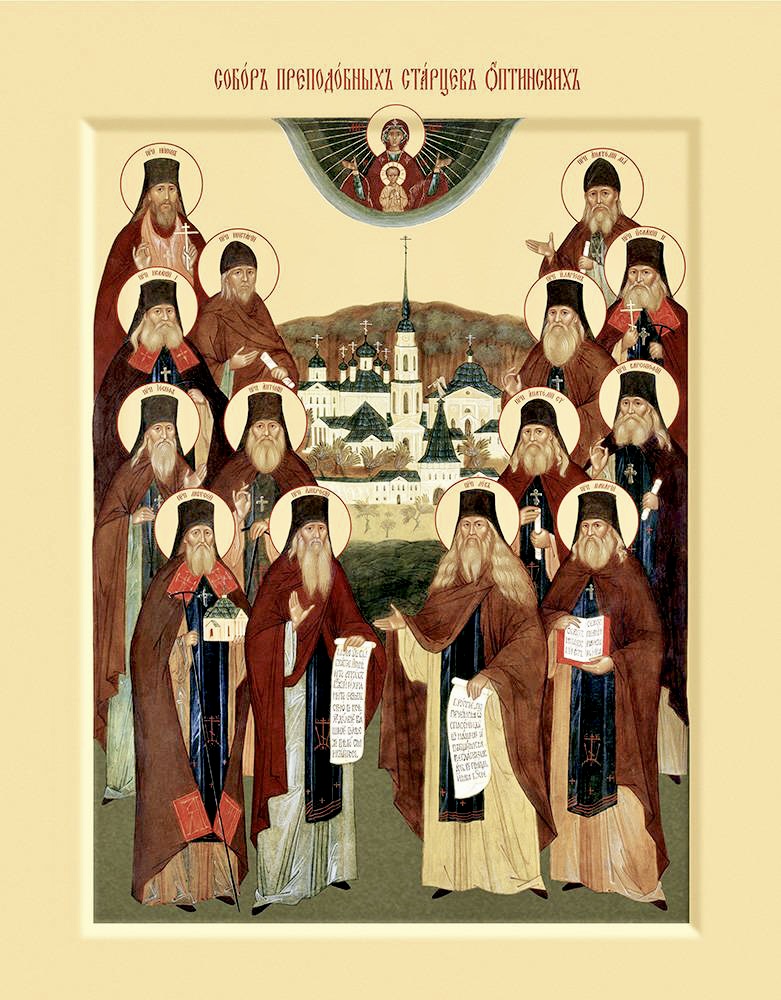 Canon of the Venerable Fathers, Tone VIII
 Dear brothers and sisters,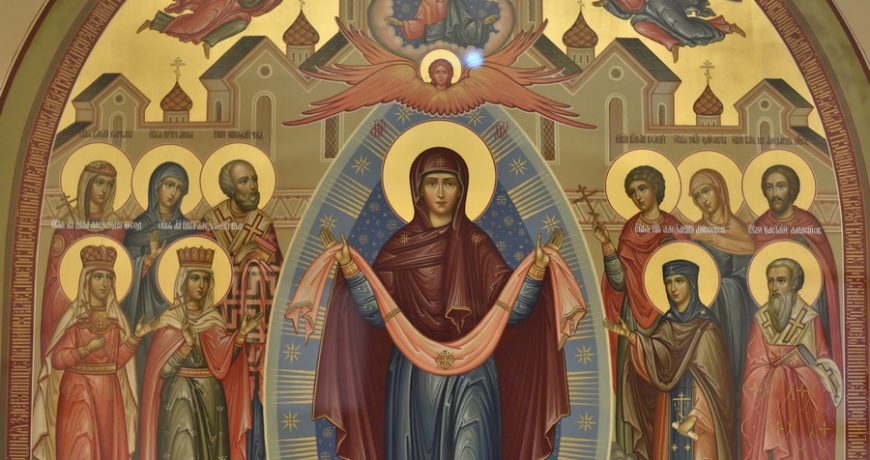

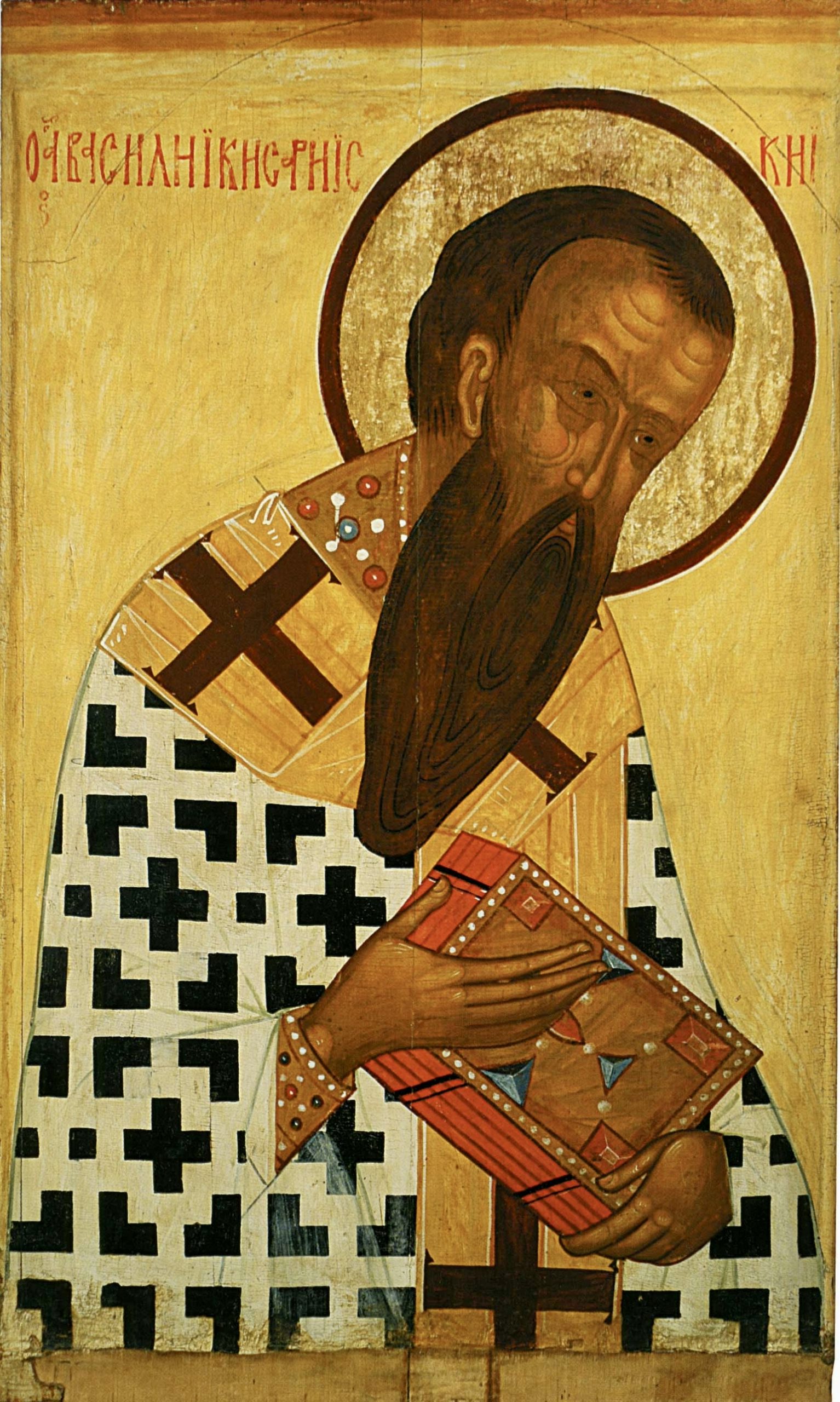 Dear brothers and sisters, having discussed book club with parishioners today, and the idea of it moving to Lazarus and Liz’s flat, I suggested that as parishioners are reading “On Christian Doctrine and Practice”, by St Basil the Great, it would be good to pray the canon to the great Cappadocian father at the beginning of each meeting.
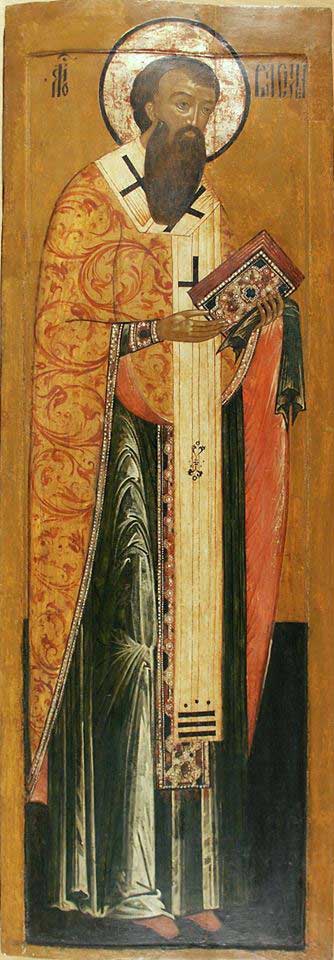 Ode V, Irmos: O Lord, Bestower of light and Creator of the ages: guide us in the light of Thy commandments, for we know none other God than Thee.
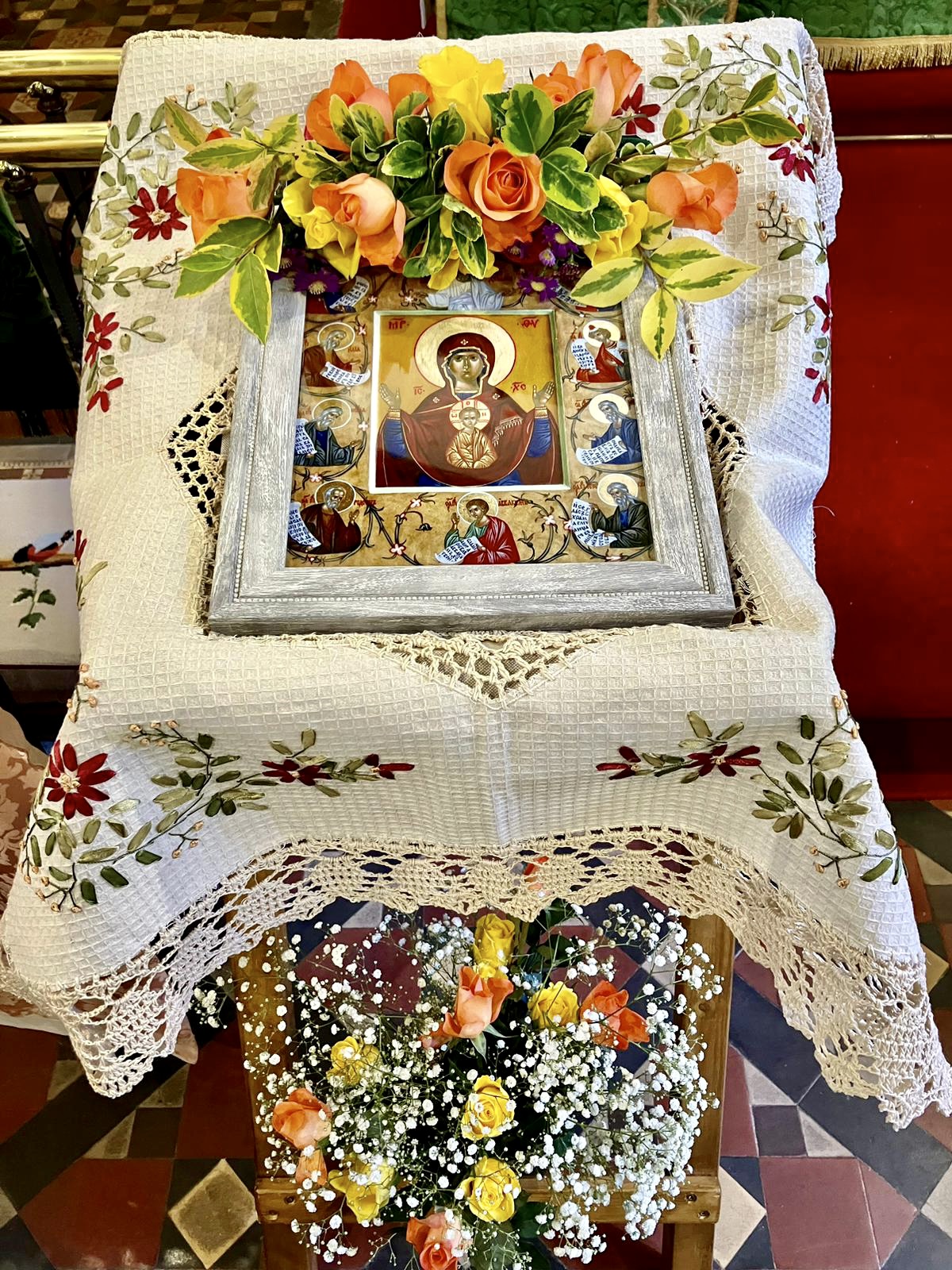 Dear brothers and sisters,
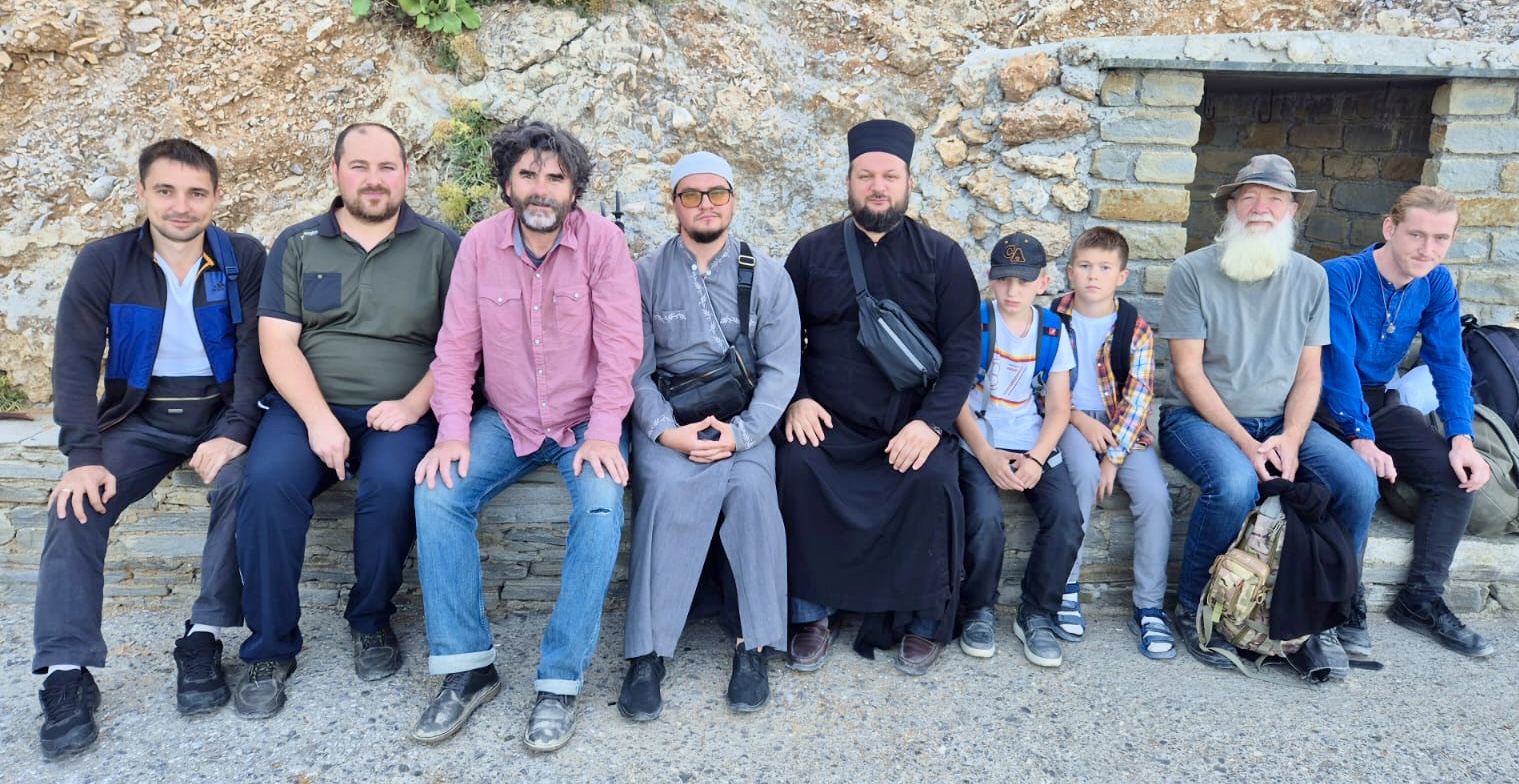 Dear brothers and sisters, a blessed and joyful feast of the Hawaiian-Iveron Icon of the Mother of God.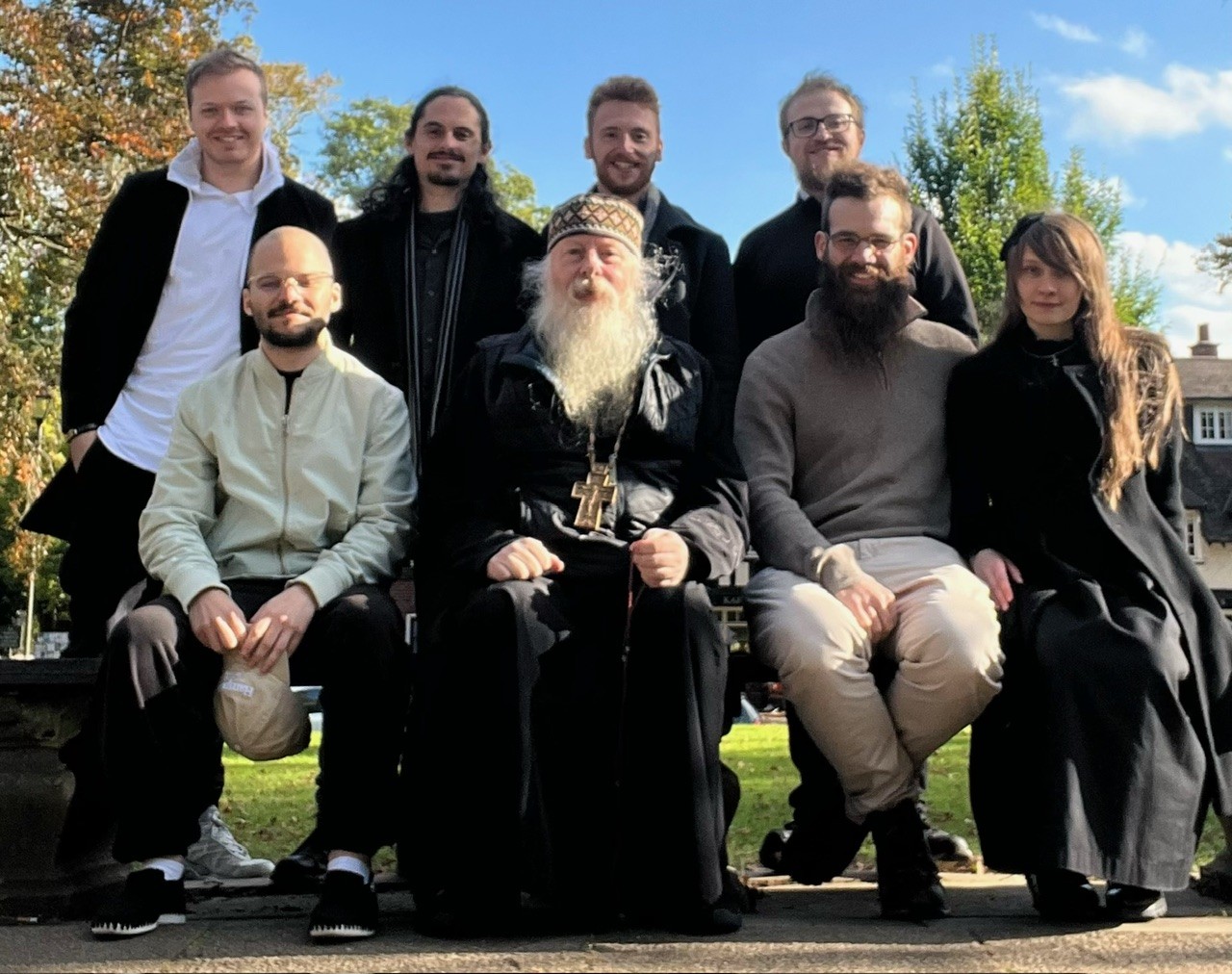
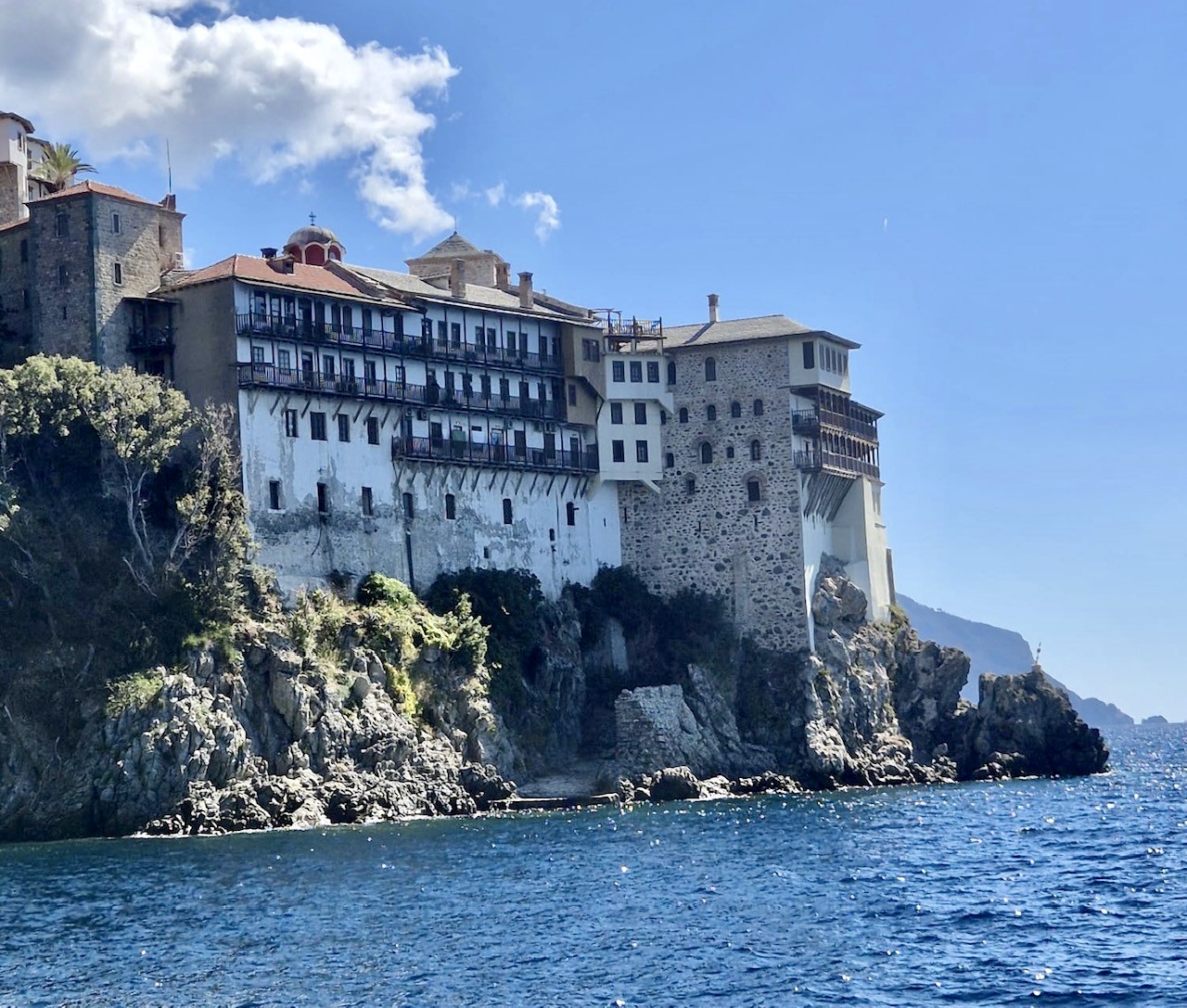
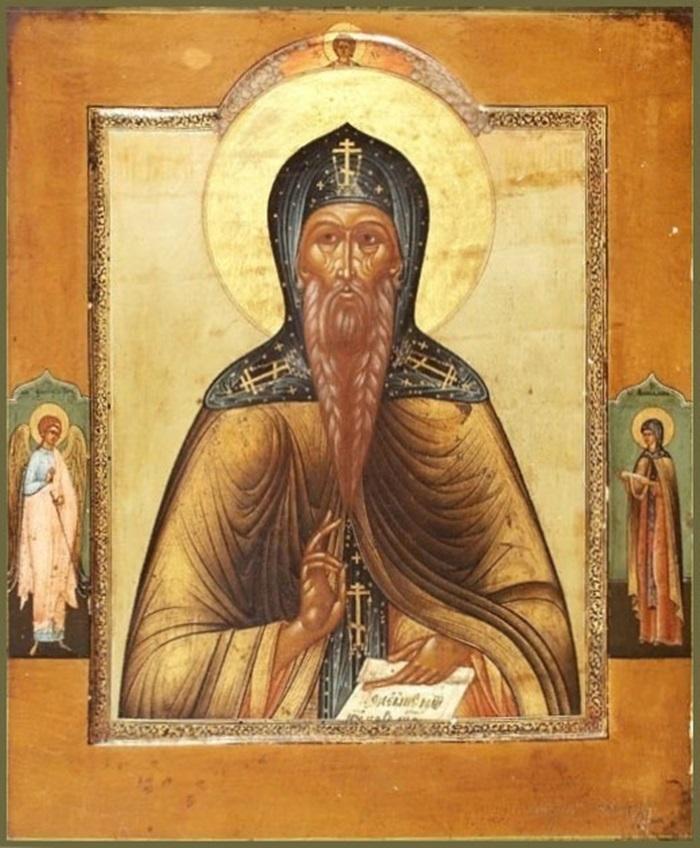
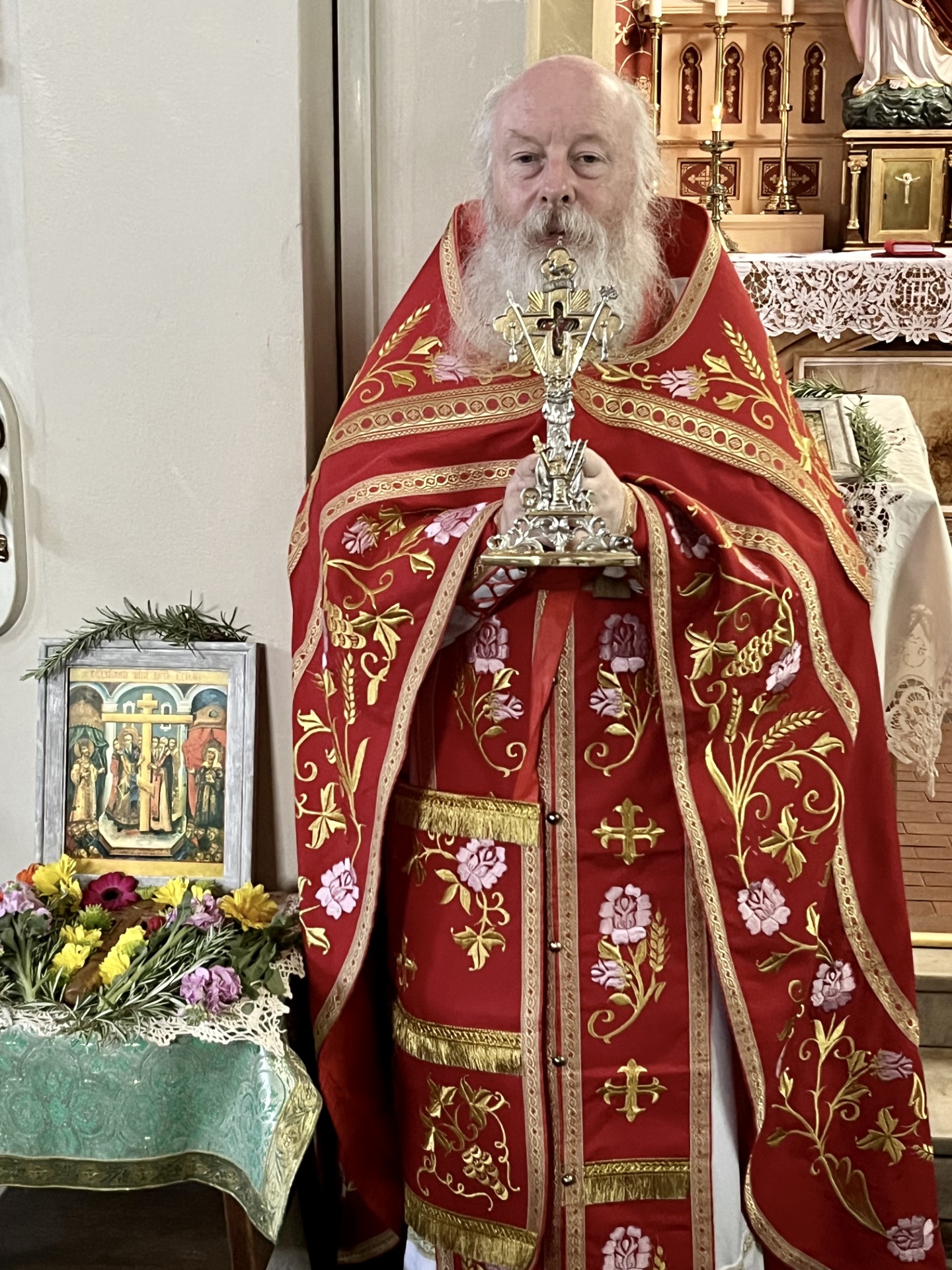 Dear brothers and sisters,
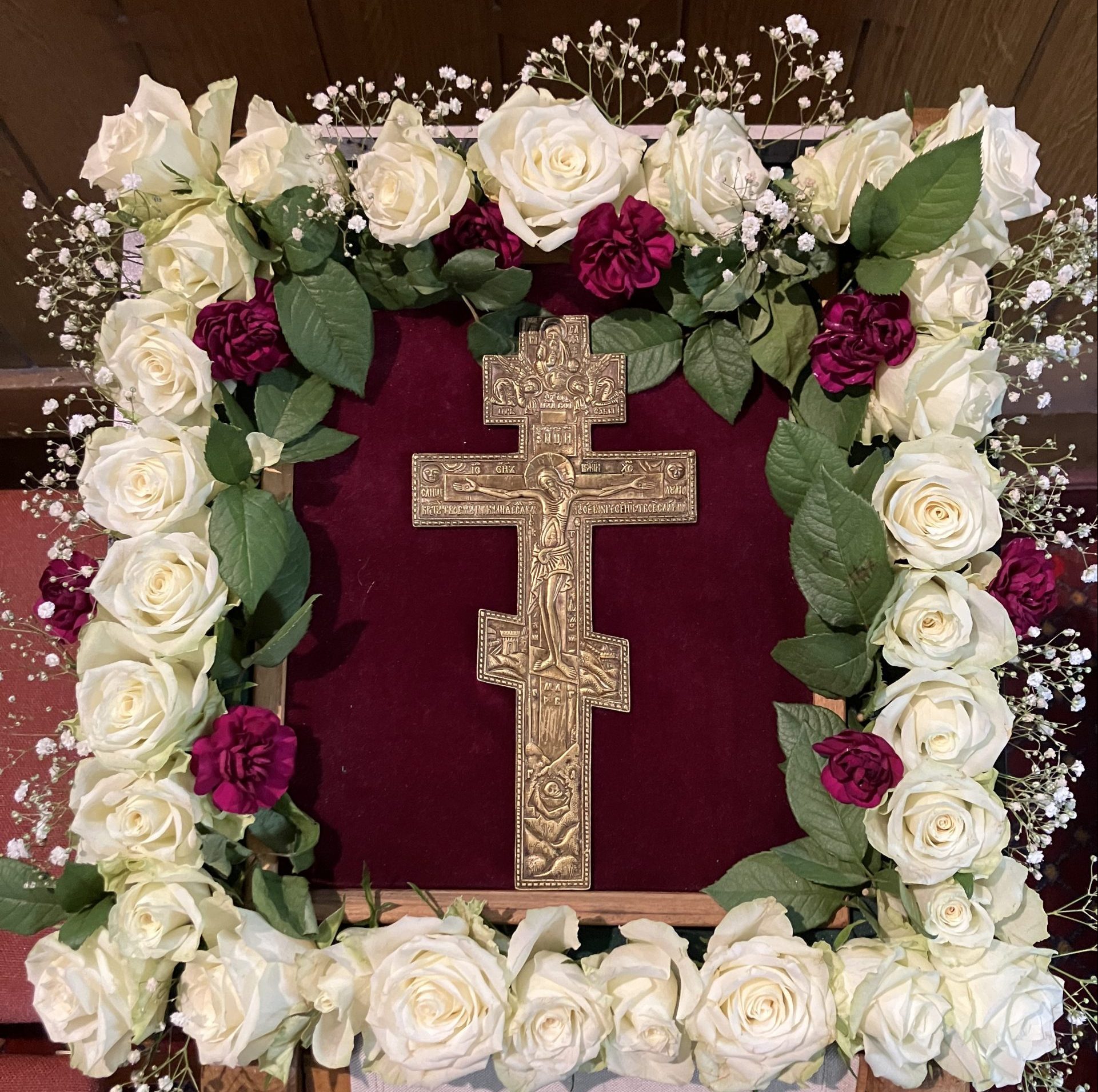 Dear brothers and sisters,
  In the Name of the Father, and of the Son, and of the Holy Spirit.
 In His Divine Humility and sacrificial, self-effacing love, God’s salvific plan – of which the serpent was warned – required both sonship and motherhood: a Divine-Human birth in the fulness (not simply the appearance) of human nature and existence; a Saviour born in the flesh as the New Adam, and from the womb of the New Eve.